
The legal and moral debate over baby saver boxes
The three-day hearing examined whether baby saver boxes protect children or violate the Children’s Act.
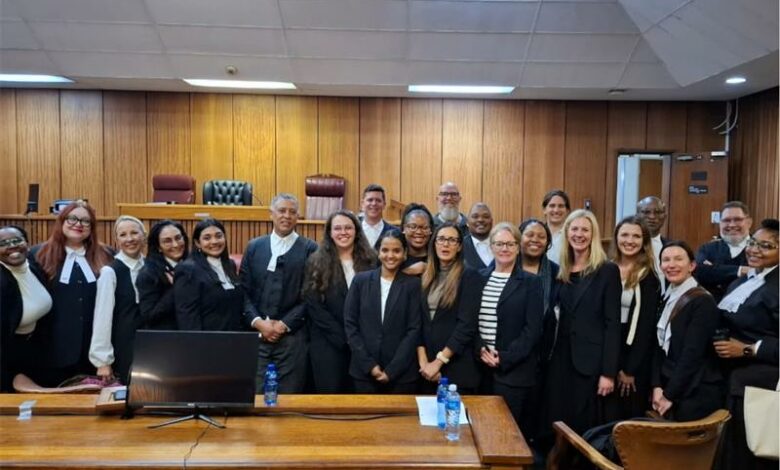
The Department of Social Development (DSD) and Baby Savers South Africa are at the centre of a major legal dispute over the use of baby saver boxes at safe havens where infants can be anonymously relinquished.
The DSD, which oversees the Children’s Act of 2005, maintains that anonymous relinquishment is illegal and not recognised under South African law.
The department argues that the Children’s Act does not allow infants to be surrendered anonymously and has approached the courts in an effort to halt the practice.
Baby Savers South Africa, however, argues that the boxes provide a life-saving alternative for desperate mothers and vulnerable infants. The organisation, a coalition of safe surrender sites and community-based child protection networks, says it has become an essential part of South Africa’s child protection system.
The movement operates a network of Baby Saver Boxes across the country, offering urgent and non-judgemental care to infants and mothers in crisis, particularly where state services are unavailable or inaccessible.
Landmark case heard in Pretoria High Court
According to a press statement released on May 4 by the Centre for Human Rights (CHR) and Lawyers for Human Rights (LHR), the Gauteng High Court in Pretoria heard arguments in the matter from May 5 to 7.
The case centred on whether South African law wrongly equates the safe relinquishment of infants through baby saver mechanisms with child abandonment, which is considered an offence under the Children’s Act.
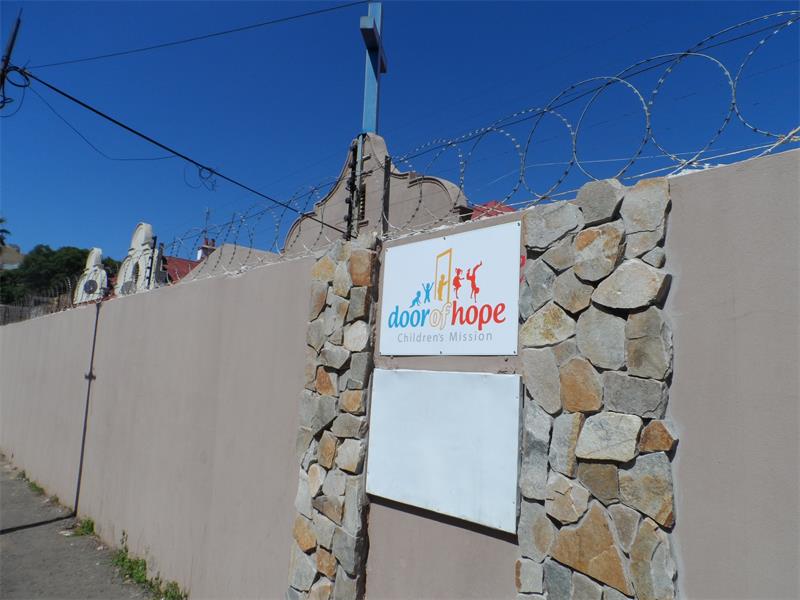
Baby Savers South Africa NPO and Door of Hope Children’s Mission NPO brought the application before the court. The organisations are seeking relief that would protect providers of baby saver boxes from accomplice liability linked to abandonment charges.
The Centre for Human Rights, represented by Lawyers for Human Rights, participated in the matter as amicus curiae, or friend of the court.
CHR and LHR argued that the law should clearly distinguish between unsafe abandonment and the safe placement of infants.
“To treat these acts as identical is not only irrational but also potentially produces harmful consequences,” the organisations stated.
Deborah Raduba from the Centre for Human Rights said the matter raises serious constitutional and moral questions about the purpose of the law.
“This case asks a fundamental question about the purpose of our law. Where a caregiver takes steps to ensure a child’s safety, the law should recognise that act for what it is,” she said.
“Protecting life cannot be treated as a crime. If the law fails to draw that distinction, it risks punishing vulnerability instead of protecting children.”
The organisations argued that safe relinquishment mechanisms are often used during moments of desperation and crisis. In such situations, they said, access to a safe alternative may mean the difference between life and death for a newborn child.
They warned that criminalising the practice could deter vulnerable mothers from seeking help.
“Where caregivers fear arrest or prosecution, they may resort to unsafe options that put infants’ lives in danger,” the statement said.
Gender equality and human rights concerns raised
The case also highlighted concerns around gender equality and the burden carried by women facing crisis pregnancies.
Although the law may appear neutral, CHR and LHR argued that the realities of pregnancy, childbirth, caregiving and social stigma disproportionately affect women, especially those trapped in poverty and violence.
The organisations said women are often left to face impossible decisions alone and are most likely to face prosecution in such cases.
The legal teams further raised the principle of fair labelling in criminal law, arguing that different forms of conduct should not be grouped under the same criminal offence.
According to CHR and LHR, abandonment and safe relinquishment are ‘morally and objectively distinct’.
“One act endangers life, the other seeks to preserve it,” the organisations argued.
They added that treating both acts as abandonment unfairly attaches stigma and blame to women and caregivers who attempt to secure rescue and care for infants.
The organisations stressed that the case is not about supporting unsafe child abandonment.
“Unsafe abandonment remains a serious harm that must be prevented and addressed,” they said.
“The issue before the court is whether the law can recognise the difference between conduct that places a child at risk and conduct aimed at securing rescue, care and survival.”
Three-day emotional court proceedings
Baby Savers SA co-founder Nadene Grabham provided details of the three-day hearing, describing emotional arguments and intense questioning from the bench.
On the first day, legal counsel focused on Section 305 of the Children’s Act and argued that placing a baby in a saver box should not automatically amount to abandonment.
The legality of a directive used to refuse the re-registration of Door of Hope was also challenged during proceedings.
Arguments were presented balancing a child’s right to know their origins against the constitutional right to life.
The day ended with advocates presenting real-life accounts of women and children affected by abandonment and crisis pregnancies.
According to Grabham, the judges’ questions suggested a compassionate understanding of the role baby saver boxes play in preserving life.
Day 2: DSD challenged
The emotional impact of the matter became more apparent on the second day of proceedings.
One judge reportedly told the court she had struggled to sleep because all she could see were abandoned babies lying in ditches.
The comment reflected the seriousness of the issue before the court and the human realities surrounding infant abandonment.
Arguments from the Centre for Child Law, the Women’s Legal Centre and other amici focused on constitutional rights, human dignity, fair labelling and the best interests of children.
During proceedings, the court raised a significant constitutional question.
“If a woman has the constitutional right to choose abortion, why should she not also have the right to choose life through safe relinquishment?” the court asked.
Judges also questioned why no legislative action had been taken despite concerns around infant abandonment being raised years earlier.
The Department of Social Development was challenged on how it intended to protect a child’s right to life if safe relinquishment options were removed.
Day 3: Shortcomings of child protection system
On the third day, the DSD argued that the matter should be addressed by Parliament rather than the courts.
Despite this, the judges repeatedly returned to the issue of preserving children’s lives.
The court questioned whether a baby safely placed in a saver box could truly be considered abandoned if there was no danger to the child.
One judge remarked that if even one life is saved through a baby saver box, “we should say thank you”.
The judges also acknowledged shortcomings within the current child protection system and stressed that family reunification could not come at the expense of a child’s safety.
Closing arguments focused on the constitutional duty of the courts to protect vulnerable children.
“The Constitution gives the courts a mandate not to let children die,” counsel argued.
Judgment reserved as registration extended
Judgment in the matter has now been reserved, with no indication yet of when the court is expected to deliver its ruling.
Baby Savers South Africa confirmed that the court order allowing the organisation to continue operating has been extended pending the final outcome of the main application.
According to the organisation, the broader case could take several years to conclude. Until then, Baby Savers SA remains deemed registered while awaiting the court’s final decision.