Gauteng rolls out twice-yearly HIV prevention injection
The Gauteng Department of Health has launched the phased rollout of Lenacapavir, a long-acting HIV prevention injection that provides eligible individuals with protection against HIV through just two injections a year.

The Gauteng Department of Health started the phased rollout of Lenacapavir (LEN), a ground-breaking long-acting HIV prevention medicine that offers eligible individuals protection against HIV infection through a twice-yearly injection.
The rollout, on June 8, forms part of a nationwide initiative led by the National Department of Health and announced by President Cyril Ramaphosa to expand HIV prevention options and accelerate progress towards ending AIDS as a public health threat by 2030.
As the country’s most populous province and one of the regions carrying a significant HIV burden, Gauteng has been identified as a key implementation site for the first phase of the programme.
The province will introduce LEN at 133 facilities across Johannesburg, Tshwane, Ekurhuleni, Sedibeng and the West Rand, targeting populations at high risk of HIV infection.
LEN is a long-acting injectable form of pre-exposure prophylaxis (PrEP) that offers HIV-negative individuals at substantial risk of HIV acquisition an additional prevention choice, complementing existing HIV prevention methods, including oral PrEP, HIV testing services, condoms, voluntary medical male circumcision, and post-exposure prophylaxis.
Administered once every six months, it offers an important additional prevention option for people who may experience challenges with daily oral HIV prevention medication.
Gauteng has been allocated sufficient LEN stock to initiate 56 079 eligible clients between June 8 and March 31 next year across the province. The department has already received its initial allocation to initiate 18 809 individuals.
Distribution to districts commenced on May 24 and has enabled facilities to prepare for implementation ahead of the official rollout on June 8. Additional stock will be supplied quarterly to ensure continuity of the programme and access to services.
Healthcare workers trained for implementation
To prepare for implementation, the department has trained healthcare workers, pharmacists, programme managers and data personnel, established monitoring and reporting systems, and distributed clinical guidelines to support safe and effective implementation of the programme.
Phase one of the rollout will prioritise adolescent girls and young women, adolescent boys and young men, key populations including sex workers, men who have sex with men, transgender persons and people who inject drugs, as well as pregnant and breastfeeding women who remain vulnerable to HIV infection.
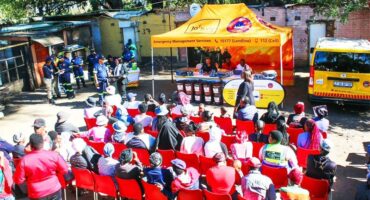
In an effort to increase public understanding of LEN and to enable eligible individuals to access HIV prevention services, the department will support the rollout through facility activations, community dialogues, media engagements, radio campaigns, peer educator programmes and social media awareness initiatives.
For accurate information, the department encourages communities to seek information from healthcare workers and trusted sources.
The department reminds the public that LEN forms part of a comprehensive package of HIV prevention interventions and does not replace HIV testing, condom use, STI prevention and treatment, voluntary medical male circumcision, or treatment services for people living with HIV.
Members of the public who believe they may benefit from HIV prevention services are encouraged to visit participating healthcare facilities for information, HIV testing and screening for eligibility.