Future doctors attend workshop to witness life-saving technology in action
A new generation of medical students got a front-row seat to the future of transplantation, at a hands-on workshop that demonstrated how machine perfusion could transform South Africa’s organ donation landscape.
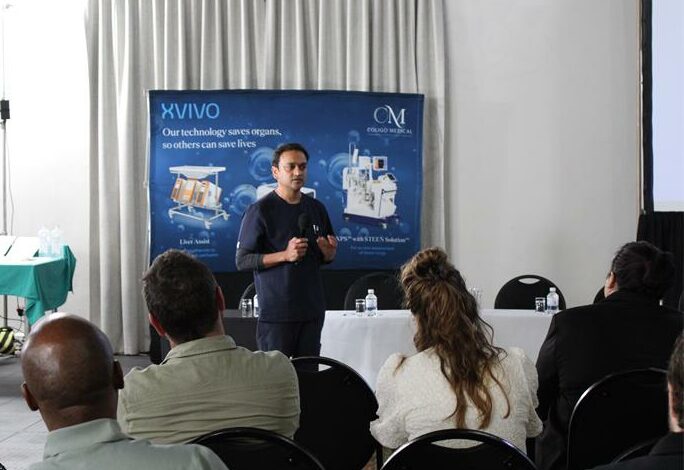
For most medical students, the idea of seeing a heart, lung, or any other organ kept alive outside the human body sounds like something from a science fiction film, but, at a recent medical workshop in Fourways, it became real.
At the Indaba Hotel on October 23, students, surgeons, and transplant specialists gathered to explore a new machine perfusion, a breakthrough technology that can keep donor organs viable for hours, even days, after removal.
The session, hosted by Coligo Medical and facilitated by surgeon Sharan Rambarran, from Wits Donald Gordon Medical Centre, combined theory with live demonstrations, allowing participants to watch as specialists connected organs to perfusion systems that circulate oxygen and nutrients, essentially mimicking the human body.
Read more: Gauteng Education Department and police drive campaign for safer SA schools
For Sachen Naidu, a medical student from Wits University, it was an unforgettable experience. “The practical part of the workshops was quite interesting. Watching the surgeons insert the cannulas into the heart’s left atrium and pulmonary artery was fascinating. I’d never seen a bypass done before, and that’s essentially what it was.”

He said the demonstration opened his eyes to the complexity behind what might seem like simple procedures. “You don’t realise how intricate the setup of the machine is until you see it. Just understanding how the settings work, especially with the lungs, showed me how much knowledge and care it takes to keep an organ alive and functioning.”
Robyn Lategan, managing director of Coligo Medical, said part of the goal was to expose young doctors to technologies that are already changing transplant outcomes globally. “Machine perfusion allows medical teams to preserve, assess, and optimise organs before transplantation. That means more organs can be used, and more lives can be saved.”
Also read: City launches the first 40 Smart Card Trading Permit System to formalise trading.
Lategan’s own journey with the technology began years ago in Boston, where she first encountered it during her postgraduate studies. She later founded Coligo Medical and helped bring the first organ perfusion machine to Africa, installed at Groote Schuur Hospital in Cape Town.
South Africa faces a persistent shortage of donor organs, with many viable ones lost simply because they deteriorate too quickly. Machine perfusion could change that. By restoring the function of marginal organs, it makes more of them suitable for transplantation.
For students, like Naidu, seeing that potential up close is more than a science lesson; it’s motivation. “It was eye-opening. You really gain appreciation for the level of detail and knowledge that goes into making sure those organs are ready for someone who needs them.
It’s not simple, but it’s amazing to see what’s possible.”
Follow us on our Whatsapp channel, Facebook, X, Instagram and TikTok for the latest updates!