Township-property mix-up leads to municipal debt
The City of Mbombela's inability to transfer property ownership to people in several rural areas has cost taxpayers R3,6 million.

MBOMBELA – The municipality requested that council consider writing off more than R10 million of what it deemed “irrecoverable debt” during a special sitting on June 28.
The report noted that “data cleansing of the billing system to improve the credibility of the municipality’s billing database” was required.

DA councillor, Kleinste Janse van Rensburg pointed out that people’s lack of title deeds contributed to incorrect billing, which caused the irrecoverable debt.
She added that it prevented people from entering the economy of the country by opening their own businesses and inviting investment into those areas.
“In this process, there are areas that were identified with accounts that were incorrectly billed, and that will need to be removed or written off from the debtor’s book,” the report read. These areas include Daantjie, Dwaleni, Matsulu C, Mpakeni, Msogwaba, Luphisis, Teka Takho and the Kruger National Park (KNP).

Janse van Rensburg was particularly concerned about the number of properties in Daantjie, Luphisi, Msogwaba, Mpakeni and Teka Takho which are still held under the township title registered in the name of the municipality, even though she said the title deeds were issued to the former Mbombela
Local Municipality by the deeds office between 2000 and 2002.
Only about 50 per cent of the people came to sign for the title deeds, but why did government stop the process of transferring land to the people? Pre-democracy, the land used to register in the name of the state. It should now belong to the people who live in those areas,” she explained.

“Without a title deed document, residents will find it hard to go to the bank to take out a responsible loan. If they fail to pay it back, they will lose their title deed. That is how you grow an economy.”
For a long period of time, property owners enjoyed 100 per cent property rates rebates due to the state formalisation of these areas. According to Janse van Rensburg, who was involved in the process of handing over of 3 500 title deeds between 2000 and 2002, she recalled there was a 15-year moratorium on rates and taxes for those properties, due to the low value of the properties.
It appears that the more than R3 million recorded on the municipal debtor’s book is because the municipality billed itself for the properties in its name.
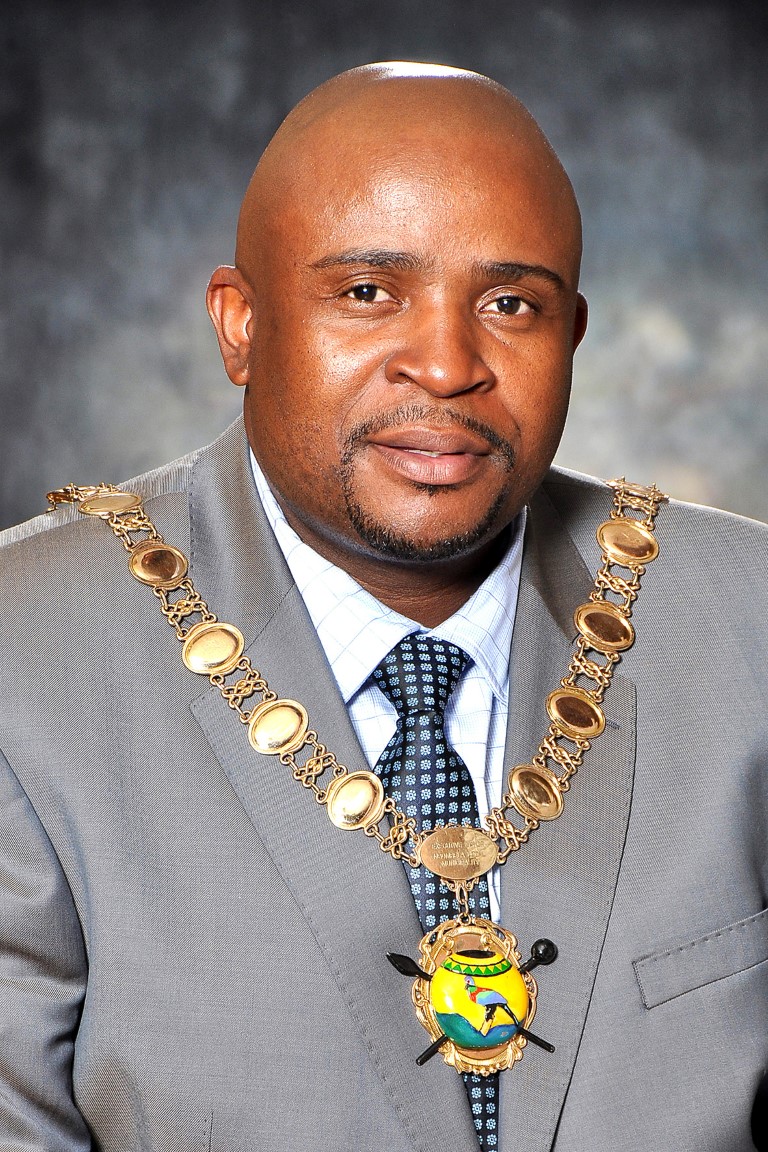
Executive mayor, Cllr Sibusiso Mathonsi, said if it “kept debt in (its) books, (it would) spend money servicing the debt”.
Opposition parties took no issue with the almost R4 million irrecoverable debt due to the initial general plan for Matsulu C being replaced with a new one.
The report said all the new stand numbers were registered in the name of the municipality, and because the transfer of these stands to the rightful owners was delayed, the billing database could not be timeously updated to ensure the correct billing. Property rates were billed to the new
stand numbers and refuse-removal charges to the old stand numbers.
DA leader in council, Steve Schormann questioned why lodges in the KNP were not being charged property rates and taxes. The report said three lodges were incorrectly included in the billing system as there was a challenge on land alienation within the park. The incorrect billing amounted to
R3 534 978,47.

Municipal spokesman, Joseph Ngala referred Lowvelder to a letter from SANParks’ chief financial officer, Rajesh Mahabeer, who wrote to Bushbuckridge Local Municipality about the same matter. He placed on record that no services were provided in the KNP by the municipality.
“The park is isolated from the municipality and is self-sufficient, providing the required services to both visitors and staff members residing within the (park).”