
Infographic: To wear or not to wear? The Covid-19 mask quandary unpacked
One of the underlying reasons given for wearing masks is that people are contagious before showing symptoms.
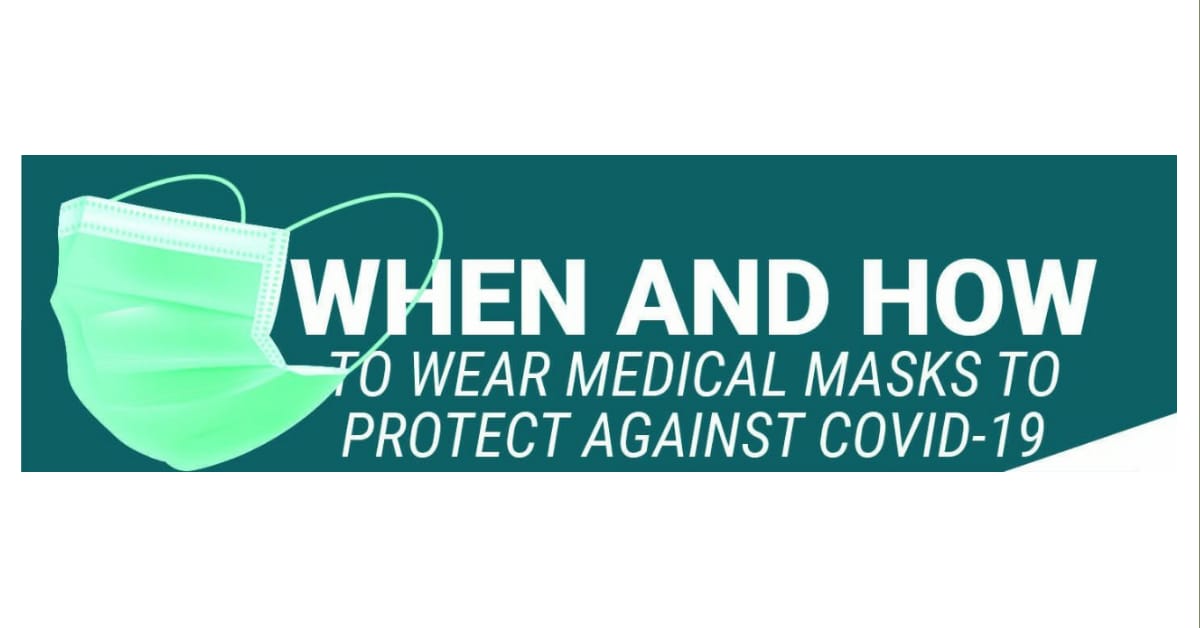
While physical distancing, remaining at home and sanitising hands are almost universally-agreed upon measures to prevent the spread of Covid-19, the issue of wearing a mask to prevent the spread remains a contentious one with messages differing from country to country.
In South Africa, however, Minister of Health, Dr Zweli Mkhize, has clarified the issue for South Africans, stating recently that the public is encouraged to wear masks. Mkhize said: “There is no question that masks are actually the best way of preventing the spread of infection.”
He said in circumstances where people are coughing or showing any signs of illness and physical distancing is difficult, then masks should be used if possible. With regards to Covid-19, he said it was a ‘droplet’ infection transferred by sneezing and coughing, and while not an airborne infection, masks were still encouraged.
In the United States of America, the message to the public in February discouraged the buying of masks – potentially to prevent a shortage for healthcare workers – while South Korea and Japan distributed them to the public.
The Czech Republic has been vocal about the issue, distributing a video online on ‘How to Significantly Slow Coronavirus’ and the impact mask-wearing has made in this regard. According to Worldometer, as of 1 April 2020, the Czech Republic (or Czechia) had 3 508 cases of Covid-19 with a total of 39 deaths since 29 February – significantly lower than countries exposed to the virus around the same time.
The video clarifies that anyone who leaves the home has to wear a face mask, because “even home-made masks are partially protective”. One of the underlying reasons given for wearing masks is that people are contagious before showing symptoms, so they are able to spread the virus unwittingly. Through their #masks4all social media movement, they are encouraging the use of masks on a global scale.
However, while the World Health Organisation (WHO) encourages the use of masks by healthcare workers, caretakers or people who are sick, they state there is no evidence masks will protect those who are not sick.
They’ve outlined specifications as to when and how masks should be used during the pandemic, stating a mask must be worn:

According to WHO, masks are only effective when used in combination with frequent hand-cleaning using alcohol-based hand rub or soap and water. Masks are also only effective if worn and disposed of properly.

For more information, the South African Coronavirus hotline number is 0800 029 999, operational from 08:00-16:00 Monday to Friday. Alternatively, send ‘HI’ to 0600 123 456 on WhatsApp.
* Notice: Coronavirus reporting at Caxton Local Media aims to combat fake news
Dear reader,
As your local news provider, we have the duty of keeping you factually informed on Covid-19 developments. As you may have noticed, mis- and disinformation (also known as “fake news”) is circulating online. Caxton Local Media is determined to filter through the masses of information doing the rounds and to separate truth from untruth in order to keep you adequately informed. Local newsrooms follow a strict pre-publication fact-checking protocol. A national task team has been established to assist in bringing you credible news reports on Covid-19.
Readers with any comments or queries may contact National Group Editor Irma Green (irma@caxton.co.za) or Legal Adviser Helene Eloff (helene@caxton.co.za).
Read original story on reviewonline.co.za

