How to prevent water pollution from home
10 tips on how to prevent water pollution and to clean up water from your home.
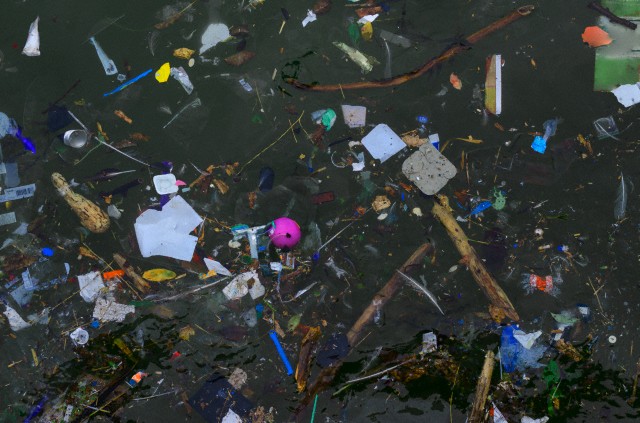
Water is an essential natural resource which affects our daily lives and should be kept clean and free from pollution. We should, therefore, be aware that every day household activities could make a significant contribution to water pollution.
When it rains, for example, fertilizer from lawns, oil from driveways, paint and solvent residues from walls and decks and even pet waste are all washed into storm sewers or nearby lakes, dams and rivers.
We rely on these same rivers, dams and lakes for drinking water supply.
Below are tips from the Natural Resources Defense Council, an international environmental advocacy group, on how we can do our part to keep water clean and safe from pollution.
In your yard
1. Decrease water-resistant surfaces around your home – Having fewer hard surfaces of concrete and asphalt will reduce runoff from your property. Landscape with vegetation, gravel or other porous materials. Redirect rain gutters and downspouts away from buildings and to rain barrels and gardens, soil, grass or gravel areas.
2. Use indigenous plants and natural fertilizers – Indigenous plants need less water and are more tolerant of drought conditions which cost less to maintain. Apply natural fertilizers and soil conditioners such as compost to stimulate plant growth and retain soil moisture.
3. Don’t over-water lawns and gardens – Prevent over-spray onto sidewalks, driveways and street curbing. Know how much water your lawn is getting by using a rain gauge to track precipitation and match the amount of water you apply to the actual needs of your variety of turf.
In your home
4. Recycle and dispose of all trash properly – Never flush non-degradable products such as disposable nappies and plastic tampon applicators down the toilet. They can damage the sewage treatment process and end up littering beaches and waters. Make sure to properly dispose of all pet waste from your property to keep it out of storm drains and water supplies.
5. Correctly dispose of hazardous household products – Keep paints, used oil, cleaning solvents, polishes, pool chemicals, insecticides, and other hazardous household chemicals out of drains, sinks and toilets. Many of these products contain harmful substances which can end up in nearby water bodies.
6. Use non-toxic household products whenever possible – Discarding harmful products correctly is important but not buying them in the first place is even better.
Maintaining your car
7. Recycle used motor oil – Don’t pour waste oil into gutters or down storm drains and resist the temptation to dump wastes onto the ground. A single quart of motor oil that seeps into the groundwater can pollute 250 000 gallons of drinking water.
8. Be ‘green’ when washing your car – Skip the home carwash and take your car to a professional carwash as they are required to drain their wastewater into sewer systems. Many car washes also recycle their wastewater and use less than half the amount of water of a home carwash.
In your community
9. Help identify, report and stop polluters – Join a local clean water or environment group that monitors industries and sewage treatment plants that are discharging waste. Local groups can be effective when they work with state environment agencies.
10. Be an activist – Educate yourself about water issues in your community. Find out where and how decisions are made about investments in projects and programs to protect your water and the rates and charges you pay for water and water services.
For free breaking and community news, visit Rekord’s websites:
Also visit our Facebook and Twitter pages.
Read: Tips on saving water at home