Highlighting fungul awareness week
Fungal diseases are responsible for 1.5 to 2 million deaths every year.
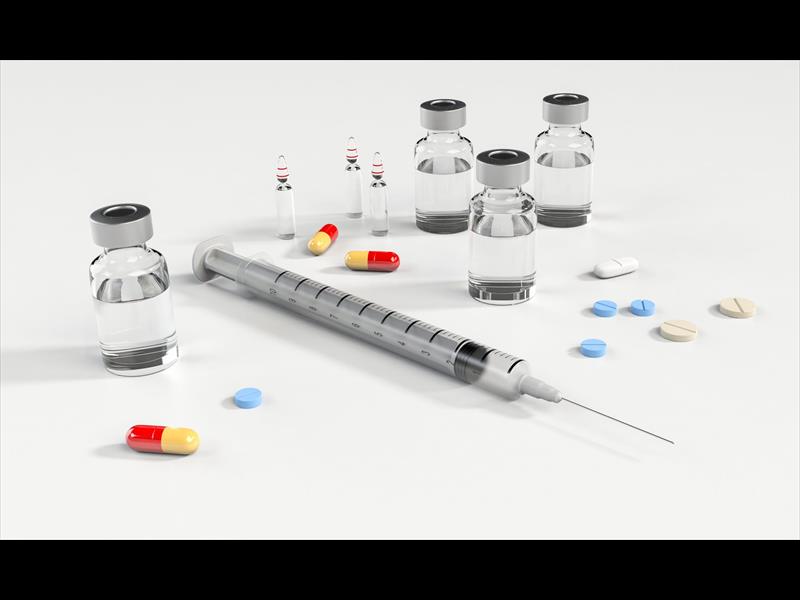
This week was dedicated to raising awareness about fungal diseases.
Common fungal diseases include oral or vaginal thrush, nappy rash, fungal nail infections, skin ringworm and athlete’s foot.
According to the National Institute for Communicable Diseases (NICD), fungal diseases are responsible for 1.5 to 2 million deaths every year.
“This number includes nearly half of those dying with AIDS and many of those dying of sepsis. Antifungal resistance is now having a material impact on treatment outcomes – more people are dying because they are infected with fungi that are resistant to first-line or even second-line of antifungal treatment. Over the last 10 years, a multi-drug resistant fungus called Candida Auris has spread across the world and caused large outbreaks in hospitals,” NICD said.
Fungal Disease Awareness Week runs from 1–5 to October.
In South Africa, cases of Candida Auris have been recorded at almost 100 hospitals.
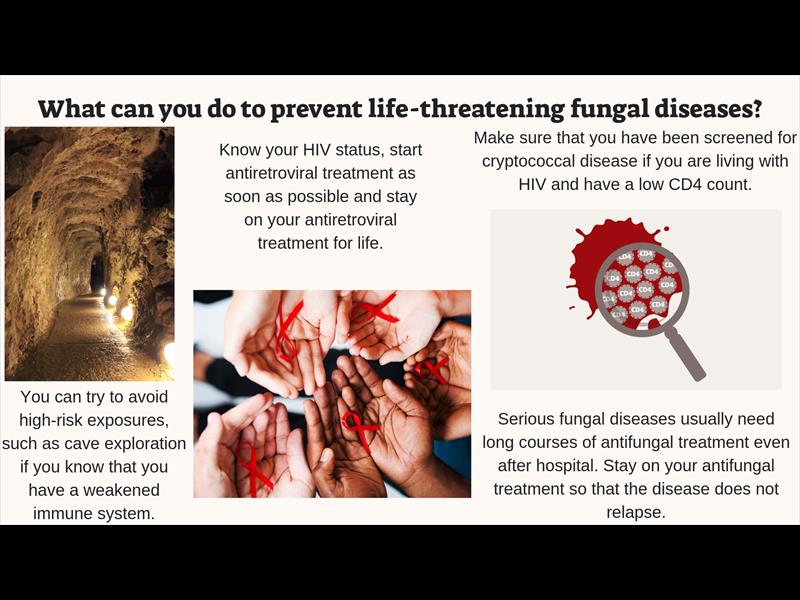
Those at risk of getting serious fungal diseases are people living with HIV/ AIDS, Chronic obstructive pulmonary disease or asthma, cancer, people on dialysis for failing kidneys as well as people who have had a bone marrow or organ transplant.
People who are critically ill after trauma or surgery and need intensive care and newborn babies who are born prematurely and need intensive care are also at risk.
NICD said government and researchers are playing their role in preventing the life-threatening fungal diseases.
“The Department of Health provides guidance to healthcare workers on how to diagnose and treat people with serious fungal diseases. The NICD monitors certain serious fungal diseases, including cryptococcal meningitis and fungal infections that are diagnosed in hospitals and provides technical assistance for outbreaks.”
Researchers are also testing vaccines, new antifungal medicines or combinations of medicines in clinical trials.
Do you have more information about the story? Please send us an email to editorial@rekord.co.za or phone us on 083 625 4114.
For free breaking and community news, visit Rekord’s websites:
For more news and interesting articles, like Rekord on Facebook, follow us on Twitter or Instagram