Helderkruin woman with end-stage kidney failure appeals for transport lifeline
Nicolette Janse van Rensburg needs help securing transport to dialysis after serious engine problems threaten her only remaining vehicle.
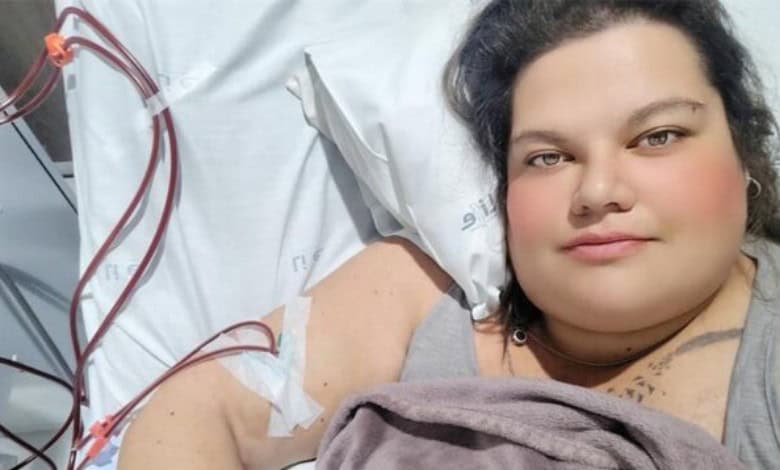
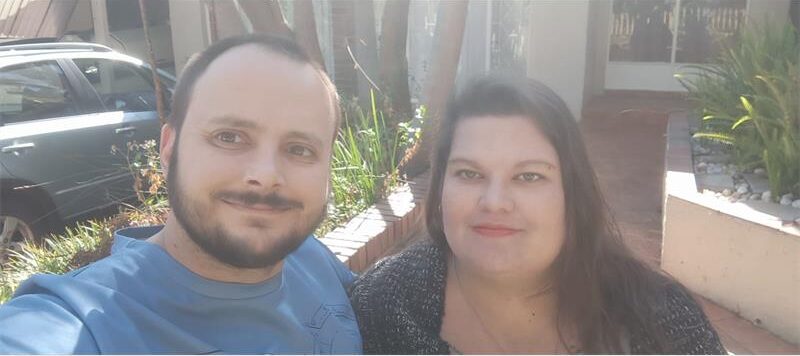
Nicolette Janse van Rensburg (34) is appealing to the community for help to secure a reliable second-hand vehicle after engine failure left her without guaranteed transport to life-saving dialysis.
Now, with the possibility of losing their only remaining car, Nicolette and her fiancé, Wiehann Verreynne, are appealing to the community for help.
A lifelong battle with kidney disease
Nicolette’s kidney problems began when she was 15.
“I was diagnosed with Focal Segmental Glomerulosclerosis (FSGS) at 19. Over the years, I was treated with a variety of medications in an effort to preserve my kidney function, including years of cortisone and Sepresta. I was also given two experimental medications during this time,” she explained.
Eventually, her kidneys reached end-stage failure, and she had to begin dialysis.
Her journey has been anything but straightforward.
In the past three years alone, Nicolette has undergone 18 procedures relating to her dialysis access – six involving one arm, eight involving the other and another four related to a Permcath in her chest.
She also developed Superior Vena Cava (SVC) Syndrome as a result of complications involving her Permcath, requiring further procedures to maintain blood flow.
“It feels like my body is constantly fighting against me. Just when I recover from one procedure, there is another medical challenge waiting,” she said.
Fifteen hours a week to stay alive
Nicolette undergoes dialysis three times a week, with each session lasting roughly five hours because she requires longer treatment due to poor clearance. The physical toll is significant.
She often feels exhausted and weak after treatment and can struggle with balance. Fibromyalgia and other health problems add to the pain and fatigue.
Her week revolves around dialysis, recovery and trying to regain enough strength before the next session.
“Sometimes it honestly feels like I am living three weeks inside one week,” she said.
Yet she sees each session as part of her fight to stay alive.
“Those five hours are five hours of my life that I give to dialysis so that I can have the rest of my life.”
Reliable transport is not a luxury, but a lifeline
That fight is now being complicated by the condition of the couple’s only remaining car.
The car has developed serious engine problems and is almost at the stage where it can no longer be driven.
For Nicolette, the consequences go far beyond being inconvenienced.
“The car gets me to dialysis, doctors’ appointments and medical care. It also allows me to collect medication and attend to basic daily needs. Most importantly, it enables Wiehann to get to work,” said Nicolette.
One income, mounting expenses
Nicolette is currently unable to work because of her health and the demands of dialysis, despite desperately wishing she could.
Wiehann is a qualified motor vehicle technician who works full-time while supporting Nicolette. He is also the sole breadwinner. Nicolette receives R2 400 a month from SASSA, which contributes towards food and medication.
With her medical needs and the couple’s basic household expenses, buying another reliable vehicle is simply beyond their means. They have already tried to manage the situation themselves.
“We sold our second vehicle, cut our expenses to the basics and continued doing what we could to keep going. But we have now reached a point where we need help,” Nicolette said.
4 times she was told goodbye
Despite the relentless medical challenges, Nicolette remains determined to live.
In 2024, she suffered a stroke and spent time in ICU. Months later, she suffered a miscarriage without knowing she was pregnant, experiencing severe bleeding and becoming critically ill.
She has also endured 18 surgeries and procedures, years of kidney disease and the physical and emotional effects of living with multiple health challenges.
She said doctors told her family to say goodbye on four occasions.
“I have held on to a promise I made to my mother: that I want to live to 85. I’ve survived the stroke. I’ve survived the miscarriage. I’ve survived ICU. I’ve survived 18 surgeries. I’ve survived years of kidney disease and now dialysis,” she said.
“But I haven’t given up on myself.”
Hoping for a future beyond dialysis
Nicolette hopes eventually to qualify for a kidney transplant and regain some of the freedom that illness and dialysis have taken from her.
She dreams of travelling without having to plan her life around dialysis, experiencing different places and cultures, and having the energy to make memories with the people she loves.
She and Wiehann were also planning to get married in December, but for now, their immediate priority is securing reliable transport.
“Asking for help is not easy for me. For the last three and a half years, Wiehann and I have faced challenge after challenge. Every time something happened, we tried to find a way through it ourselves. We have managed to handle so much together, but this situation has stretched us more than anything we have faced before. The cost of repairing our vehicle is simply more than we can afford, which is why we have turned to the community for help to get a reliable second-hand vehicle. The support we receive would give us something that is incredibly important to us: independence.
“We have had to rely on other people for transport, and although we are incredibly grateful to everyone who has helped us, we cannot expect people to keep changing their lives and inconveniencing themselves to help us get to dialysis, hospital, work, shops and appointments.
“Having our own reliable vehicle would mean that we can help ourselves again. For us, this isn’t about having a luxury. It is about getting back some of the independence and dignity that illness has taken away from us.”
How you can help
The couple has launched a BackaBuddy campaign to raise R100 000 towards a reliable second-hand vehicle.
“Every contribution can make a difference, but even sharing the campaign can help reach someone who may be able to assist. We don’t want to depend on other people forever; we just need a little help now so that we can become independent again and help ourselves,” Nicolette said.
For more information on how to help Nicolette, visit their BackaBuddy page here.