Cats and dogs on the prowl at uMkhuze
New iSimangaliso residents are boosting tourism figures.
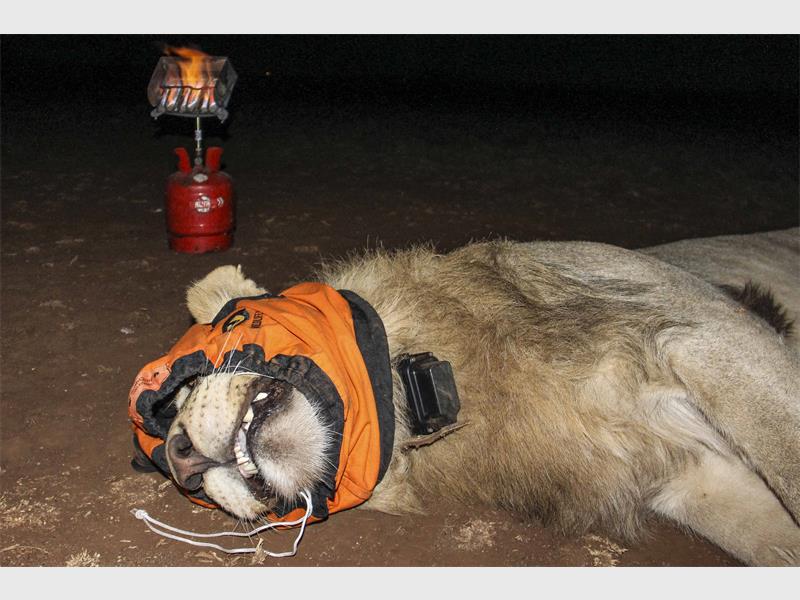
UMKHUZE’S big cats and wild dogs are expected to boost visitor numbers at iSimangaliso Wetland Park, the World Heritage Site that already generates seven percent of KwaZulu-Natal’s gross domestic product.
According to World Bank researchers, iSimangaliso has also created more than 7 000 direct, permanent tourism jobs. With the recent release of the coalition of three male lions into the wetland park’s 37 000ha uMkhuze section, even more visitors are expected to visit iSimangaliso in the future. After having been in the holding boma for several weeks, the new uMkhuze residents were collared and released last week.
The lions, from the Tswalu Kalahari Reserve are genetically distinct from the pride of 16 lions, all from the same bloodline, already residing in iSimangaliso.
Their release boosts the establishment of a viable population in the wetland park, a landmark development considering that the last remaining lion of the original population was shot 47 years ago. The first iSimangaliso lion reintroductions took place in 2013 and 2014.

Another big uMkhuze drawcard is the endangered African wild dog. With an estimated 1 400 fully grown adult dogs left globally, the two packs that have been established in uMkhuze form a vital part of South Africa’s meta-population. A new litter of 14 healthy pups has been spotted and photographed in the last few days.
uMkhuze also now boasts resident cheetahs.
They represent another reintroduction success story despite initial challenges. Cheetahs are categorised as vulnerable with a population of only about 1 500 adults left in South Africa. Today, 15 collared cheetahs call uMkhuze their home and are regularly seen by visitors doing game drives.
The uMkuze cats and dogs are among the several thousand heads of game that have been trans-located by iSimangaliso into the park, with the support of Ezemvelo KZN Wildlife, since 2000. With the exception of eland, all the game that historically occurred in the region, including oribi, tsessebe, black and white rhino, elephant, wild dog, cheetah, buffalo, waterbuck and blue wildebeest, have now been re-introduced. Hyena and jackal have returned on their own and are flourishing.

It’s a good time to visit uMkhuze as it is emerging from the worst recorded drought of our times and spring rains are already bringing about a natural transformation. All tourist network roads have been re-tarred or gravelled and rebuilding of hides, ablutions, the Fig Forest Walk and other attractions is almost complete.
HAVE YOUR SAY
Like our Facebook page, follow us on Twitter and Instagram
For news straight to your phone, add us on BBM 58F3D7A7 or WhatsApp 082 421 6033