Migraines often misdiagnosed as sinusitis
The study shows that clinicians should be careful to consider migraine when evaluating a child with headache and associated ocular or nasal symptoms so as to avoid giving a misdiagnosis of a sinus headache.
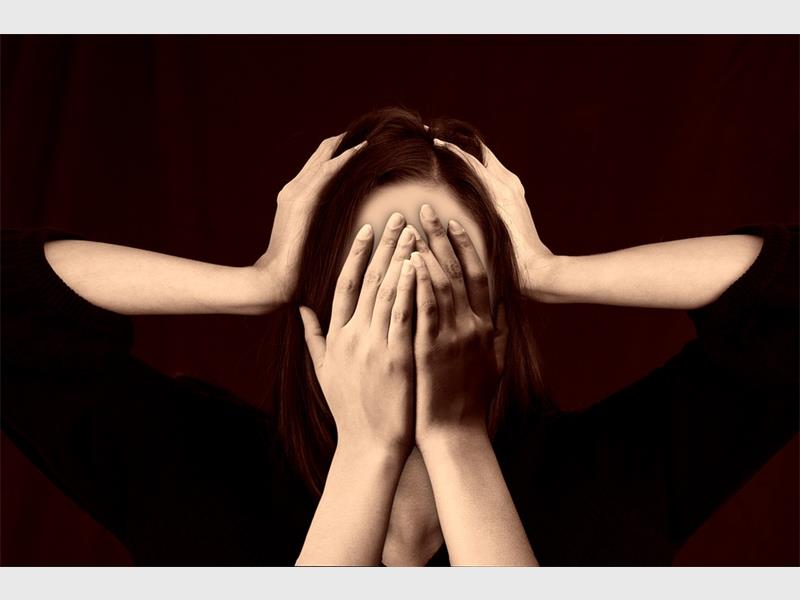
MIGRAINES affect the lives of many people on a daily basis, and if untreated it can get worse.
Two recent studies show that migraines are often misdiagnosed as sinusitis or a sinus headache in the case of children and adolescents, which results in patients not receiving proper treatment.
ALSO READ: 8 Times when a headache can mean trouble
In one study, recently published in The Journal of Headache and Pain, the researchers found that 81.5 percent of the participants in their study (who suffered from migraines) were misdiagnosed with sinusitis.
A total of 130 migraine patients were recruited for the study and 106 were misdiagnosed.
Dr Elliot Shevel, medical director of The Headache Clinic, and South Africa’s internationally recognised migraine expert and pioneer in the field of migraine surgery, says the study indicates the importance of clinicians adhering to the specific diagnostic criteria for migraine diagnosis.
“This will help prevent the so-called chronification of headaches and the possible onslaught of medication overuse headache (MOH),” says Shevel.
The misdiagnosed patients were treated either medically (87.7 percent of the patients), or surgically (12.3 percent of the patients) without relief of their symptoms in 84.9 percent and 76.9 percent respectively.
However, migraine headaches improved in 68.9 percent after proper diagnosis and treatment.
In a separate study published in the journal Neurology, researchers looked at the presence of cranial autonomic symptoms in children or adolescent patients and found that this often leads to a misdiagnosis of a “sinus headache”.
In this cross-sectional study, all pediatric and adolescent patients suffering from migraines evaluated by a single investigator at four different treatment facilities were examined.
Of 125 patients, 62 percent had at least one cranial autonomic symptom based on current International Classification of Headache Disorders, second edition (ICHD-II) criteria, and 70 percent based on proposed ICHD-III criteria.
“The study shows that clinicians should be careful to consider migraine when evaluating a child with headache and associated ocular or nasal symptoms so as to avoid giving a misdiagnosis of a sinus headache,” says Shevel.
“Both studies show the importance of clinicians making a proper and correct diagnosis. If not treated properly migraines can severely effect quality of life.”
HAVE YOUR SAY
Like our Facebook page, follow us on Twitter and Instagram
For news straight to your phone, add us on BBM 58F3D7A7 or WhatsApp 082 421 6033