Exercising in the cold
The human body has an amazing ability to regulate its temperature.
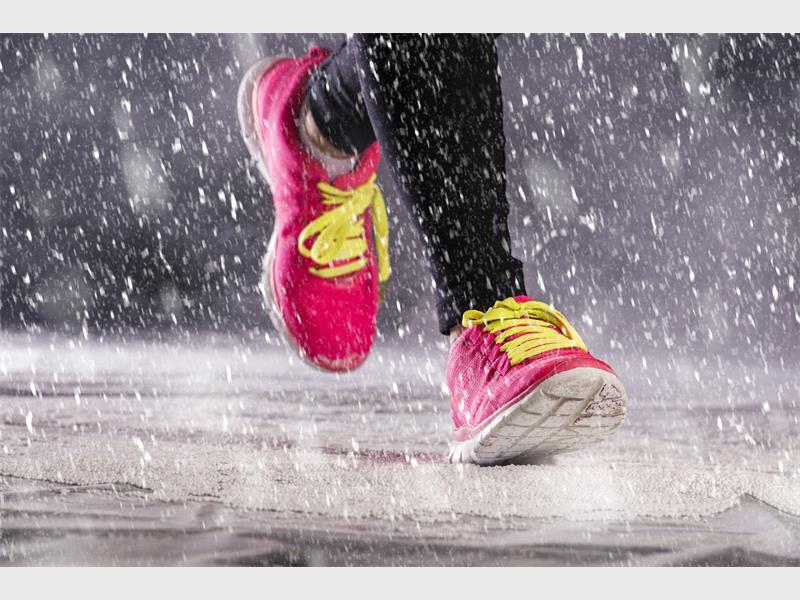
With winter on its way, many people are less motivated to go out and exercise, despite the numerous benefits that regular exercise holds.
Regardless of your age, sex or physical ability, the health benefits of regular exercise are hard to ignore. Some benefits of regular exercise include:
- Weight control. During winter you will burn even more calories as your body needs to work harder to regulate your core temperature.
- It combats health problems such as diabetes and high blood pressure
- Improves your mood
- Boosts your energy
- Promotes better sleep patterns and combats insomnia
- It helps put that spark back into your sex life
- And it can be fun
- You will build tolerance to cold weather
- You will get Vitamin D from the sun which is essential for good bone health. As you are more house-bound in winter, it is important to get at least 10 minutes of sun shine per day to combat osteoporosis (brittle bones)
- You will respect warm-up and cool-down activities more. In winter you will have to do these to get your joints and muscles prepared before exercise and to help with recovery after exercise.
Your aim should be 30 minutes of physical activity per day at a level that is appropriate to your fitness level or ability.
Even a walk in the park will be good.
The human body has an amazing ability to regulate its temperature between 36 and 37 degrees Celsius during exercise in different environmental conditions.
Approximately 75 percent of the energy that the body produces is lost as heat once this temperature range is met, with the remaining 25 percent of the energy used to power the muscles.
The faster the body moves, the more energy it uses and therefore the more heat it produces. Shivering will use up energy stores to generate heat, but will also hamper performance.
In colder environments, the body is more likely to lose heat to the surrounding air or water.
During exercise the heart works harder to pump the blood to the muscles which create heat as they work.
This heat is distributed around the body with blood vessels dilated (more open), particularly to the skin, where it is cooled by the evaporation of sweat.
This cools the blood helping to maintain the correct core body temperature.
This process of heat loss is faster when in windy or wet conditions and whilst in cold water during a swim.
The best way to stay warm during your winter run, swim or cycle is to wear the appropriate clothing. When running or cycling, it is advisable to match your attire with the expected conditions and time of day.
In South Africa we are fortunate that by mid-morning during the winter months, the temperature begins to increase again.
During the early morning it is advisable to wear layers of clothing, with the first layer being a synthetic (this will draw sweat away from your body), the second layer can be fleece or wool for insulation and the outermost layer should be water-repellent, especially in the case of windy or wet conditions.
If you are lean, you may need another layer for more insulation.
Swimming in the cold will require a wet-suit.
Stop and start activities like walking and then running, will make you more vulnerable to the cold.
In both these instances, the body will trap a warm layer of air or water between the base layer and the skin, helping to insulate you and prevent heat loss.
The subsequent layers will help to prevent too much sweat evaporation, and therefore your body becoming too cold.
Wearing layers will also allow you to remove some of these layers as the day warms up or put them back on if it gets colder, to keep at a comfortable temperature.
Cotton material should be avoided as it encourages moisture wicking and therefore evaporation.
Instead wool or synthetic fleece should be considered, especially on the head, face and hands in very cold conditions.
When it is cold, blood flow is concentrated at your core, therefore leaving your extremities vulnerable to the cold.
Once you have completed your exercise, it is important change into dry warm clothing to prevent continued heat loss from sweaty wet clothing.
Remember to eat before exercising to provide fuel for your body to burn and after exercising to replace this fuel, aiding in recovery of your body.
Always keep yourself hydrated with fluids.
You can dehydrate due to sweating, breathing and the drying power of the winter cold.
Sunscreen is still very important in winter as you can still get sunburned.
If it is dark outside, remember to wear reflective gear jackets and head lights.
Surfaces may be slippery due to frost, therefore wear shoes with good traction.
There is an increased risk of straining or tearing muscles, tendons and ligaments in the cold.
This is due to low temperatures causing muscles and connective tissues to lose their elasticity and tighten more.
Therefore, it is important to warm-up and stretch, especially in winter.
Slippery surfaces increase the risk of traumatic injuries.
Low temperatures also tend to slow down nerve conduction, therefore decreasing transmission of messages.
For example, when cold feet go numb, you will not be able to feel the surface you are exercising on, causing a decrease in balance which may lead to falls and possible injury.
You might push yourself more and cause damage without knowing it.
Blisters are common when your clothing gets wet e.g. wet socks cause blisters on your feet.
Remember to check with your doctor before you begin any exercise, especially if you have an underlying illness or if you have never exercised before.
If you do have any underlying conditions, remember to have regular checkups, you should see the improvements at each visit with regular exercise.
Your physiotherapist can help design an individualised program for you.
n Information provided by Groenewald Cox Physiotherapy and Associates Contact 011 974 9005.