ONLINE EXCLUSIVE: Refusing to vaccinate children could fuel rise in antibiotic-resistant superbugs
Parents have been urged to vaccinate their children in order to protect them against illnesses.
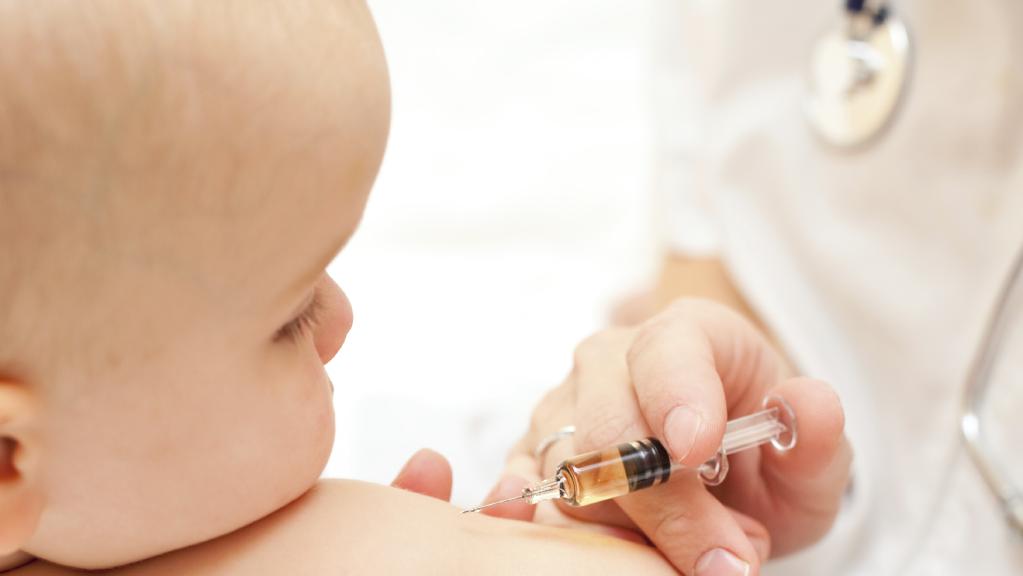
Parents have been urged to vaccinate their children in order to protect them against illnesses.
Also read: Measles outbreak: Mass vaccination campaign for Gauteng
There has been a recent spike in measles cases in Gauteng and the Western Cape.
Experts said the recent spike is as a direct result of parents refusing to vaccinate against the illness.
They have warned that this is of growing concern since the habit of not vaccinating in general could fuel a rise in antibiotic-resistant super bugs.
Also read: Ekurhuleni opens doors for emergency Measles vaccinations
Annemarie Blackmore, Pharma Dynamics’ Antimicrobials Portfolio Manager, said vaccinating your child is paramount in the ongoing fight against antibiotic-resistant superbugs.
“Antibiotic resistance is when an antibiotic has lost its ability to effectively control or kill bacterial growth and is exacerbated by the unnecessary and incorrect use of antibiotics. Vaccines have the potential to decrease disease, which can in turn reduce the need for antibiotic use,” said Blackmore.
Many parents remain particularly skeptical of the Measles, Mumps and Rubella (MMR) vaccine, following a UK study that linked the vaccine to autism.
Also read: WHO warns of measles outbreak across Europe
It also sparked a wide debate on social media and raised a question around the safety of vaccines in general.
Blackmore said the study has since been proven fraudulent by an investigation published in the British Medical Journal (BMJ), but the damaging effects remain, and as a result, many parents are in two minds about whether to vaccinate their children.
“Contrary to these mistaken beliefs, vaccines are and will continue to play a pivotal role, and even more so in the next two to three decades, in combating illnesses and anti-microbial resistance alike,” she said.
South Africa is still some way off in meeting its immunisation targets, which given the alarming rise in not only diseases such as measles, but super bugs in recent years, it has now become a top priority.
Also read: Protect your child from vaccine-preventable diseases
The total immunisation coverage in the country over the 2013/2014 period stood at 84.4 per cent according to the district health barometer by the Health Systems Trust. This is a non profit organisation (NPO) with a focus on improving health systems in the country.
The figure points to a drop in almost ten percentage points from the 94 per cent coverage, which was recorded the year prior. The figures indicated a significant decline in the overall administration of vaccines.
According to Blackmore, there is a 30-year void in the discovery of new types of antibiotics, with no registered classes of antibiotics having been discovered since 1984, which reaffirms the importance of using what precious antibiotics we do have, responsibly.
“Already Antimicrobial resistance (AMR) is estimated to kill more than 700 000 people globally per year. If not addressed, 10 million people are expected to die annually because of drug-resistance by 2050. Everyone can and should play their part by vaccinating themselves and their loved ones against the diseases outlined in the World Health Organisation’s (WHO) expanded immunisation programme.
To access this list, follow this link.
Measles is one of the most infectious diseases in the world and could cause brain damage, pneumonia and/or blindness. Look out for a high fever and flu-like symptoms. Two to three days in, tiny white spots may appear inside the mouth, followed by a rash, which usually starts out as tiny flat red spots on the face, neck, trunk and extremities. If you suspect your child has the measles, visit a GP or nearest clinic to you immediately.