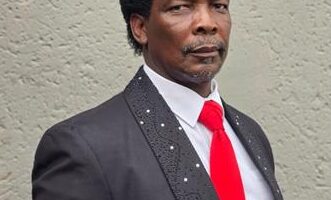
Ekurhuleni Mayoral Race: EFF’s Tshivhenga targets jobs, infrastructure and corruption
Nthabiseng Tshivhenga outlines plans to improve water and electricity services, formalise informal settlements, support local businesses and strengthen municipal accountability.

Germiston City News invited all Ekurhuleni mayorla candidates to participate in a question-and-answer interview, giving voters a chance to learn more about their plans, priorities, and hopes for the city ahead of the Local Government Elections on November 4.
The views expressed in these questionnaires are those of the respective candidates and do not represent the views of Caxton Local Media or any of its publications.
The questionnaires are intended solely to provide voters with information about the candidates contesting the election and to help them make informed choices at the polls.
EFF mayoral candidate Nthabiseng Tshivhenga
Q: Ekurhuleni is a major industrial and economic hub. What is your strategy for protecting existing jobs and attracting new investment?
A: “Ekurhuleni’s GDP reached R497b in 2024, up from R270b in 2014. The city grew by 1.31% in 2024, compared with Gauteng’s 0.73% and South Africa’s 0.53%. Manufacturing accounts for 23.2% of the City’s Gross Value Added, highlighting its potential for further industrial growth. Ekurhuleni needs increased investment in manufacturing, its CBDs and infrastructure. To attract investment, municipal land should be made available for industrial development, while reliable electricity and water supplies and the maintenance of roads, water and wastewater infrastructure should be prioritised to prevent disruptions to business operations.”
Q: The metro has faced persistent challenges around electricity, water infrastructure, roads and ageing municipal assets. Which infrastructure problem will you tackle first, and why?
A: “Repairs and maintenance spending is budgeted at R4.607b, or 8.1% of the value of the city’s property, plant and equipment. The budget must be used effectively to improve infrastructure and service delivery. Priorities include insourcing maintenance services, fixing reported water leaks within a day, deploying dedicated plumbing teams to areas with high water losses and correcting water debt resulting from incorrect billing. Water tanker services will be limited to emergencies. Other priorities include improving municipal control over electricity billing, distribution and revenue, targeting a one-hour response time for fault and outage reports, and developing municipal electricity generation capacity, including community-based renewable energy in partnership with Eskom.”
Q: Ekurhuleni has a large number of informal settlements. What is your plan to improve basic services while addressing longer-term housing needs?
A: “Nineteen per cent of households live in informal settlements across 131 sites. Priorities include formalising informal settlements to provide basic services and making land available for housing for different income groups, including low-cost housing for households that can afford repayments but do not qualify for a bond. Making the housing beneficiary list public would improve transparency and help address backlogs.”
Q: What is your plan to improve the metro’s financial position and ensure that municipal spending translates into visible service delivery?
A: “Municipalities receive about 9% of funds allocated by Parliament to all three spheres of government. The proposal is to increase this to at least 15%. Infrastructure Grant Technical Oversight Units would monitor grant spending, while outstanding municipal debt owed by government departments and large businesses would be recovered. Building internal capacity and reducing reliance on consultants would help direct more funding towards service delivery in Ekurhuleni.”
Q: Ekurhuleni will have a large number of candidates contesting ward seats in the 2026 elections. What will you expect your ward councillors to deliver for residents, and how will you hold them accountable for service delivery, community engagement and responding to local problems?
A: “Councillors will sign a declaration committing them to reside in their ward for their full term and refrain from corruption, tender participation, interference in housing lists or hiring processes, gender-based violence and public intoxication. Councillors will be expected to remain accessible to residents, work on the ground in their communities and make themselves available on publicly registered cellphone numbers.”
Q: If we interview you again at the end of the 2026 – 2031 term, what specific measurable result should we be able to hold you accountable for?
A: “The first 100-day priorities include boosting economic growth, reducing unemployment, tackling crime and addressing corruption. Plans include insourcing municipal services, directing 80% of procurement to local SMMEs and vetting EMPD and municipal personnel within 60 days. The city’s billing and revenue collection systems will be reviewed, while qualifying households will receive targeted financial relief. A public dashboard will track outstanding supplier invoices, with local SMMEs prioritised for payment within 30 days. The R4.6b infrastructure maintenance budget will be used to address water and electricity losses and improve service delivery.”