Eduvos Women in Technology Summit inspires IT students in Bedfordview
Women in Technology Summit at Eduvos’ Bedfordview campus connects students with industry leaders to explore emerging careers, build confidence and strengthen workplace readiness.
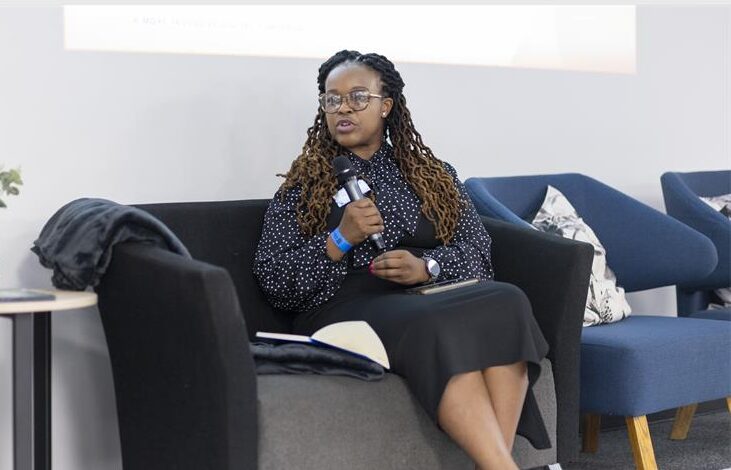
Attending the Eduvos Women in Technology Summit prompted a shift for Makhosazana Phumelele Mthembu in how she imagined her future.
The information technology student, specialising in security and network engineering, left thinking about how she could use her skills to create opportunities for herself and others.
“With the skills we gain in technology, we can become entrepreneurs, start our own businesses, or use our knowledge to provide solutions and advice to companies,” Mthembu said.

ALSO READ: St Benedict’s hosts national conversation on transformation in education
Her reflection captured a central message from the summit, held at the Eduvos Bedfordview campus: preparing women for technology careers means helping them recognise the possibilities available and build the relationships, confidence and skills to pursue them.
Hosted by the Faculty of Information Technology under the theme ‘Innovate. Lead. Transform: Empowering Women to Shape the Future of Technology’, the event attracted 189 participants, including students, high school learners, industry representatives, lecturers and staff.
The conversations took place against a backdrop of growing participation in IT education at Eduvos. According to the institution’s enrolment data, the number of women studying IT-related programmes increased from 1 826 in 2024 to 2 936 in 2025 and 3 982 in 2026, representing growth of approximately 118% over two years.
Popular programmes include software engineering, data science, security and network engineering, computer science and the Higher Certificate in Computing specialising in cybersecurity.
The summit explored what it takes to translate that participation into career opportunities. Discussions covered artificial intelligence, cybersecurity, cloud computing, data science and software engineering, alongside less familiar pathways in quality assurance, test automation and emerging technologies.
ALSO READ: Matric exam system remains secure, says Basic Education Department
For final-year software engineering student Nqobile Rose Mahlangu, learning about quantum computing expanded her understanding of where her studies could lead.
“Overall, the event reminded me that a career in technology is not limited to one path, and there are constantly new fields to learn about and opportunities to grow,” Mahlangu said.
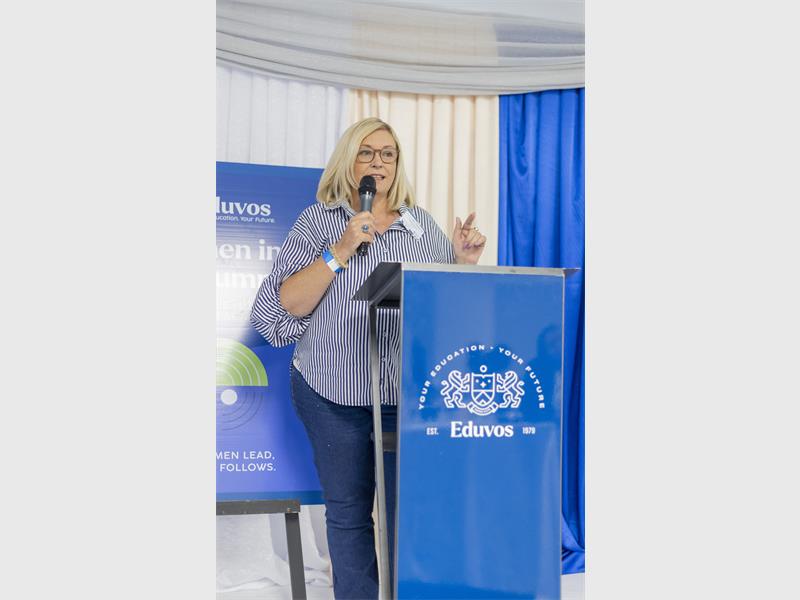
Ximiyeto Makhubele, an FNB professional and Young ICT Trailblazer finalist, encouraged students to pursue opportunities before they feel fully prepared, emphasising that confidence can develop through experience.
Speaking about creating inclusive and diverse technology spaces, she challenged students to speak to at least five new people, turning networking into a practical step towards finding mentors, discovering opportunities and gaining different perspectives.
Angela McMean, vice president of Braintree SA, addressed representation and the importance of inclusive technology environments where women can contribute and lead. Across the discussions, speakers highlighted barriers including self-doubt, limited access to mentors and insufficient visibility of women role models.
Artificial intelligence brought another question into focus: how should students prepare for careers being reshaped by the technology? Speakers encouraged participants to learn how to use AI effectively and consider how it can augment human capability.
ALSO READ: Gauteng Education Contact Centre offers extra hours for 2026 school enrolments
Yamkela Lupindo, a data scientist at Standard Bank, highlighted opportunities extending beyond technical implementation into areas such as AI governance and ethics, data governance and cybersecurity risk management. These careers require an understanding of business processes, organisational strategy and the implications of technology.
“Equally important are transferable capabilities such as communication, collaboration, adaptability, ethical decision-making, project management, and the ability to continuously learn as technologies evolve,” Lupindo said.
For Eduvos, connecting students with these perspectives forms part of preparing them for the realities of work.
The summit gave that approach a practical setting: students could hear how women had built their careers, ask questions about unfamiliar fields and begin relationships with people working in the industry. For participants, those conversations may have widened the possibilities they could see for their own futures.