Dickie Fritz Moth Complex hosts Remembrance Day memorial parade
The event was held to pay tribute to those who had made the ultimate sacrifice.
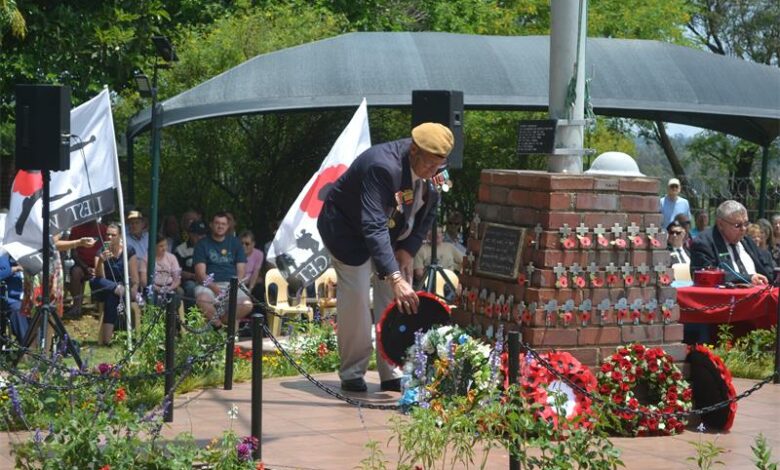
As South Africans observe Remembrance Day each November, attention is often directed towards the countless people who lost their lives during the two World Wars and the conflicts that followed.
Among the events remembered in South Africa is the Battle of Sidi Rezegh, a military engagement in North Africa in November 1941 that destroyed the 5th South African Infantry Brigade.
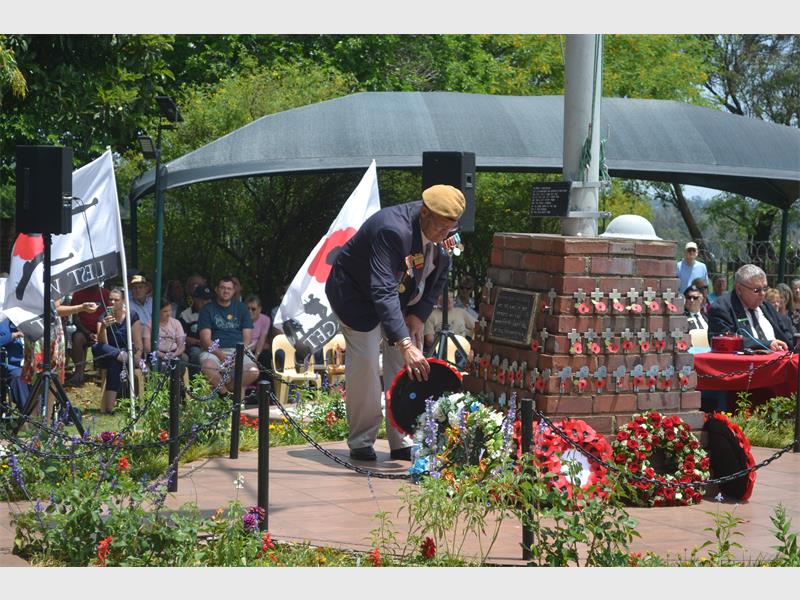
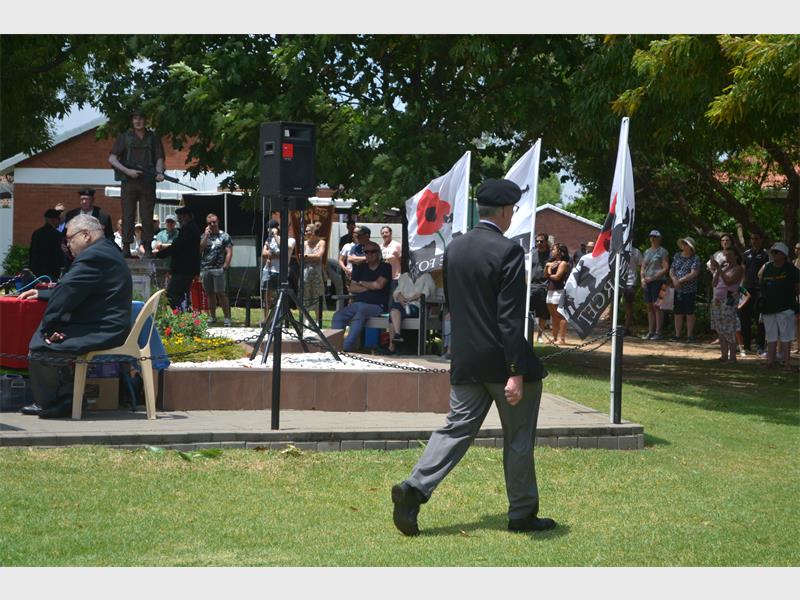
This was evident when community members of the Memorable Order of Tin Hats (Moths) recently attended a memorial parade at the Dickie Fritz Moth Complex and Shellhole.
ALSO READ: Candles of Remembrance returns to celebrate ERPC’s 40th birthday
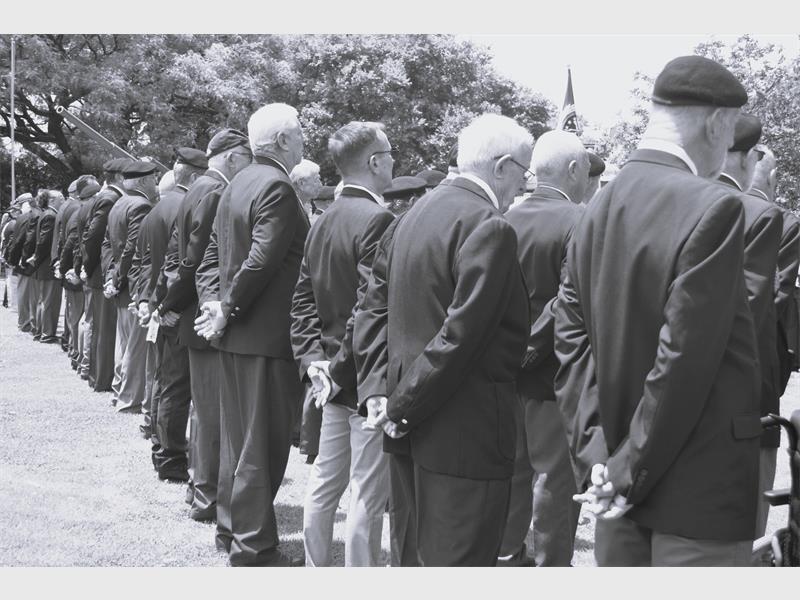
The memorial parade brought together Moth members from various shellholes, MothWA members, community members, and members of the First Harmelia Gardens Air Scout Group to honour Remembrance Day at an event held on November 7.
Origins of Remembrance Day
Every year on November 11, countries around the world pause to remember the men and women who lost their lives in wars and armed conflicts; the day is commonly known as Remembrance Day, Armistice Day or Poppy Day.
The annual commemoration provides an opportunity to reflect on the human cost of war, honour those who served and remember the sacrifices made by generations before us.
The date dates back to the First World War (1914–1918), one of the most devastating conflicts in modern history.
Why is November 11 significant?
At 11:00 on November 11, 1918, an armistice between Germany and the Allied Powers took effect, ending the fighting on the Western Front.
The timing gave rise to the familiar phrase, ‘the 11th hour of the 11th day of the 11th month’.
The first anniversary of the armistice was commemorated in 1919, when people gathered to remember those who had died during the war.
Delving into the Battle of Sidi Rezegh
The Battle of Sidi Rezegh remains one of the most significant and costly episodes in South Africa’s military history during the Second World War.
It took place in November 1941 near Tobruk, in present-day Libya, during the North African campaign of the Second World War.
At the time, Allied forces were attempting to push German and Italian Axis forces out of eastern Libya and relieve the besieged port of Tobruk, where British and Commonwealth troops had been surrounded.
ALSO READ: Moth Ex-Servicemen’s Cottage Association hosts annual fete and parade
The operation, known as Operation Crusader, began on November 18, 1941. South African forces formed part of the Allied campaign, with the 1st South African Infantry Division operating in the Western Desert.
The battle remains one of the most significant and costly episodes in South Africa’s military history during the Second World War.
The battle and its historical context
The Battle of Sidi Rezegh took place in November 1941 near Tobruk, in present-day Libya, during the North African campaign of the Second World War.
At the time, Allied forces were attempting to push German and Italian Axis forces out of eastern Libya and relieve the besieged port of Tobruk, where British and Commonwealth troops had been surrounded.
The South African troops soon faced German opposition equipped with armoured vehicles and tanks.
ALSO READ: Successful commemoration held at Dickie Fritz
On November 22, German armoured forces launched an assault against the South African positions, breaking through the brigade and cutting it off from the rest of the Allied forces.
The following day, November 23, the fighting intensified as German tanks and artillery subjected the South African positions to heavy attacks.
The brigade was eventually overrun and ceased to exist as an effective fighting formation.
ALSO READ: Hani’s widow lambastes ANC during commemoration in Germiston
According to Ditsong Museums of South Africa, the brigade initially had a strength of about 5 700 men.
By the end of the engagement, only about 2 300 had escaped to safety.
Of the 3 394 casualties recorded by the museum, 224 South African soldiers were killed and 379 wounded.
The remainder were taken prisoner by German forces or were considered missing.
The scale of the losses made Sidi Rezegh one of the most devastating engagements experienced by South African forces during the Second World War.
Speaking at the memorial event, Old Bill of the Dickie Fritz Moth Complex and Shellhole Gary Longshaw said the event was held to pay tribute to those who had made the ultimate sacrifice.
Several dignitaries from the Moths order, including the national chairperson and the deputy of the East Rand, as well as community members, laid wreaths and poppies down in honour of those who had lost their lives over the years.