
Endometriosis awareness: What you need to know
A closer look at endometriosis, its impact on daily life, and why early diagnosis and support are crucial.
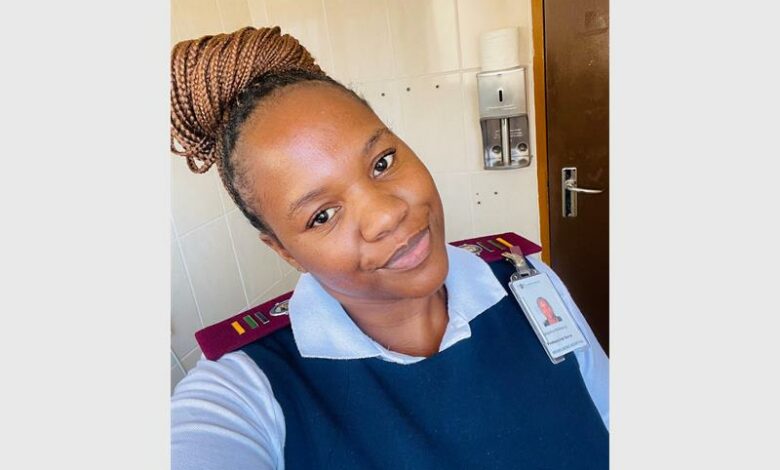
Nurse Nhlanhla Mofokeng shares helpful and educational information on it. Here are a few things to know:
• What is endometriosis?
Endometriosis is a condition where tissue similar to the lining of the uterus grows outside of it, causing pain and potential complications.
• What causes endometriosis?
The exact cause is unknown, but factors such as genetics, hormonal imbalances, and immune system issues may play a role.
• Who is most at risk of developing endometriosis?
It mainly affects women of reproductive age, but symptoms can begin during adolescence.
• What are the common symptoms of endometriosis?
Severe menstrual cramps, chronic pelvic pain, heavy periods, pain during or after intercourse, and infertility.
• Is severe period pain normal?
No, extreme pain that disrupts daily activities is not normal and should be medically assessed.
• How does endometriosis affect daily life?
It can impact school, work, relationships, and emotional well-being due to ongoing pain and discomfort.
• Why is early diagnosis important?
Early diagnosis can help manage symptoms better and reduce the risk of complications.
• How is endometriosis diagnosed?
It is diagnosed through medical history, physical examinations, imaging tests, and sometimes surgery, such as laparoscopy.
• Can endometriosis be cured?
There is no cure, but symptoms can be managed through treatment options.
• What treatment options are available?
Treatment may include pain medication, hormone therapy, and in some cases, surgery.
• How can lifestyle changes help manage the condition?
Regular exercise, a healthy diet, stress management, and adequate rest can help reduce symptoms.
• What challenges do people with endometriosis face at healthcare facilities?
Many experience stigma, misdiagnosis, or their pain being dismissed as normal.
• Where can people go to seek help?
They can visit local clinics, public hospitals, or consult a general practitioner for assessment and referrals.
• How can communities support those living with endometriosis?
By promoting awareness, offering emotional support, and encouraging open conversations about menstrual health.
• What message do you have for those experiencing symptoms?
Do not ignore your pain; seek medical help early and advocate for your health. Those who have the means should visit a gynaecologist. It is also important to do a Pap Smear in order to detect any abnormalities in the uterus and cervical region, and to exclude cervical cancer.