Breastfeeding Week a resounding success in Johannesburg
A new milk bank has been opened at the Rahima Moosa Mother and Child Hospital, new mothers were treated to a day of love and learning at Witkoppen Clinic and more.
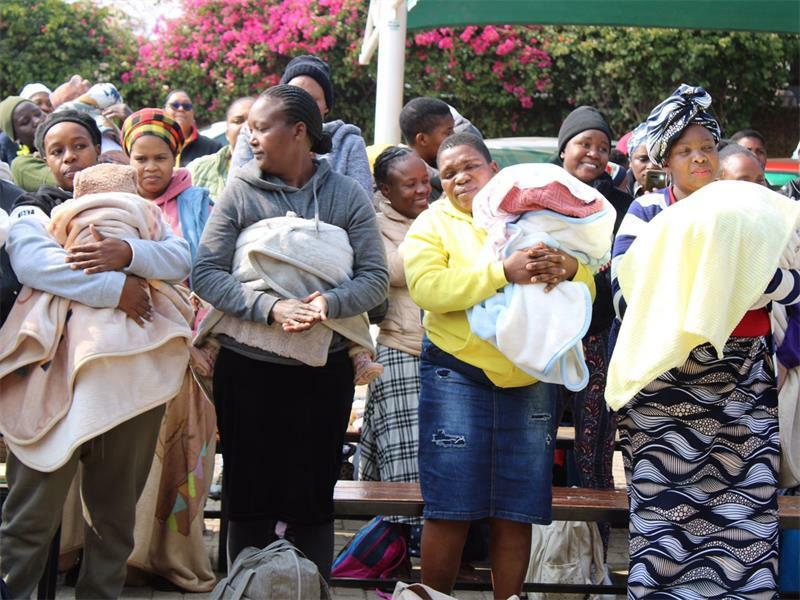
World Breastfeeding Week is celebrated by 120 countries in the first week of August.
World Alliance for Breastfeeding Action (WABA) says, “breastfeeding can act as an equaliser in our society and efforts must be made to ensure everyone has access to breastfeeding support and opportunities. It is essential that no one is left behind especially vulnerable mothers who may need additional support to reduce breastfeeding inequalities.”
Read more: Stop violence against women and children
The Gauteng Health Department says South Africa has low exclusive breastfeeding rates. Just below half (47.7%) of mothers are still breastfeeding at 14 weeks, a number that drops dramatically to 7.4% at six months post-partum.
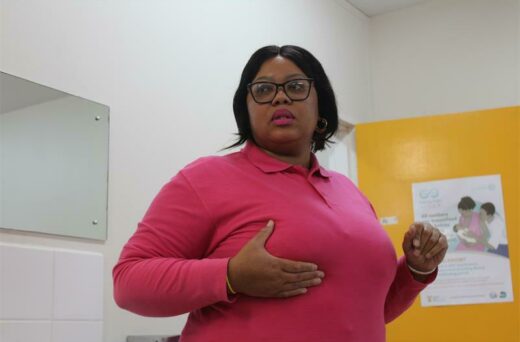
Chantell Witten from the University of the Free State says, “the decisions around breastfeeding are shaped by a host of personal, social, economic, and cultural factors. This is especially true for women living in poverty.”
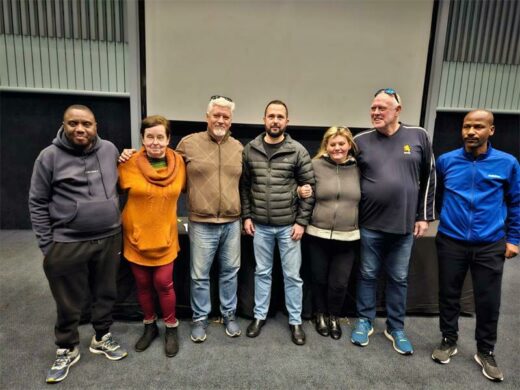
Stress is listed as one of the biggest contributors to women who decide to stop breastfeeding.
“Mothers look for alternative feeding methods often when they have postpartum depression or are worried about finances and access to food themselves.”
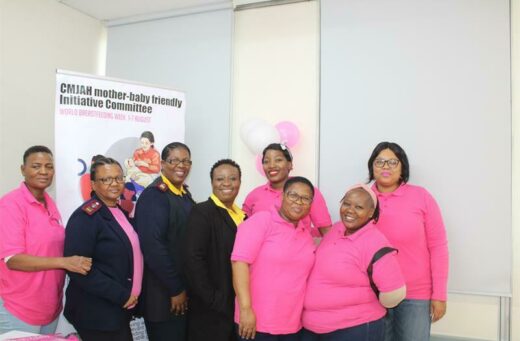
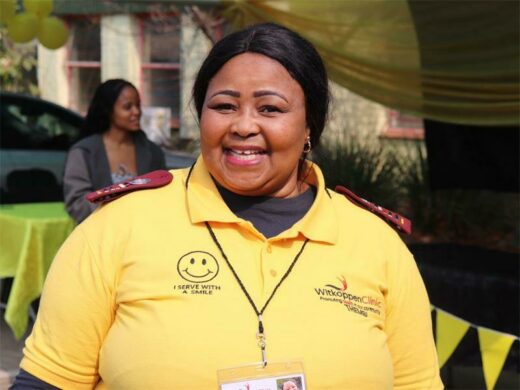
At Witkoppen Clinic on August 2, Thembi Makhombothi spearheaded a Breastfeeding Week event to empower midwives with vital knowledge on the advantages of breastfeeding, overcoming feeding challenges, confidently nursing in public, and exploring ways partners can offer essential support during the breastfeeding process.
While addressing new moms who struggle to feed, Makhombothi said many new mothers believe it is crucial that they should be able to produce milk on the first day after birth, which is not true.
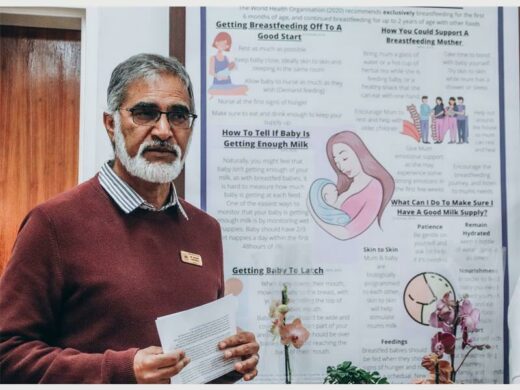
“It is not always like that. There is this watery substance that is coming from your breasts. That is where it starts, it is your colostrum. These are the first nutrients that your baby needs. So, yes, they do come and say, ‘I don’t have milk’, but that is just because they just want to see a flowing fluid to feed the baby, and it is usually not the case. It starts to be scanty at first, but the best advice is to, put your baby on your breast and then it would stimulate, the more stimulation, the more the production will come.”
Also read: Breast pumps to the rescue!

Many mothers face hurdles such as latching difficulties, sore nipples, and concerns about milk supply. According to Dr Khungelwa Mrwebi of Life Healthcare, these challenges are often manageable with the right assistance. She says, “some initial breastfeeding problems can stem from issues like a baby’s tongue tie or maternal discomfort, making it vital for mothers to seek help from healthcare providers and lactation consultants.”
Essential milk bank opened
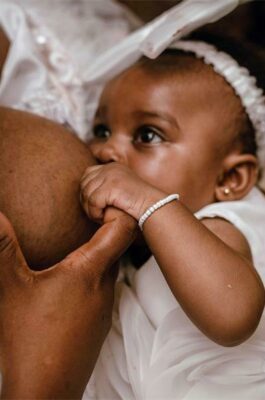
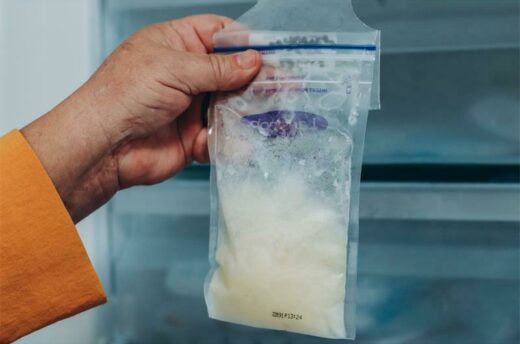
The Rahima Moosa Mother and Child Hospital also marked the special occasion by opening its milk bank which was made possible through a collaboration with Netcare.
Ashraf Coovadia, specialist and head of the department of paediatrics and child health at the hospital, marked the first public/private partnership of its kind in the country, one that he hopes will continue with other hospitals too.
“South Africa has one of the lowest breastfeeding rates in the world. This milk bank is to promote breastfeeding, not just for premature babies.”
Nyasha Mhuru Rukure is one such parent-in-need. Her baby boy, Liam, was born in July at just 29 weeks old and was admitted into intensive care at the hospital. For Rukure, the journey to the hospital is a hurdle that she often cannot overcome, meaning that Liam’s urgent need for breastmilk must be met another way.
“Breast milk donors, who have been tested for safe donation, are a lifeline for babies admitted in hospital neonatal intensive care units (NICUs), helping to ensure that they receive the specialised nutrition their bodies need – often in a fight for their life,” she says.
Charlotte Maxeke Johannesburg Academic Hospital also celebrated the occasion by hosting events for each day of the week. This gave new and expectant mothers additional opportunities to learn about how to breastfeed successfully, to celebrate their bodies, and talk through any concerns or problems they may be experiencing.
Catherine Russell, UNICEF executive director, and Tedros Adhanom Ghebreyesus, World Health director general, issued a joint statement for Breastfeeding Week. Part of it read, “in the last 12 years, the number of infants under six months of age globally who are exclusively breastfed has increased by more than 10%. This means 48% of infants worldwide now benefit from this healthy start in life. It translates to hundreds of thousands of babies whose lives have been saved by breastfeeding.”
Follow us on our Facebook, X, Instagram and TikTok pages. Join our WhatsApp group for any story ideas you may have.
Related article: Breastfeeding has many advantages for both baby and mother