
Blood Moon wows Fourways as residents shoot stunning photos
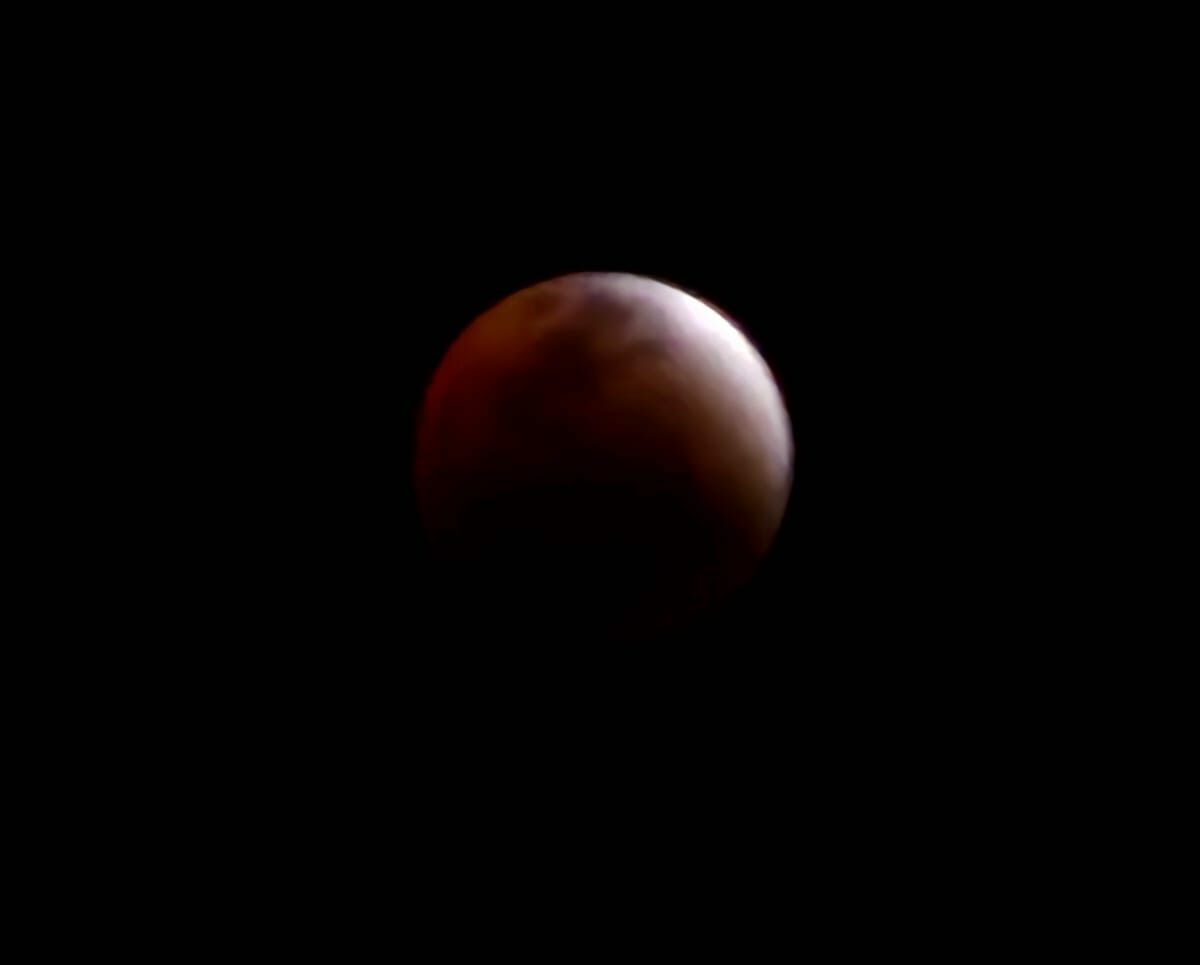
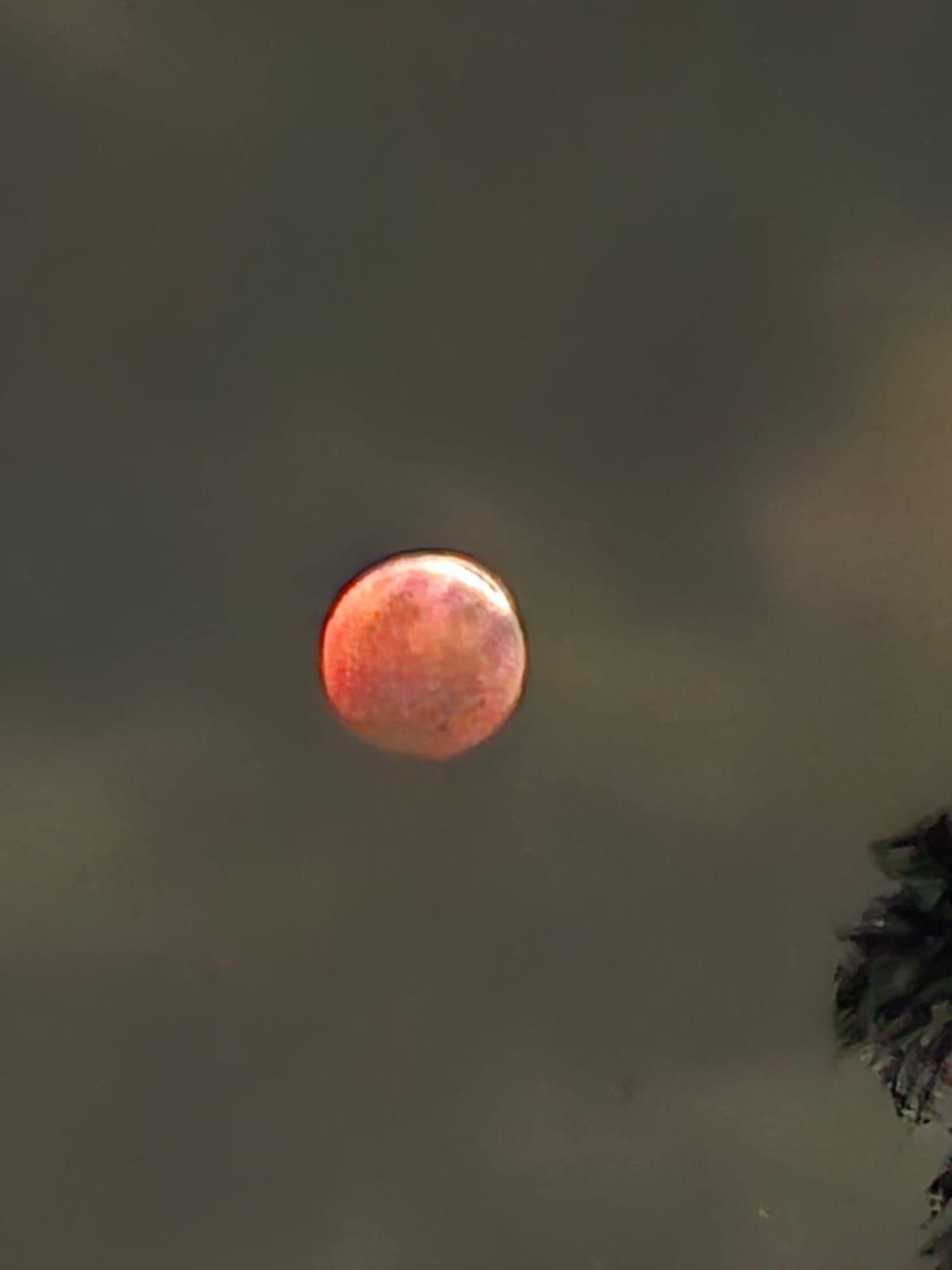
From Cape Town to Johannesburg, stunning photos of the lunar eclipse flooded social media. These are some of the pictures that caught our attention.
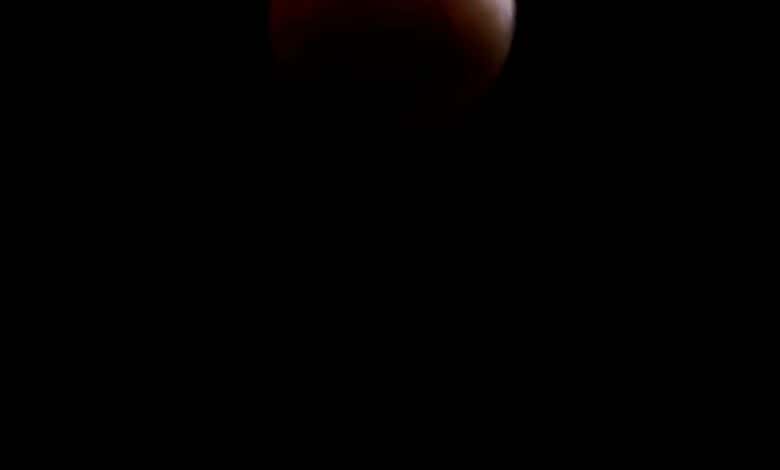
Residents of Fourways looked up as Mother Nature put on a spectacular show with the lunar eclipse, and, oh boy, they didn’t hold back with their photography skills.
Read more: The new Eclipse Cross crafted to ignite passion
Shortly, after being requested for photos by Fourways Review, residents, including those in Cape Town, flocked to the comment section with their stunning pictures.
The Lunar Eclipse was fully visible on September 7 at 20:11. In Cape Town, the partial phase had already begun at moonrise at 18:24, with totality running from 19:30 to 20:52, and the peak occurring at 20:11.
Johannesburg experienced similar timings, with moonrise at 17:49 and totality from 19:30 to 20:52.
So, what exactly happened in the sky? According to the National Weather Service, a lunar eclipse occurs when the sun casts earth’s shadow onto the moon.
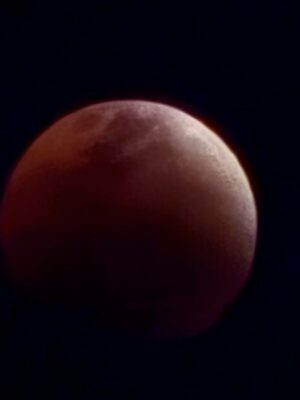
For this to happen, the earth must be positioned directly between the sun and the moon, with all three bodies aligned on the same orbital plane.
“This alignment only occurs during a full moon, when the moon passes through all or part of earth’s shadow,” the agency explained. “Earth’s shadow consists of two main parts: The penumbral shadow, the outer area where only part of the sun’s light is blocked, and the umbral shadow, the inner area where direct sunlight is completely obstructed.”
Also read: Southern Africa and the solar eclipse
The agency said a penumbral lunar eclipse is subtle and often difficult to detect. A partial lunar eclipse occurs when only a portion of the moon passes through the umbral shadow. A total lunar eclipse happens when the entire moon moves into the umbral shadow. During totality, the eclipse progresses in sequence: Penumbral, partial, total, partial, and back to penumbral.
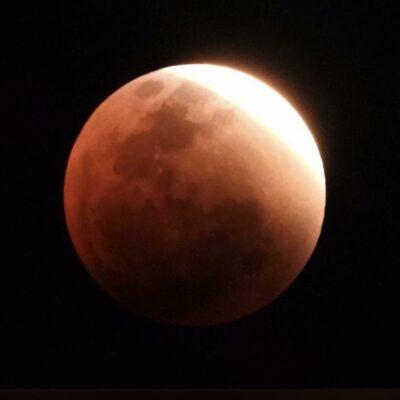
The agency added that, unlike solar eclipses, lunar eclipses can last several hours, with totality itself typically lasting between 30 minutes and over an hour.
“This is due to earth’s large relative size compared with the moon, whose diameter is only about 2 150 miles, casting a substantial umbral shadow.”
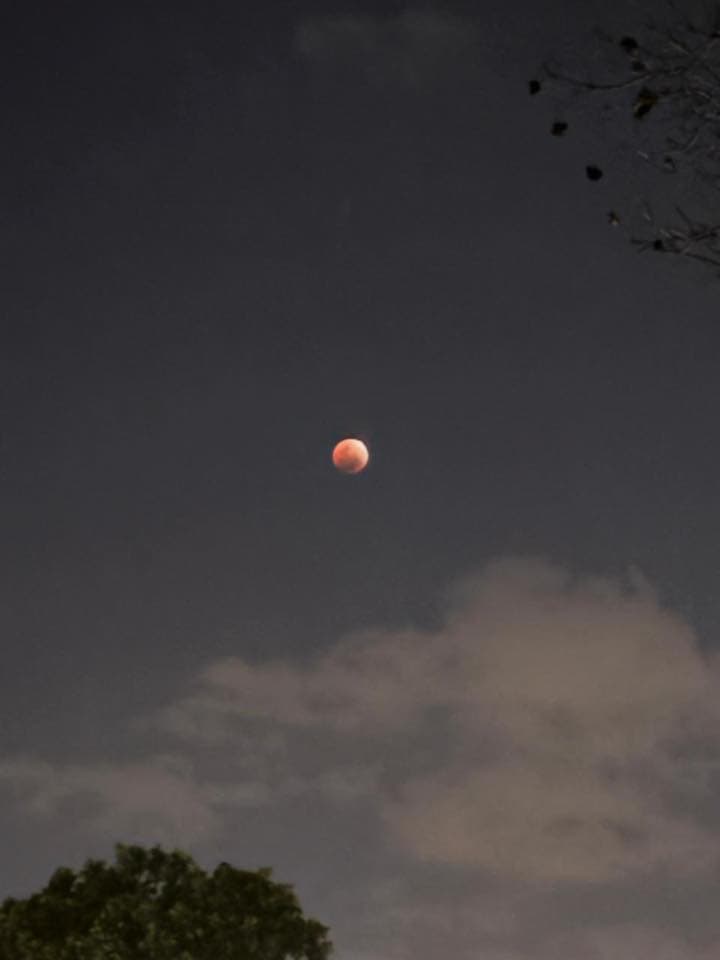
The agency reported that lunar eclipses are also more frequent than solar eclipses, with zero to three occurring each year, though not all are visible from the same location.
“These events offer a rare opportunity for skywatchers and photographers alike to witness the moon’s transformation, from a softly dimmed penumbral glow to the dramatic, deep red hues of a total eclipse.”
Dr Nikhita Ramkilowan, a science engagement and outreach officer for the Wits Centre for Astrophysics, said when asked if there are any interesting myths, stories, or fun facts about lunar eclipses that most people might not know, “Across cultures, lunar eclipses have inspired wonder and storytelling. Here in Africa, some communities imagined the Moon was being eaten during an eclipse.
“The Batammaliba people of Togo and Benin, for instance, believed an eclipse was a quarrel between the Sun and the Moon, and people would come together to encourage peace and reconciliation during this time. Elsewhere, a “blood moon” could be seen as an omen, while for others it was simply a powerful reminder of nature’s mysteries. Today, we can predict eclipses centuries in advance, but the sense of awe they inspire is as timeless as the stories themselves.
“A fun fact about a total lunar eclipse is that each one looks a little different. The exact shade of red depends on how much dust, clouds, or even volcanic ash is in Earth’s atmosphere at the time, so no two “blood moons” are ever quite the same.”
Follow us on our Whatsapp channel, Facebook, X, Instagram and TikTok for the latest updates!