Education expert shares why learners’ mental health matters most in 2026
South Africa’s under-resourced schools are facing a challenge that goes beyond academics. Psychologists say unaddressed mental-health needs are silently shaping learners’ performance and well-being.
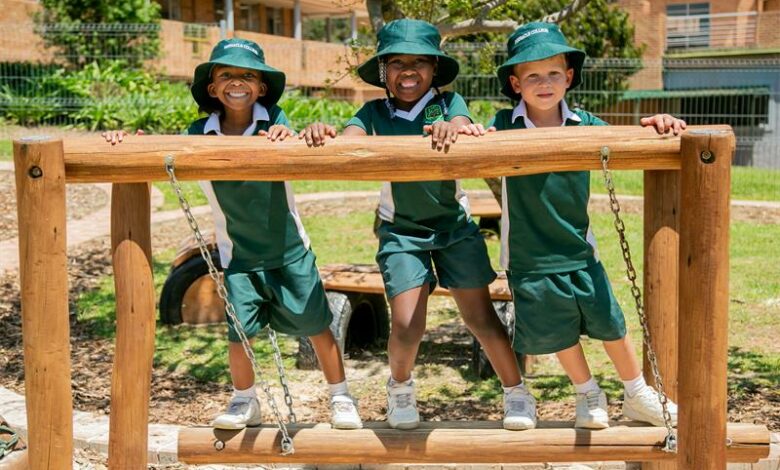
As school gates swing open across South Africa, classrooms come alive once more with the familiar rhythms of laughter, lessons, and the anticipation of new beginnings.
The start of the academic year is about more than stationery lists and fresh uniforms; it is a moment for schools and communities to pause, refocus, and recommit to the holistic well-being of every learner.
It is against this backdrop that a communications strategist and social development advocate with a Master’s in Strategic Communication Dorcas Dube urges the nation to confront a reality that often goes unnoticed: The most urgent challenge facing under-resourced schools today is not only academic; it is also emotional.
According to Dube, countless learners across the country are returning to school carrying far more than backpacks and exercise books. They arrive bearing the psychological weight of communities grappling with poverty, instability, and persistent trauma.
Read more: With mental health in youth becoming more prevalent, schools need to step up
This crisis is not always visible, but its effects are far-reaching. Mental health has become one of the most decisive factors determining whether a child simply survives the school year or genuinely has the opportunity to learn, grow, and thrive.
Recent studies, by Legal Resources Centre, about the topic: Literacy and right to basic education, indicate a severe literacy crisis in South African schools, with 81% of Grade 4 learners unable to read for meaning in any language as of 2021. “Behind the statistics about literacy, dropout rates, and academic performance lies a deeper truth: Unhealed trauma is one of the greatest barriers to learning,” said Dube. “Teachers in these schools are not just educators; they are first responders to emotional pain born of poverty, violence, and instability.

“In classrooms across the country, children arrive each day carrying invisible burdens no curriculum can measure: Hunger, grief, abuse, and displacement. Yet, we continue to expect academic excellence from learners who are fighting unseen battles to stay afloat.”
Also read: Maintaining your mental health during loss
Dube works for Heartshine, a non-profit organisation, where she fosters partnerships that promote leadership and equity in under-resourced schools and communities. She believes healing isn’t treated as a luxury; it’s recognised as a lifeline for communities in pain.
She said, through creative arts, community dialogues, trauma-informed workshops, and psychosocial support, Heartshine helps children confront and process their trauma, in safe, collective spaces. “The transformation is profound. When individuals are equipped with the tools to heal, they rediscover their sense of worth, reconnect with others, and begin to rebuild their lives. When healing takes root, hope follows, and entire communities begin to shine again.
“Real change in education cannot happen without first nurturing the emotional well-being of those who lead it. When principals are supported to manage stress and lead with empathy, they model the kind of resilience their teachers and learners need. In turn, teachers feel empowered to respond with compassion to children carrying invisible wounds. When schools become psychologically safe spaces, learners no longer have to focus on survival; they can focus on learning.”
For learners across the country, school calendars differ, but the goal remains the same: A year of learning, balance, and progress. Public schools, under the department of basic education, are scheduled to begin their first term in mid-January, and close in early December, with four terms and short breaks in March/April, June/July, and September. Independent and private schools, particularly those following the Isasa or international curricula, often start earlier, as soon as the second week of January, and wrap up in late November, aligning their holidays differently to accommodate extended mid-year breaks.
“When parents, educators, and communities work together,” Dube added, “blending structure, empathy, and support, we don’t just prepare children for school. We prepare them for life.”
Follow us on our Whatsapp channel, Facebook, X, Instagram and TikTok for the latest updates and inspiration!