SA ranks last in maths and sciences – Centennial Schools have solutions
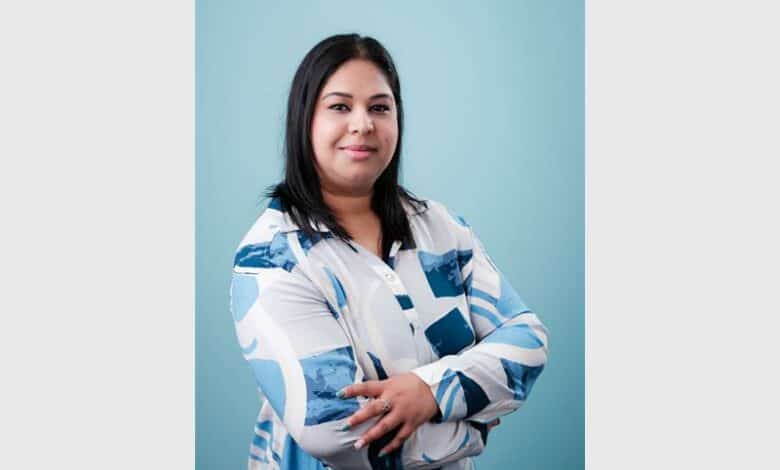
Dr Adele Cheddie, a physical science teacher at Centennial Schools, shares her insights on the vital role of maths and science in education.
The recent trends in international mathematics and science test results, which saw South Africa ranking last in both categories, have highlighted a glaring gap in the country’s educational environment.
According to Dr Adele Cheddie, a physical science teacher at Centennial Schools in Sunninghill, this poses serious challenges for various industries as critical skills will become scarce in the next few years.
“While the test results reflect broader schooling problems, including language barriers, socio-economic imbalances, and a lack of resources, the fact remains that maths and science skills are essential for South Africa’s economic growth and global competitiveness,” she said.
Also read: Centennial School’s founder shares how AI can reboot SA’s education system
Cheddie added a strong focus on maths, science, technology, business studies, entrepreneurship, and engineering at the school level was crucial for bridging the skills gap, driving technological innovation, enhancing problem-solving abilities, and boosting economic growth.
“By prioritising these subjects, students can be equipped with the critical thinking and innovative problem-solving skills required to succeed in the modern workplace.
“This, in turn, will enable South Africa to compete globally, drive entrepreneurship and innovation, and future-proof our workforce.”
She said industries such as renewable energy, healthcare, manufacturing, and AI required a strong Stem foundation. Better maths and science education ensure that matriculants and, in turn, university or college graduates can meet these developing needs.
Also read: Centennial Schools shares its innovative approach to tackling youth unemployment
She believes that a widespread focus on maths and science can benefit the economy and grow South Africa.
“It can drive technological innovation, enhance problem-solving abilities, and boost economic growth. Furthermore, it can prepare students for high-demand careers, increase efficiency and productivity, encourage entrepreneurship and innovation, address educational disparities, and future-proof the workforce.”
To achieve this, Cheddie said it was important to identify areas that needed improvement and continuously find ways to enhance learning.
How maths and science education can improve SA education:
- Preparing students for high-demand careers. Industries such as renewable energy, healthcare, manufacturing, and AI require a strong Stem foundation. Better maths and science education ensure that matriculants and, in turn, university or college graduates can meet these developing needs.
- Increasing efficiency and productivity. Scientific and mathematical thinking promotes precision, accuracy, and efficiency, leading to improved processes, cost savings, and more – which ultimately contribute to a more vibrant economic outlook.
- Encouraging entrepreneurship and innovation. A strong foundation in these subjects enables entrepreneurs to create tech-based start-ups with the potential to create employment, solve local and global challenges, and drive progress.
Follow us on our Facebook, X, Instagram and TikTok pages. Join our WhatsApp group for any story ideas you may have.
Related article: Centennial teachers tackle school dropouts, one class at a time