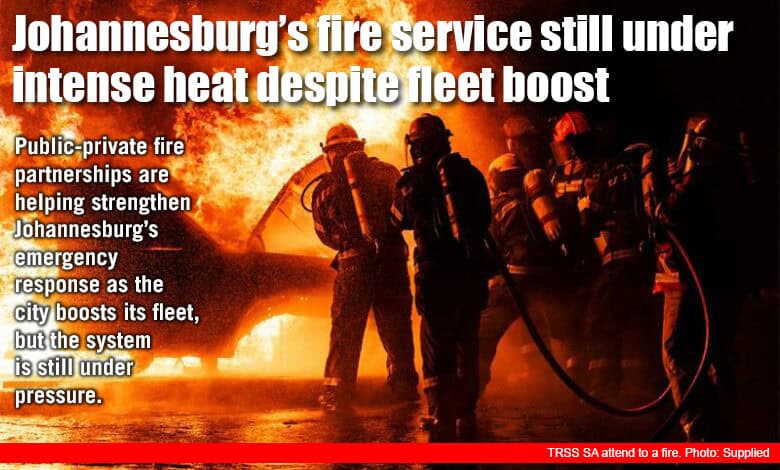
Johannesburg’s fire service still under intense heat despite fleet boost
Public-private fire partnerships are helping strengthen Johannesburg’s emergency response as the city boosts its fleet, but the system is still under pressure.
The wail of fire engine sirens across Johannesburg tells only part of the story.
Behind every emergency call is a fire service still rebuilding after years of resource shortages, even as the city rolls out new fire engines and strengthens its fleet.
The City of Johannesburg’s Emergency Management Services (EMS) says it has doubled its operational fire engines from just 11 a year ago to 22 today, backed by 19 specialist response vehicles, including Rapid Intervention Vehicles (RIVs), water tankers, grass fire units and an air truck.
EMS media liaison Xolile Khumalo said the expanded fleet has improved the city’s ability to respond to emergencies, with each region now equipped with at least three fully operational fire engines supported by specialist vehicles.
Read more: Return to firefighting in Lonehill with distribution of multiple engines, tankers, and units
“The fleet has been significantly improved, ensuring that each region is equipped with at least three fully functional fire engines, supported by the necessary specialist response vehicles.”
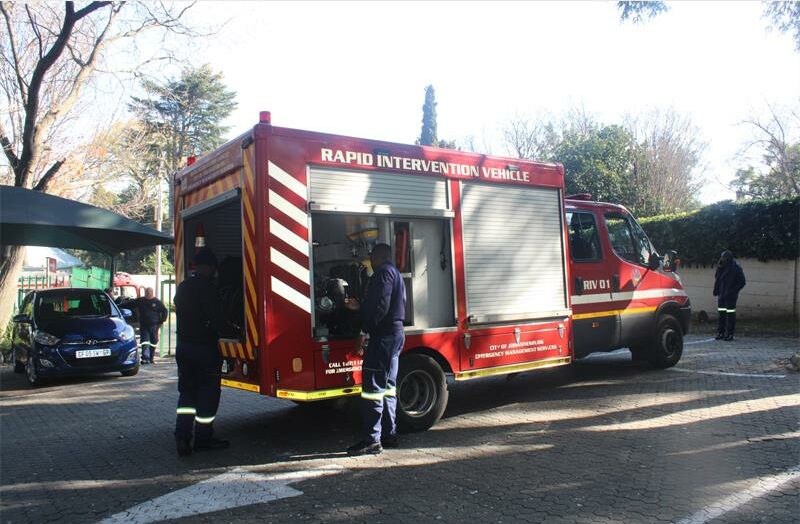
Caption: A COJ EMS rapid intervention vehicle. Photo: Asanda Matlhare
She said the new vehicles have strengthened emergency response and service delivery across Johannesburg, although five fire engines are currently undergoing repairs.
But whether 22 operational fire engines are enough for a city of more than six million residents remains an open question, particularly during winter, when residential, informal settlement and veld fires place added pressure on emergency services.
Increasingly, the city’s response depends not only on municipal firefighters but also on private emergency response teams that work alongside EMS to contain fires and protect lives before additional resources arrive.
Also read: Lonehill Fire Station gets new fire engine after 10 years
Public-private partnerships – TRSS
In a city where every minute can mean the difference between saving a home and losing it, those public-private partnerships have become an integral part of the emergency response system.
Brett Fisher, executive director at TRSS Security Services, said the company’s Fire Ops teams are dispatched immediately to fire-related incidents within their operational areas while simultaneously notifying the city’s fire department.
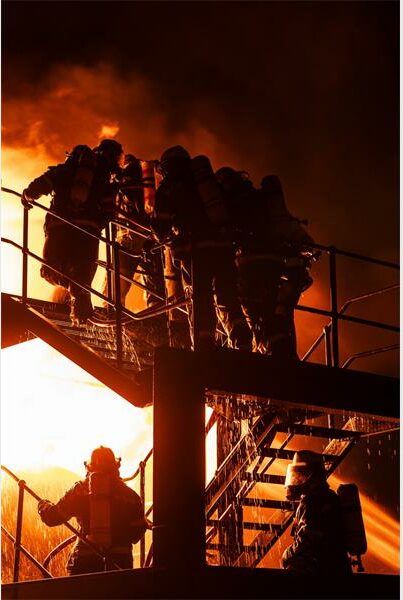
“Our objective is to provide rapid initial intervention, scene management and support until municipal resources arrive, after which we continue working alongside them where required.”
Fisher believes the collaboration between private responders and the department has become an essential part of Johannesburg’s emergency response.
“Every minute counts during a fire, and having private emergency resources available to respond immediately can significantly reduce the spread of fires before municipal crews arrive.
“The relationship between private responders and the city’s fire department has developed into a collaborative partnership with a shared objective of protecting lives and property.”
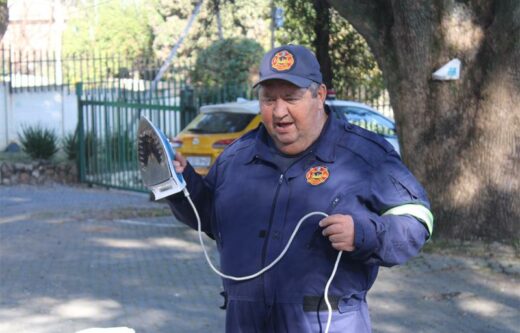
As temperatures drop, that partnership becomes even more critical. According to Fisher, TRSS has attended multiple fire incidents this winter alone, ranging from residential and informal settlement fires to vehicle, commercial, and veld fires.
He said winter consistently brings an increase in fire emergencies, many linked to heating appliances, overloaded electrical circuits, candles, open flames, and alternative heating methods used during colder weather. Dry vegetation and windy conditions also contribute to a higher number of veld fires.
Public-private partnerships – Fire Operations SA
Wynand Engelbrecht, fire chief of Fire Operations SA, stressed the importance of the public-private partnership.
“In the nine years of our existence, we have literally attended thousands of structural fires and other emergencies with the Johannesburg fire department. Collaboration is always a good sign of cooperation.
“We understand each other’s working philosophy, and we are always in support of one another, whether we subject ourselves to their command, provide them with water when water is needed, or help in another capacity. But there is a very good collaboration and a good cooperation.”
Also read: Children inappropriate advertising taken down near Steyn City School
Looking at the operational challenges facing firefighting efforts in the city, Engelbrecht said there is not enough water in the water mains system, and on a very basic level, if there’s no water in the kitchen tap, there’s also no firefighting water in the system. And that in itself should be of major concern, especially to the insurance companies.

“The fire brigade, Joburg fire brigade, can simply not fight fires without the required water supplies. I believe they are short-sold on command training. Many ranks refer to command positions, but actual fire ground command training is in short supply, not only in Joburg, but in the entire country.
He also talked about the apparatus and equipment, which are still in short supply.
“They are still way under the supply levels and provision levels for the 31 fire stations.
The number of fire apparatus should still be in excess of 100 units, and it isn’t even remotely close to that. It’s closer to 20% of that figure. And of course, with the apparatus or engines, the equipment, of course, obviously goes with that, which is then also in short supply.”
Also read: JMPD impounds delivery bikes from outside Hammets Crossing after months of warnings
He added that the city needs to look at lessening the number of fire stations and increasing the number of firehouses.
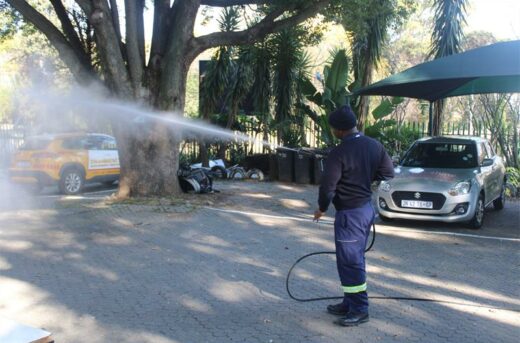
“The firehouse is more affordable. It has got a kind of mobility in it. It can be better placed, it can be more easily erected and moved about if need be. A fire station is a larger complex.
“There are 31 fire stations at the moment in Johannesburg. In my opinion, we can do with about 10 fire stations and probably 30 or 35 firehouses added to the strength.”
Johannesburg’s fire service has made progress, but shortcomings remain, and further steps are needed before it can become resilient enough to meet the demands of a city of more than six million people.
Follow us on our WhatsApp channel, Facebook, X, Instagram and TikTok for the latest updates!