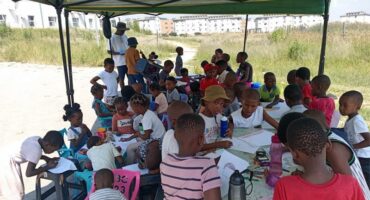
The vicious cycle of homelessness in the City of Gold
Without a fixed address, applying for employment becomes difficult. Without work, paying rent is impossible. Without stable housing, finding employment becomes even more challenging. It is a cycle that traps thousands of people across Johannesburg every day.
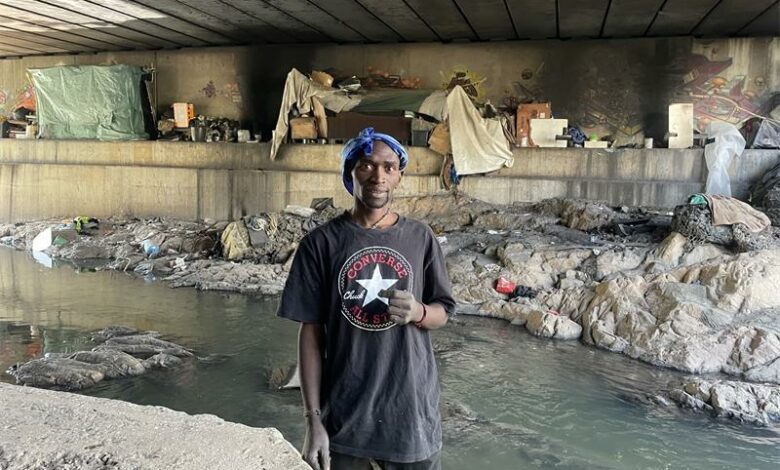
Is government failing the homeless?
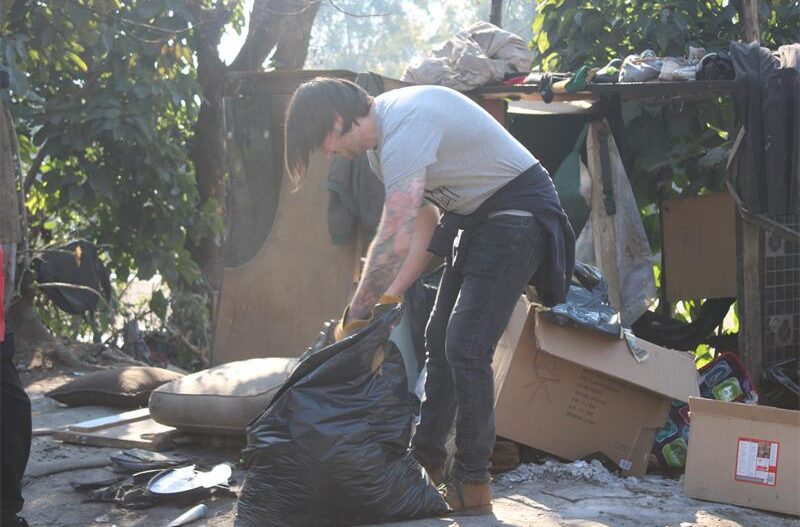
Read more: Residents clean up after sangoma
According to South African Human Rights Commission’s (SAHRC) Aseza Gongubele significant gaps remain between the responsibilities placed on government and their implementation in practice. “The SAHRC does not suggest that all municipalities and provincial governments are failing in the same way. However, its investigations, complaints, and monitoring of housing and local government service delivery have identified recurring challenges, including inadequate planning, weak co-ordination between spheres of government, limited municipal capacity, and insufficient provision for vulnerable communities. These challenges directly affect the ability of government to progressively realise the right to adequate housing.”
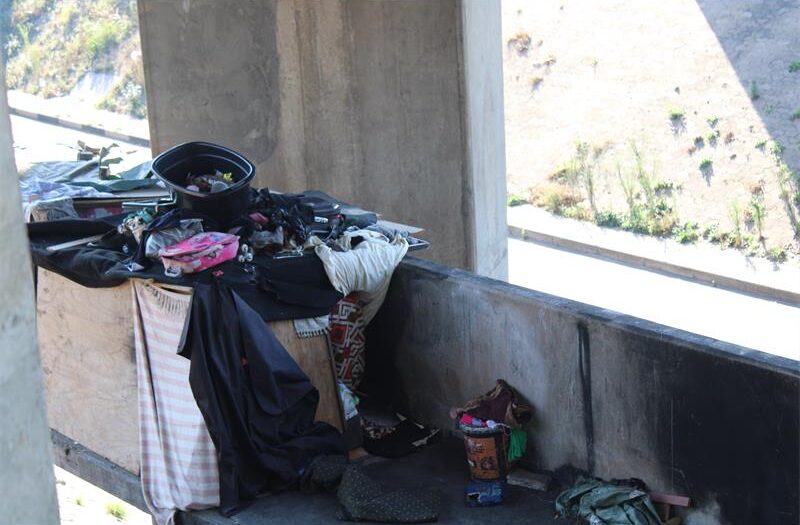
The commission has previously raised concerns about the failure of municipalities to provide alternative accommodation or appropriate emergency housing in circumstances where people are rendered homeless. Its work on the right to adequate housing has also identified a lack of comprehensive and co-ordinated responses to vulnerable groups, as well as capacity constraints at municipal level, according to Gongubele.
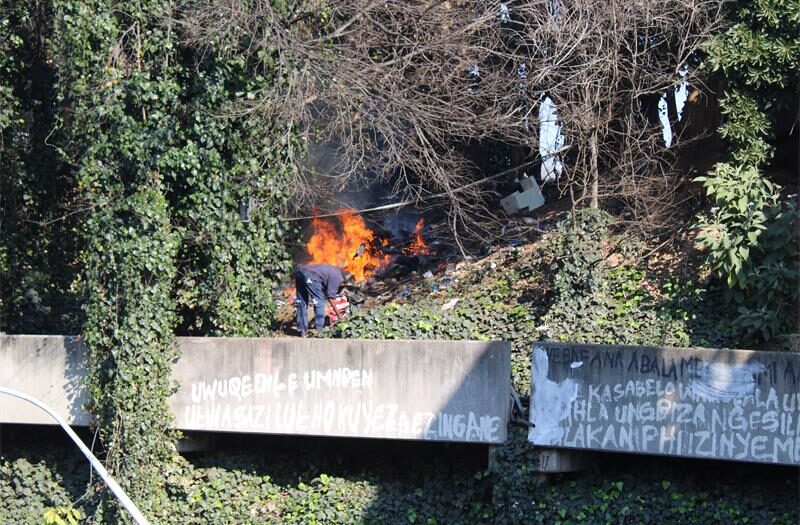
Also read: Estate rolls up sleeves to clean up spaces
The commission considers that government has an important responsibility to move beyond short-term responses to homelessness. Municipalities and provincial governments should have clear plans, budgets, and programmes that address both the immediate needs of people experiencing homelessness and the structural causes that contribute to homelessness. Responses should also respect dignity, equality, and the right to adequate housing. Where government fails to meet these responsibilities, the commission can use its constitutional mandate to investigate complaints, monitor implementation, engage the relevant authorities, and make recommendations for corrective action.
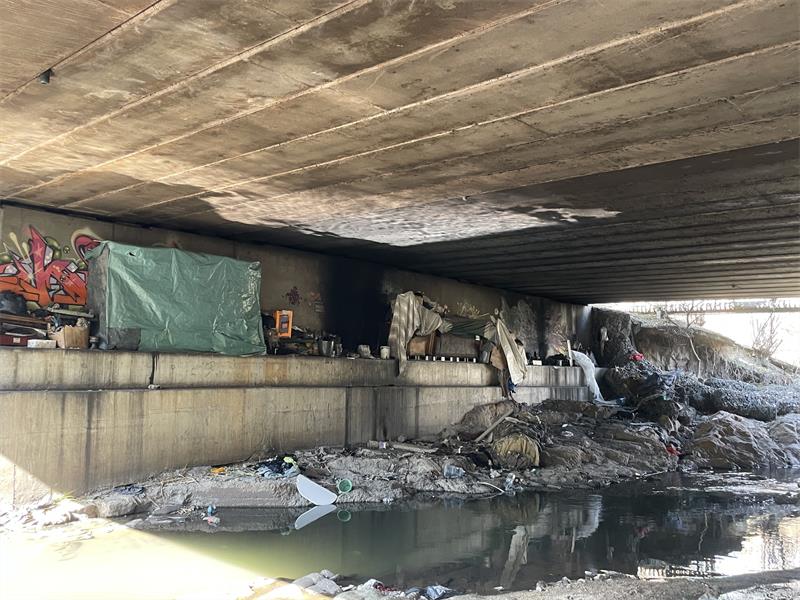
“Importantly, the SAHRC’s contribution to the draft national policy on homelessness is part of this broader effort. The commission’s position is that homelessness requires a co-ordinated, human rights-based response across all spheres of government. The development and implementation of a national policy provides an opportunity to clarify institutional responsibilities, improve co-ordination, strengthen data and monitoring, and ensure that people experiencing homelessness are treated as rights-holders, rather than simply as recipients of temporary assistance.”
Follow us on our Whatsapp channel, Facebook, X, Instagram, and TikTok for the latest updates!