‘The road to finding my Tin Man’s heart’
Family creates awareness of the importance of organ, blood and bone marrow donations in South Africa.
According to the Organ Donation Fund, approximately 5 000 South African adults and children are waiting for a life-saving organ.
The foundation said although there’s still capacity for transplant services in South Africa, Covid-19 restrictions have severely impacted donor referrals and living elective donations, which make up 50% of all transplants.
As a result, countless South African families may never get the call saying that a suitable donor organ has been found – giving their loved ones a second chance at life.
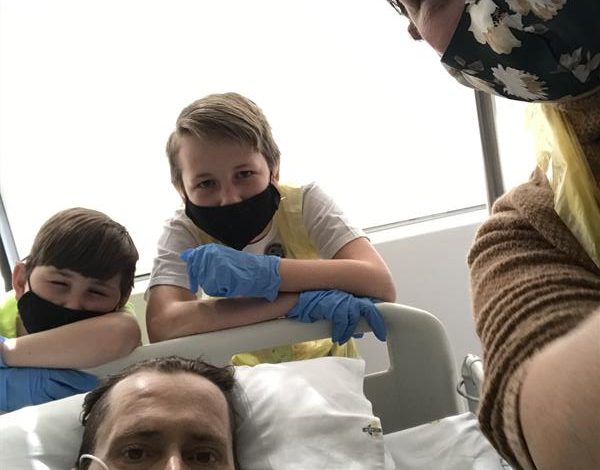
That was the unfortunate case for Kerry Ellis-Williams and her late husband, Greg, who Kerry affectionately referred to as Tin Man, after the fictional character in The Wonderful Wizard of Oz who desperately desired a heart.
In January 2020, Greg was diagnosed with cardiac sarcoidosis – a rare inflammatory disease in which granulomas or clumps of inflammatory cells form in the heart. The inflammation compromises the heart by disrupting its rhythm, blood flow and normal heart function. In rare cases, it can damage the heart to such an extent that it can no longer function.
“The diagnosis was completely unexpected. We were enjoying our holiday in KwaZulu-Natal in December when his sports watch alerted him to the fact that he had an abnormally high heart rate, which, at the time, we thought might have been caused by end-of-year fatigue,” said Kerry.
Greg underwent countless tests following his diagnosis and took medications to manage his symptoms before being admitted to the hospital in September 2020.
In October, Greg’s blood pressure crashed and he had to undergo extracorporeal membrane oxygenation (ECMO) – a process that pumps blood out of the body to a heart-lung machine to remove carbon dioxide and sends oxygen-filled blood back to tissues in the body. This method allowed blood to bypass his heart and lungs, allowing these organs to rest and heal.
A few days after performing the ECMO procedure, the doctors saw significant movement in Greg’s heart while performing another ultrasound and could motivate for a left ventricular assist device – a mechanical pump used for patients who have reached end-stage heart failure.
The pump, which is a life-saving solution for patients waiting for a heart transplant, helped Greg’s left ventricle (main pumping chamber of the heart) pump blood to the rest of his body, improved his quality of life and allowed his body to wait for a suitable heart.
“It took Greg months of physiotherapy, biokinetics and occupational therapy to build up his strength after this treatment. Eventually, after 158 days in the hospital, he was discharged and was able to come home to his family,” Kerry said.
Greg spent only one month at home before being readmitted due to severe complications and infections. It became clear that his only hope of survival was to receive a heart transplant.
On June 16, his blood pressure crashed again and, without a suitable heart donor, there was nothing more his doctors could do. He died.
“Organ donation is not something I considered until my family went through this ordeal. This experience made me realise we take nothing from this world with us when we die, absolutely nothing, not our organs nor blood. However, if you decide to become an organ donor, you have a chance to save up to seven people’s lives and help another 50,” said Kerry.
“We talk about connecting people and communities and, yes, we do that. We also find it increasingly important to highlight and help amplify the stories of real people. Registering to become an organ donor can save someone’s life and make an enormous impact in the lives of their family and friends who love and support them,” said Lianne Williams, Vuma’s head of marketing.
“Becoming an organ donor is quick and easy. Visit www.odf.org.za to register.
“In the same way that Vuma has created awareness about donations by starting such an incredible and necessary conversation, I want to implore every corporate, every citizen and every school to start having these conversations and mobilise South Africans. There’s been such a drastic decrease in organ donations and transplants due to Covid-19, and it’s only by us choosing to be brave enough to commit to being organ donors, blood donors or stem cell donors, that we can make a difference,” said Kerry.