Voting day made easy: What South African voters need to know
November 4 is fast approaching, and the following is a voter’s checklist in preparation for voting day.
With the 2026 Local Government Elections set for November 4, voters should make sure they have the correct identification and know what to expect before heading to the voting station.
According to the IEC, voters must present a valid South African identification document when they arrive at the voting station.
Accepted documents are a green, bar-coded South African ID book, a smart card ID or a valid Temporary Identification Certificate (TIC).
Can I vote with my driver’s licence?
No. A driver’s licence is not an accepted identification document for voting. Neither is a passport or another form of identification.
The IEC’s stated requirements are specifically a green, bar-coded ID book, smart card ID or valid Temporary Identification Certificate (TIC). The document should be the original document issued by the relevant authority; an ordinary photocopy of an ID is not a substitute for the required identification document.
Voters should therefore not rely on a driver’s licence or a photocopy of their ID when going to vote.
What should be in your voting-day “survival kit”?
Although the IEC does not prescribe a formal “survival kit”, voters can make their day easier by taking a few practical essentials:
Your original ID – This is the most important item. Take your green bar-coded ID book, smart ID card or valid TIC.
Your voter registration information – Check your registration status and voting station before Election Day.
The IEC advises voters to ensure they know the address of the correct voting station at which they are registered.
Water – Queues can be long, particularly during busy periods, so take a bottle of water.
Sun protection – A hat, sunscreen and sunglasses can be useful, particularly where voters may have to queue outdoors.
Comfortable clothing and shoes – You could be standing or waiting for some time, so comfortable shoes are advisable.
A phone — but use it responsibly. A cellphone can be useful for checking voter information or contacting the IEC if necessary. However, voters must remember that photographing a marked ballot paper is not permitted.
Any medication you normally need during the day – If you take regular medication, make sure you have enough for the time you expect to be away from home.
Patience – Perhaps the most important item in the kit. Be prepared for queues and follow the instructions of election officials.
What happens when you arrive?
At the entrance, an election official checks your identification document and confirms that you are registered.
Your name is then checked against the voters’ roll. Your thumbnail is inked and you receive the appropriate ballot papers.
Before putting your ballot into the ballot box, check that the required official stamp is on the back of the ballot paper.
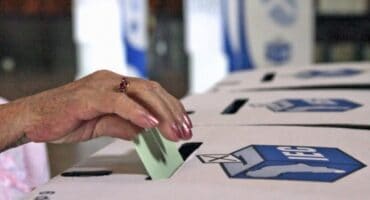
You then mark your choice in the voting booth, fold the ballot so that your choice cannot be seen and place it in the ballot box.
If you make a mistake before putting the ballot into the ballot box, tell the presiding officer.
The IEC says you can request a replacement ballot, with the incorrectly marked ballot being cancelled.
Once a ballot has been placed in the ballot box, it cannot be removed.
The IEC’s official voting guidance states that voting stations are generally open from 07:00 to 21:00 on Election Day, November 4.