Childhood Cancer Awareness Month at CHOC
International Childhood Cancer Awareness Month campaign highlights early warning signs, family stories and practical ways to support children and teenagers diagnosed with childhood cancer.
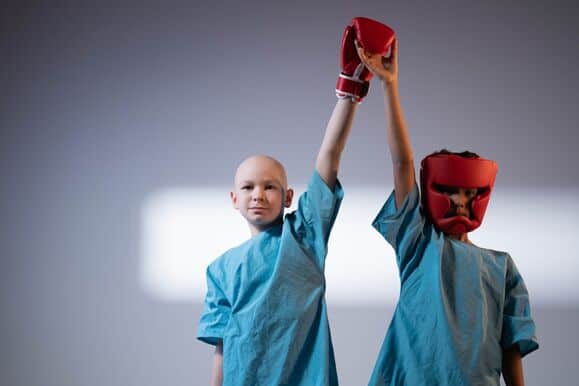
As Childhood Cancer Awareness Month continues this September, CHOC Childhood Cancer Foundation SA is reminding South Africans that childhood cancer continues to affect thousands of children, teenagers and families, highlighting the need for greater awareness, early diagnosis and community support.
Through its 2026 Have a Heart campaign, CHOC is encouraging the public to learn the early warning signs of childhood cancer, share reliable information and support children, teenagers and families navigating a cancer diagnosis.
Every year, an estimated 400 000 children and teenagers between the ages of zero to 19 are diagnosed with cancer worldwide. According to the World Health Organization, more than 80% of children with cancer are cured in high-income countries, while fewer than 30% are cured in many low- and middle-income countries.
This difference is linked to several challenges, including delays or missed diagnoses, difficulty accessing treatment, interruptions to care and unequal access to essential medicines and technologies.
In South Africa, approximately 1 000 children and teenagers are diagnosed with cancer each year. However, too many are still diagnosed late or may never reach a paediatric oncology unit.
Improving awareness and strengthening referral pathways are essential to ensuring that more children access the treatment and support they need as early as possible.
“Having a heart means paying attention, recognising the signs and ensuring that families receive the support they need as early as possible,” said Eugene Subban, chairman of CHOC.
CHOC encourages parents, caregivers, educators, healthcare workers and communities to know the SILUAN Early Warning Signs of Childhood Cancer:
S – Seek medical help early for ongoing symptoms.
I – Eye changes, including a white spot in the eye, a new squint, sudden blindness or a bulging eyeball.
L – A lump on the stomach, pelvis, head, arms, legs, testicle or glands.
U – Unexplained fever lasting more than two weeks, weight loss, fatigue, a pale appearance, easy bruising or bleeding.
A – Aching bones, joints or back, or easy fractures.
N – Neurological signs, including changes in walking, balance or speech, regression, persistent headaches with or without vomiting, or an enlarged head.
These symptoms do not always mean cancer. However, symptoms that are unexplained, persistent or worsening should be assessed by a healthcare professional. For guidance, contact the CHOC helpline on 0800 333 555 or visit www.choc.org.za.
Have a Heart: five ways to take action
Throughout September, CHOC invites individuals, schools, businesses, healthcare professionals and communities to:
Learn the Signs: know the SILUAN Early Warning Signs of Childhood Cancer and share them with others.
Listen to Their Stories: make space for the voices and experiences of children, teenagers, survivors and families.
Wear Gold: wear the Gold Ribbon to help childhood cancer become visible in homes, schools, workplaces and communities.
Share Hope: use reliable information to start conversations and guide families towards help.
Support Families: donate, partner, volunteer or help fund the practical support that makes treatment journeys more manageable.
Across South Africa, CHOC supports children, teenagers and their parents through accommodation close to treatment centres, transport assistance, psychosocial and practical support, educational programmes, awareness and education, and advocacy.
These services help families remain close to treatment while navigating the emotional, practical and financial pressures that often accompany a cancer diagnosis. Without these services many children and families would struggle to access or adhere to their treatment.
The campaign also supports the World Health Organization’s Global Initiative for Childhood Cancer, which aims to achieve 60% survival for children with cancer worldwide by 2030, while reducing suffering and improving quality of life.
This September, having a heart is more than a message. It is a decision to notice, to care and to act.