

Warning signs to look out for to prevent underage drinking
Tips from the SAB 18+ Campaign
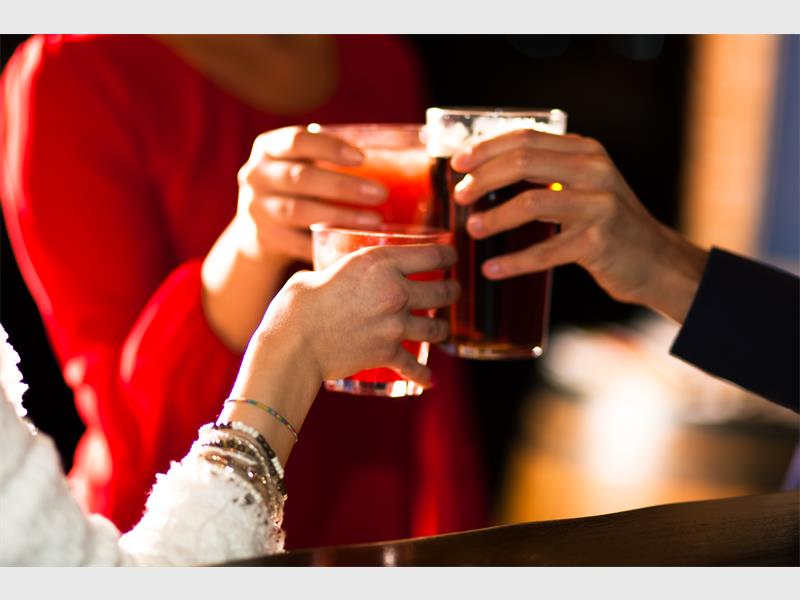
Parents are advised to look out for behaviour that might indicate that their teenagers may be consuming alcohol.
There are many reasons why teenagers use alcohol such as boredom, as a coping mechanism against stress, anxiety and depression or because of low self-esteem.
It is essential to know the reasons to be able to spot the behavioural patterns associated with them and to avoid underage drinking.
Figures from the 2012 University of South Africa (UNISA) Youth Research Unit Substance Abuse Survey Research indicate that around 15 per cent of boys and eight per cent of girls said they’d had their first drink before the age of 13.
“The UNISA research also shows that a percentage of teenagers in the average South African home have at some stage experimented with alcohol. Yet other research we have done shows that the vast majority of parents believe their kids do not drink,” said Jason Levin, MD of HDI Youth Marketers, which run SAB’s You Decide underage drinking schools programme.
SAB, which recently launched the 18+ campaign as a call to action for adults to be role models in the fight against underage drinking, says parents and adults need to be especially vigilant.
The brewing company, which takes responsible drinking and the fight against alcohol abuse very seriously, has compiled a checklist of warning signs to be on the lookout for to prevent underage drinking.
Find the triggers
Find out if there is anything which might tempt your teenager to want to use alcohol. Are they trying to fit in, trying to reduce stress or feel relaxed?
Make this an open discussion about the triggers they have identified or shared. Once you determine why a child is tempted to drink, you can help him fight those triggers by finding other ways to reduce stress, relax, or remove peer pressure.
Stress, anxiety and depression
Pay attention to your teenager for signs of stress, anxiety and depression. Teenagers sometimes feel overwhelmed by life and may then turn to alcohol for solace if they don’t have a healthy outlet for frustration, social anxiety, depression, anger and all the other emotions that are part and parcel of growing.
Alcohol is a very powerful anxiolytic drug which reduces symptoms of stress and anxiety. After initial exposure to alcohol, teenagers start to believe it can ward off their painful feelings. Furthermore, if their lives aren’t going well, they figure they have nothing to lose by using alcohol. Teens with undiagnosed and unmanaged anxiety problems are at particular risk for abusing alcohol.
Alcohol works quickly. The initial effects feel really good, especially for teens who want to get rid of their bad feelings. The problem is that when the effects wear off, the negative feelings return even stronger.
Your teen regularly complains about being bored
Teenagers who can’t tolerate being alone, have trouble keeping themselves occupied and crave excitement. They are prime candidates for using alcohol.
Your teen starts exhibiting signs of rebellion and anger
Many teens choose to express their anger at their parents by doing something they have been told not to do. Alcohol is the drug of choice for angry teenagers because it frees them to behave aggressively – this can be a concrete display of defiance and rejection of their parents.
They start mimicking their friends
Listen to them and watch them to see if they have fallen into the “Everyone is doing it” trap. Teenagers are astute observers and they see lots of people using alcohol. Furthermore, movies, TV and the internet glorify the use of alcohol. Teens generally widely overstate the number of their peers who use alcohol.
Some may feel “If I don’t drink I will have no one to hang out with”. Most importantly, they see some teenagers who enjoy alcohol and they ask, “How can it be wrong?” Their natural curiosity also contributes to their experimentation with alcohol.
Your teen lacks confidence
Some teenagers would do things under the influence of alcohol that they otherwise would never risk doing, for example, having to get drunk before going to a party or having to get drunk to strike up the courage to talk to someone.
Alcohol can become a crutch which teenagers rely on and they don’t feel comfortable in a social setting without it.
Other warning signs
Although the following signs may indicate a problem with alcohol or other drugs, some may also point to normal adolescent behaviour. However, if you notice several of these signs at the same time, if they occur suddenly, and if some of them are extreme in nature, it could be a sign of alcohol use.
• Mood swings: flare-ups of temper, irritability and defensiveness.
• School problems: poor attendance, low marks, and/or recent disciplinary action.
• Switching friends, along with a reluctance to have you get to know the new friends.
• A “don’t care attitude”: sloppy appearance, a lack of involvement in former interests and general low energy.
• Finding alcohol in your child’s room or backpack, or smelling alcohol on his breath.
• Physical or mental problems: memory lapses, poor concentration, bloodshot eyes, lack of coordination or slurred speech.
“Teenagers may often be unsupervised during the school holidays so it is important for parents and adults to monitor teenagers as best as they can over the period. It is not okay for underage youths to drink alcohol under any circumstances,” concludes Levin.
Sources: South African Depression and Anxiety Group and the National Institute on Alcohol Abuse and Alcoholism


