
Concerns about FreeMe lead to centre’s temporary closure
GDARD closed the centre and called a halt to operations until such time as new proposals and applications have been received and approved
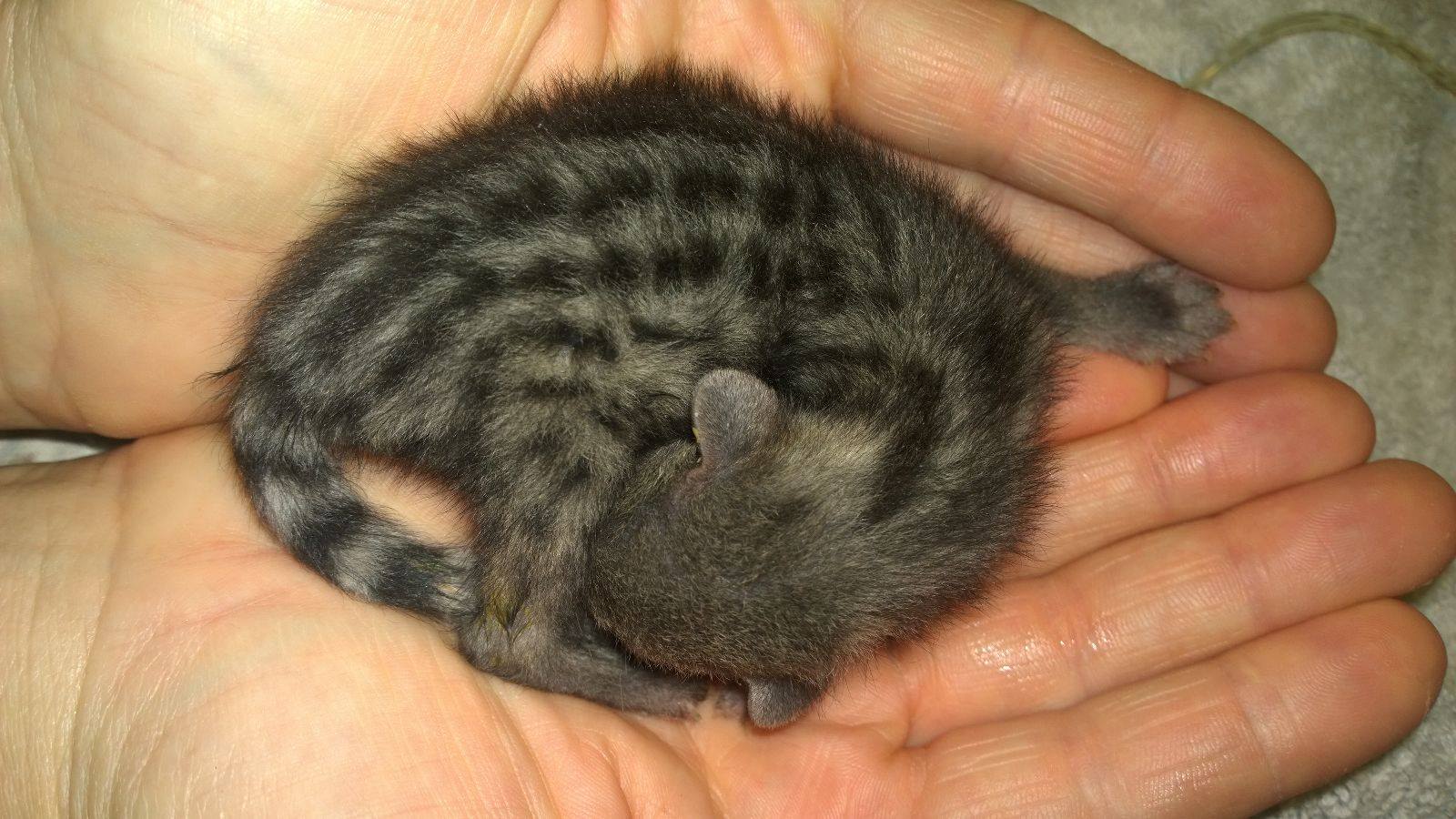
FreeMe Wildlife Rehabilitation Centre in Paulshof has been temporary closed for the first time since its establishment in 1997.
According to a statement released by the National Council of SPCAs (NSPCA), recent staff changes, followed by a number of events and incidents at the centre, called for numerous inspections and meetings by the NSPCA and Gauteng Department of Agriculture and Rural Development (GDARD).
The NSPCA was suddenly overwhelmed by concerns and unhappiness expressed by volunteers and staff regarding the day to day operational side of the centre, changes being implemented, care being provided or the lack thereof and the management of cases.
Also read:
• WATCH: Many birds at Bonaero sanctuary dead: sewage spill could be to blame
• FreeMe gives talk to Girl Guides
The operational permit of FreeMe has become invalid and GDARD closed the centre and called a halt to operations until such time as new proposals and applications have been received and approved.
The temporary closure has forced this wildlife rehabilitation centre, probably the centre with the highest number of intakes in Gauteng, to “take stock” and sort through numerous management and operational issues. The closure will last until all permit and related issues have been resolved.
Rehabilitation of animals must not be undertaken by just anyone; it requires specialist skills and experience to rescue, rehabilitate and release animals, ultimately removed from the wild, back to their natural habitat in such physical conditions where they will be able to feed by themselves, hold territories, find mates and ultimately survive for the next generation, The NSPCA said.
Too many wild animals end up permanently in cages as result of rehabilitation attempts by people with good intentions but whom lack the experience. Anyone involved in rehabilitation of wild animals requires a permit in terms of conservation legislation.
The NSPCA is opposed to any degree of confinement which may cause distress or suffering and firmly believes that wild animals are wild and that’s where they belong.