Disaster resilience is everyone’s business
Over 6000 Ekurhuleni residents attended the event which focused on the use of traditional, indigenous and local knowledge to establish a way for communities to partner with the authorities to reduce their exposure to disasters and raise awareness about the importance of risk reduction
CITY of Ekurhuleni mayor, Clr Mondli Gungubele, has signed the certificate of commitment with the United Nations Office for Disaster Risk Reductions (UNISDR).
The signing ceremony was held following interactive commemorations of the International Day for Disaster Risk Reduction held under the theme “Knowledge for Life” at the Etwatwa Sports Grounds recently.
The mayor said the signing of the certificate was a declaration by the City of Ekurhuleni to be one of the 2 800 cities and towns that have joined the global campaign to make cities resilient by implementing systems that will allow them to respond to disasters effectively.
Also read:
• New disaster management satellite centre opens in Spartan
• Metro, Red Cross to pull together
• ACSA and metro sign memorandum
“Education is key in assisting to clarify issues because when we are knowledgeable about things we can make informed decisions that can save lives and future generations,” said Gungubele during his address at the signing ceremony on Saturday at the Germiston Civic Centre.
“The Disaster and Management Services personnel cannot be the only people responsible for dealing with disasters, but the entire city ought to be well-informed and involved about disaster reduction measures,” added Gungubele.
Over 6000 Ekurhuleni residents attended the event which focused on the use of traditional, indigenous and local knowledge to establish a way for communities to partner with the authorities to reduce their exposure to disasters and raise awareness about the importance of risk reduction.
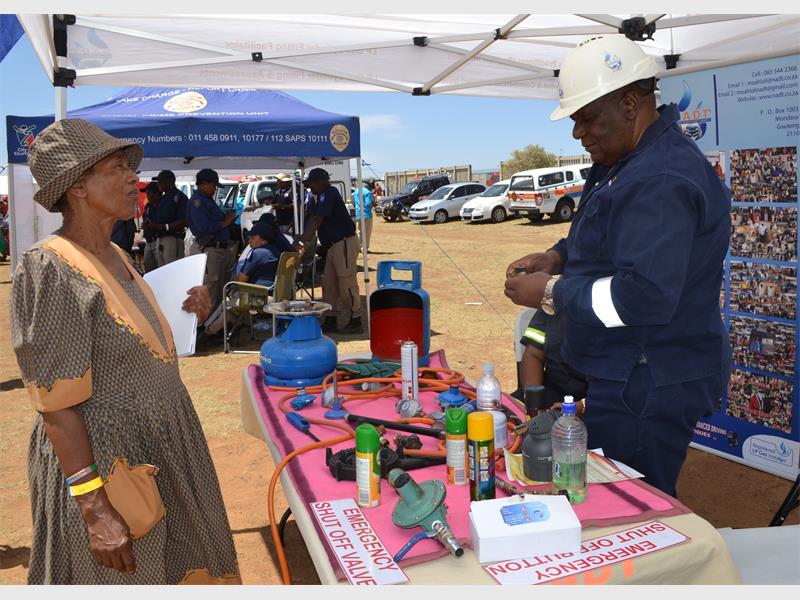
“Things have clearly changed since our times. The fact that we have not experienced rain for months now is danger, but our homes too are filled with hazardous objects such gas stoves and flammable cans. This day is important for us because we are learning how things are done by this generation and we can share our knowledge with them as well,” said 67-year-old Mariam Gwala.
Gwala was amongst the elderly residents who shared their indigenous knowledge and were in turn educated about the effects of climate change, how to respond during an emergency and factors to consider during any form of disaster.
The following 10-point checklist by the UNISDR, which the City of Ekurhuleni will be guided by, are the essentials for making cities resilient:
1. Put in place an organisational structure and identify the necessary processes to understand and act on reducing exposure, its impact and vulnerability to disasters.
2. Identify, understand and use current and future risk scenarios
3. Understand the economic impact of disasters and the need to strengthen financial capacity for resilience.
4. Invest in and maintain critical infrastructure that reduces risk, such as flood drainage, adjusted where needed to cope with climate change.
5. Pursue resilient urban development and design for new infrastructures, hazard-resistant buildings, flood drainage, green areas, etc.
6. Safeguard natural buffers to enhance the protective functions offered by natural ecosystems and anticipate changes from climate trends, urbanisation and planning to enable ecosystem services to withstand these.
7. Strengthen capacity of all institutions relevant to a city’s resilience to discharge their roles in five key DRR areas of understanding, prevention, mitigation, response and recovery planning.
8. Strengthen societal capacity for resilience
9. Increase resilience of infrastructure to cope with disasters.
10. Ensure effective disaster response. Expedite recovery and build back better after any disaster