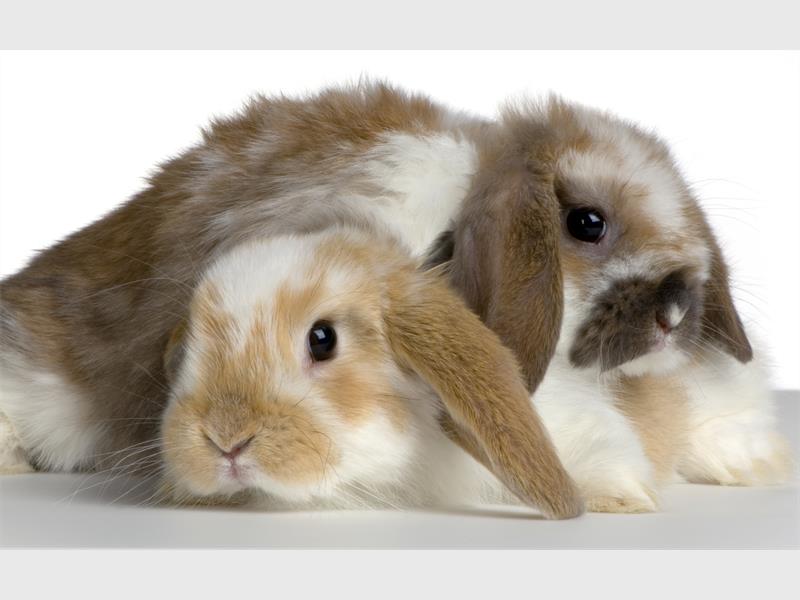
The Chief State Veterinarian and two independent private veterinarians have given the City of Ekurhuleni’s bunny park in Benoni a clean bill of health.
In his report, the chief vet, who is based at provincial level, said most of the animals examined were found to be healthy and no evidence of zoonotic skin (orf) disease of sheep and goats was found as alleged, said Themba Gadebe, metro spokesman.
Orf is an enveloped virus that may survive in the soil. However, in the tropical climates as prevails in South Africa, specifically in Gauteng, the virus cannot survive in the soil – therefore the bunny park soil cannot be infested with the virus.
Also read:
• Pit with dead bunnies discovered at Benoni bunny park
• Metro comes to bunny park’s rescue with R250 000
• Improvements at bunny park but more is needed
The chief vet confirmed that the majority of bunnies exhibited normal behaviour. However, he also noted that there were some that were severely diseased as a result of mange. The vet said they did not see dead rabbits but they had not excavated burrows for evidence of death.
“The overpopulation has caused severe damage to the land and decimated the flora of the park. The high population has also led to inbreeding and a decline in intrinsic immunity in these animals with the resultant outbreak of disease and high parasite loads,” the vet said.
The bunny park was closed for a week to allow the team of vets to assess allegations made regarding the health of animals at the park. Ekurhuleni has welcomed recommendations from the state vet to reduce the population.
Management of the park will request Ekurhuleni Metropolitan Council to approve a plan to sterilise and reduce the population of bunnies, rehabilitate the park and place healthy bunnies in enclosures for public viewing.
While there were no negative findings on other animals in the park such as donkeys, cattle, poultry and aviary, the vet has noted that all pigs were overweight and food intake must be cut to avoid health problems.
In this regard, Ekurhuleni has appointed a nutritionist and went further to determine a fixed feeding schedule in the following manner:
Official feeding times: 8am and noon. The type of food during this period is hay, pellets and vegetables.
However, there is a free flow of vegetables regularly available as well as fresh water and hey 24 hours a day.
The City is currently consulting a nutritionist to determine a diet programme for different animals. At this stage, the animals are fed according to the below diet programme:
Cows: 5kg of pellets, unlimited hay and veggies the size of a wheel barrow per cow.
Donkeys: 5kg of pellets per donkey, unlimited hay and veggies the size of a wheel barrow per donkey.
Sheep and goats: 1kg of pellets per head, unlimited hay and vegetables.
Rabbits: 200kg for all bunnies, unlimited hay and vegetables.
“Furthermore, we need to reiterate that there has always been monthly tests for the water and no irregularities were found. Three boreholes are fully functional,” Gadebe said.
The City has also appointed a consultant to review a master plan on the upgrade of the park, which includes pathways, damns, vegetation, animal shelters, rehabilitation of the area, plating of pastures, upgrade of the irrigation system as well as building an animal sick bay. About R7 million has been made available for the implementation of the master plan over the next three financial years.
The municipality has also overhauled the staff and management of the park.