OVER 2 000 permanent jobs will be created in the City of Ekurhuleni once the 72-hectare train manufacturing plant in Dunnottar, Nigel, has been completed.
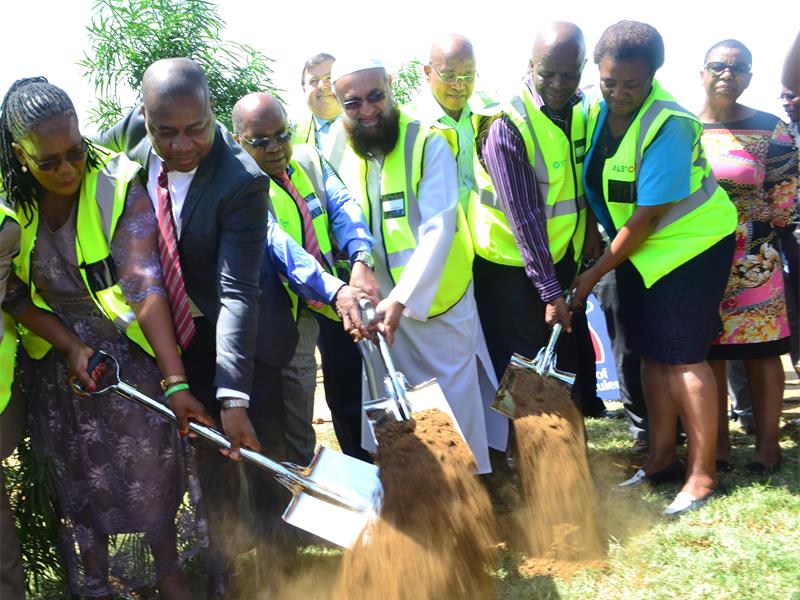
The groundbreaking initiative by PRASA-GIBELA, in partnership with the National Department of Transport and the City of Ekurhuleni, is officially underway following a sod-turning ceremony in Dunnottar on March 4.
The project, which is part of the national passenger rail modernisation programme, is also in line with the City’s re-industrialisation agenda and is expected to benefit local emerging industrialists and artisans by empowering them with specialised industrial skills.
Speaking at the ceremony, executive mayor Clr Mondli Gungubele expressed his pleasure at the commencement of the mega project.
“The establishment of this plant is a great milestone for the City. Zoning such a big space of land for such an initiative gives one a sense of relief knowing that it is for the benefit of our people. The job opportunity projections and the economic boost that will be brought about by the existence of this plant in our City speaks volumes,” he said.
The plant, valued at about R1 billion, will enable PRASA to have new trains manufactured and maintained locally. The manufacturing of components for the new trains will also take place at the facility, which has a capacity to produce 580 trains or 3 480 coaches.
Several kilometres of rail network, including a 1.2km test track, have been included in the design in order to test complete test train sets at speeds of up to 132km/h, which is on par with international testing facilities.
Out of the 72 hectares of land set aside for the main plant, about 30 hectares have been reserved for a supplier park. This will house all the suppliers to the main manufacturing plant which are made up of SMMEs specialising in various areas of rail-related manufacturing. Within the next 10 years, the supplier park will become a Centre of Excellence for Train Manufacturing.
“All the training at the plant will be undertaken by Gibela, which means that South Africans will benefit from world class skills within the rail industry.