
Put sleeplessness to rest
Prolonged inadequate sleep has several effects on an individual’s psychological and physiological function
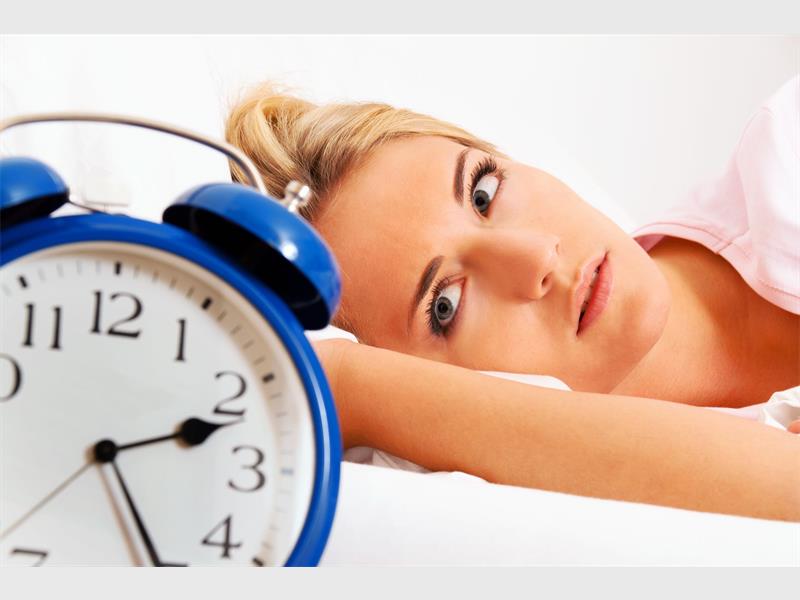
FOR many people, enjoying a good night’s sleep is but a pipe dream.
Instead of being whisked away to dreamland when tucking into bed and sleeping soundly the whole night through, many dread the mere thought of going to bed – because of sleeplessness.
Sleep disorder
Sleep dysfunction, explains Dr Shaheen Kader, a psychiatrist at Akeso Clinic Milnerton, may either result from a primary sleep disorder or it may be the secondary result of a psychiatric or other medical condition.
The most common sleep disorders usually include insomnia, sleep-related breathing disorders, central disorders of hypersomnolence, circadian rhythm, sleep-wake disorders, parasomnias and sleep-related movement disorders.
Syndromes, classification systems
According to Kader sleep disorders are common and often go unrecognised.
“In adults the most common disorder is primary insomnia disorder. While different sleep disorders tend to affect demographic segments differently, there are disorders for children and adults that are equally prevalent.”
Some people are more likely than others to develop a sleep disorder. Males and individuals with obesity, for example, are more likely to develop breathing related sleep disorders. Patients with depression and other severe mental illnesses are more likely to have a comorbid sleep disorder. And certain sleep disorders, such as narcolepsy, are associated with a genetic predisposition.
Psychological effect
Prolonged inadequate sleep has several effects on an individual’s psychological and physiological function, according to Kader.
“Sleep deprivation results in mood irritability, diminished cognitive function such as impaired attention, concentration and memory. Physiologically, lack of sleep results in higher levels of the hormones norepinephrine and cortisol which are associated with stress and lower levels of thyroxin which is responsible for maintaining a normal metabolic rate.
“This results in physical changes in appearance (often a debilitated appearance), feelings of lethargy and a significant change in appetite.”
Learning ability
Dr Deon van Wyk, academic, psychologist and author of the parental guide, Study without Stress, says it most important that children and young adults, in particular, get sufficient, deep sleep in order to study optimally.
“Numerous experiments with students on sleep deprivation consistently show the sleep group outperforms the non-sleep group by about 3 to 1.
Impact of dreams, nightmares on sleeping patterns
Dreams are internally generated conscience experiences that seem vivid and real. Dreams can also have an impact on sleeping patterns, Kader points out. Pleasant dreams do not usually impact negatively on an individual’s subjective experience of sleep. Nightmares, however, do create a negative subjective experience of sleep. This may result in anxiety to sleep or even a fear to sleep.

Tips to improve sleep hygiene
• Sleep only as much as you need to feel completely rested.
• Get out of bed immediately once you are awake (say no snooze alarms).
• Avoid force sleeping.
• Keep a regular sleep schedule.
• Exercise regularly for at least 20 minutes. This should be done preferably 4-5 hours before bedtime.
• Avoid caffeinated beverages after lunch.
• Avoid alcohol near bedtime: no “night cap”.
• No smoking within four hours of bedtime.
• Avoid prolonged use of light-emitting screens before bedtime (TV, laptop, iPad).
• Do not go to bed hungry.
• Ensure your bedroom environment is comfortable and dark once the bedroom lights are switched off.
Information supplied by Akeso Clinics