
Water shedding of the water supply might soon become a reality in Ekurhuleni.
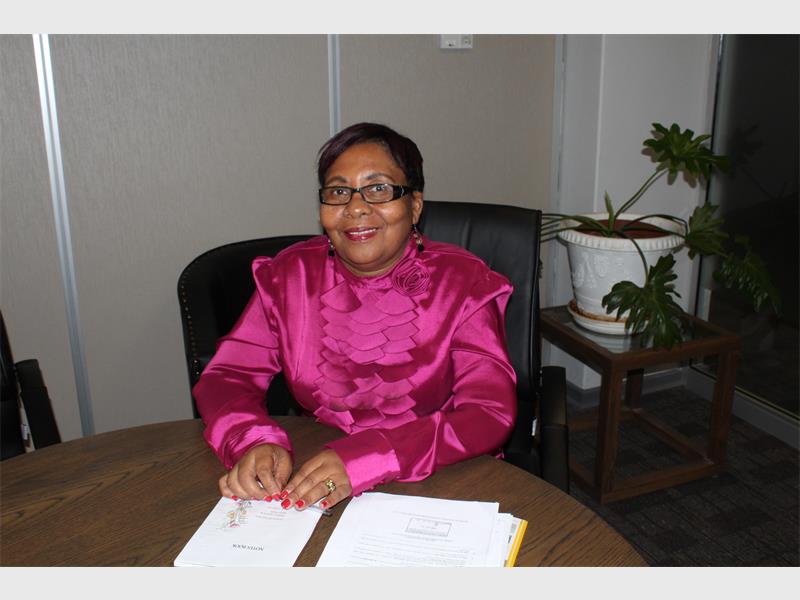
During a meeting with Clr Tiisetso Nketle, the member of the mayoral committee (MMC) for water, sanitation and energy, last weeks she explained to Benoni City Times that the water supply to the metro’s feed from the Vaal Dam had been rationed.
Nketle confirmed that, as of October 20, the Vaal Dam was 27 per cent full. She said once the water level reached 20 per cent, by law, no more water may be distributed from the reservoir.
“At such low levels it is too muddy and it must be allowed to replenish,” she said.
Also read:
• You can split on your neighbour wasting water
• Water restriction: Are they applied fairly?
• Water restrictions – save or pay up
“We hope not to reach that point, and as a precaution, Rand Water has limited the metro’s feed from the dam.”
Ekurhuleni’s ration, which should come into effect on October 28, will be 828 631 thousand litres (kl) a day, whereas the city currently uses about 974 860kl a day.
Sputnik Ratau, spokesperson for the national department of water and sanitation, told the City Times the Vaal Dam would be fed from other reservoirs, primarily the Sterkfontein Dam, which is 90 per cent full, to prevent a drop to 20 per cent.
“We will manage the Vaal Dam until it reaches 25 per cent, after which water from other dams will be brought in,” Ratau said.
He said Sterkfontein Dam should be sufficient to replenish the Vaal Dam until enough rain falls, early next year, but warned that it is still an extreme measure and should be avoided by reducing consumption.
To bring Ekurhuleni’s consumption down to fit within the ration, water shedding will be applied in the metro soon. Nketle said she and the mayor, Clr Mzwandile Masina, are due to sign off a plan to impose hydro-shedding this week.
At the time of going to print, the details of the plan had not yet been finalised.
The MMC said the water restrictions currently in place would not be amplified to achieve the necessary savings. As of Monday, October 17, Ekurhuleni has reduced its water consumption by 3.7 per cent since imposing the restrictions, well below the required 15 per cent.
On August 12, the national department of water and sanitation gazetted that metros fed from the Integrated Vaal River System were required to reduce their water consumption by 15 per cent. Nketle confirmed this and said it was the prerogative of each individual municipality on how the 15 per cent saving would be achieved.
According to her, the limits on water consumption will be reviewed in May next year, or earlier, depending on various factors, including rainfall and the amount of savings achieved. “The scarcity of water may continue until 2024, when the Polihali Dam, which is the second phase of the Lesotho Highlands Water Project, will be completed,” she said.
The project will supplement the sources of the Vaal Dam, which are currently not enough to keep the reservoir full. “We plead with residents to save water and to report leaks and transgressors to us,” Nketle added.
“We all need to co-operate to reach the requirement of a 15 per cent reduction in consumption.”
As many residents have complained about the damage to swimming pools and their gardens, due to the nature of the restrictions, the MMC was asked for a response to these concerns. “Water is life, if you don’t drink it, you’ll lose your life, and its function in that respect can’t be substituted,” she said.
“A swimming pool is a luxury and gardens can be re-grown once the situation (drought) normalises. People have to understand this is real and serious, we are faced with a natural disaster situation. We must work together to save and we must pray for rain.”