
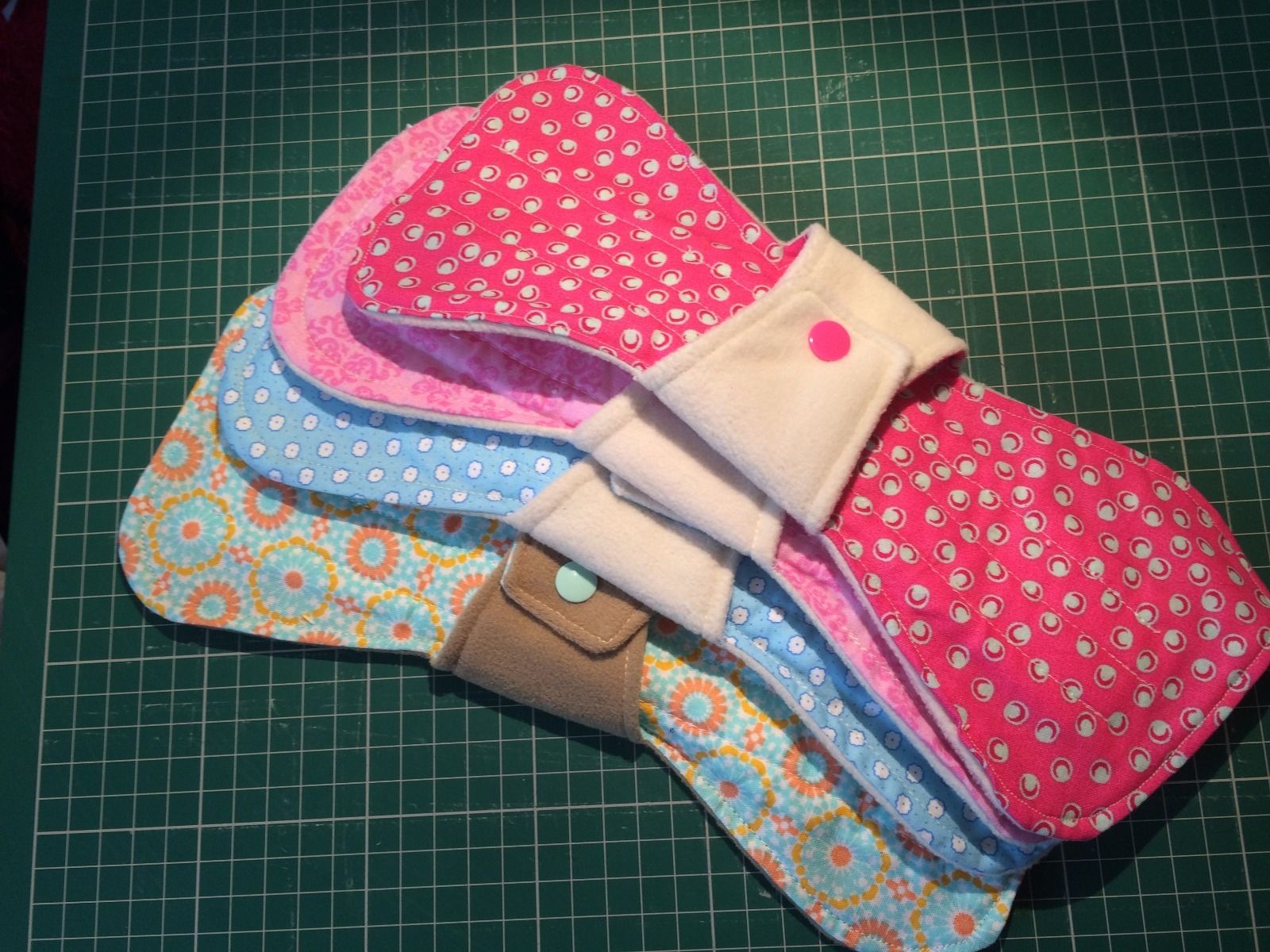
THE Ekurhuleni metro will soon look into the possibility of providing free reusable sanitary pads.
That follows a motion to provide free reusable pads for women who can’t afford to buy disposable ones, proposed by the DA’s Mathew Cuthbert during October’s monthly council meeting in Germiston.
According to Cuthbert, the project would be a first in Ekurhuleni and would attempt to fill the gaps left behind by the Gauteng provincial government’s Dignity Pack programme, by providing universal access to sanitary products for women of all ages and not only those of school going age.
Cuthbert explained that many women in Ekurhuleni do not have adequate access to feminine hygiene products such as sanitary towels and tampons.
It’s imperative, he said, that women who aren’t of school going age, are not economically excluded from accessing feminine hygiene products.
“A woman can’t control whether or not she has her menstrual cycle and most importantly, her socio-economic background shouldn’t determine whether or not she’s able to access feminine hygiene products,” Cuthbert said.
“Due to the lack of access to these products, women are often forced to use toilet paper, newspaper, old clothes and rags and in the most extreme of circumstances – previously soiled sanitary pads. This can be very detrimental to their health and can result in various infections. It is often an embarrassing topic of discussion, further isolating and alienating the poor from society.”
With an ordinary pack of about ten sanitary products costing on average R20 to R30 – and bearing in mind that during an average period a woman uses about 22 pads per period – many women who are unemployed or are living on minimum wage, cannot afford these prices.
Mail and Guardian published an article by feminist writer and researcher Jen Thorpe in 2011, about women’s menstrual cycles and the cost of sanitary products. Thorpe found that “in her lifetime, the average woman uses 11 000 tampons or 22 sanitary products (pads or tampons) per period. In South Africa the average tampon costs about R1.50 each (yes, that means R33 a period, or R16 500 in her lifetime) and a pack of 10 sanitary pads costs R18 (which translates to about R36 a period, or R19 800 in her lifetime),” Thorpe wrote.
But that was in 2011. Since then, the rise and fall of the economy has affected the price of many products, resulting in the increased cost of basic necessities such as sanitary products.
Over and above the cost, sanitary towels sold at shops are disposable and can only be used once.
Cloth sanitary pads are washable however and therefore reusable – and can last up to five years.
“The DA is hopeful that the metro will find a more financially sustainable solution to alleviate this problem in our communities. The department should also look at the various models already in place and working in government and NGOs, to see if there are any best practices that can be replicated at local level.”
MMC for Community Services Dorah Mlambo concluded that the metro would conduct research into the possibility of providing free reusable sanitary pads/ towels, at community-based clinics.