

What to do at the scene of an accident
Below are some tips to help you should you encounter a road-related incident
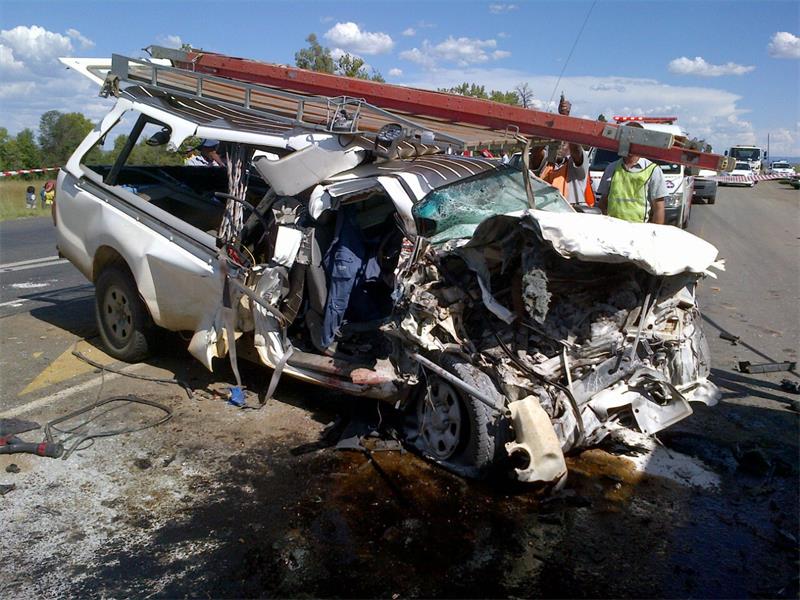
DO you know what to do if you’re involved in a collision?
You could be involved in a collision at any time and it’s best to know, what you should and shouldn’t be doing.
ER24 urges people to be prepared.
Below are some tips to help you, should you encounter a road-related incident:
• If you’re involved in a collision, stop the vehicle (in cases where you are uninjured or have sustained minor injuries; and assuming that the vehicle is still in working order, in cases of bumper bashings etc).
• Don’t leave/flee the scene. Get your vehicle to a safe area on the side of the road if possible, to avoid further possible incidents.
• Give your name and address, the name and address of the owner of the vehicle – where necessary -as well as the registration number and your driver’s licence details, where required to do so. Report the incident at a police station within 24 hours.
• While on the scene of a collision, try to stay calm. Assess the situation to determine the best way to handle it. Make use of hazard lights and an emergency triangle, to alert passing motorists.
There are instances where secondary collisions occur. Hence, you should ensure scene safety. Assess traffic flow and determine if it poses a danger to anyone, including those involved in the collision – or others around the scene.
• Ascertain the nature or extent of the incident – is everyone who was travelling in your vehicle accounted for (people could have been ejected from the vehicle for example). Are people who were travelling in the vehicle you were in, injured? Are people in other vehicles involved in the collision injured? Are people trapped in vehicles? Is there a fire? Are patients lying on the road?
• Call emergency services immediately, or instruct someone to do so immediately. You should always have important contact details, such as emergency services and the police, stored on your phone.
ER24 has a dedicated 24/7 emergency contact centre, that enables you to request an emergency vehicle telephonically. Call 084 124 in case of an emergency. Remember that the information you’re requested to provide and the information you supply, is often the first point where a life can be saved.
• Where first aid is needed, start immediately if you’re able to do so. You should always carry a first aid kit in your vehicle. If a patient you are with, is unconscious – open their mouth to check if there’s something inside that’s causing an obstruction.
Check if the person is breathing. If the patient is breathing, leave them in the position you found them in and monitor them. If the patient isn’t breathing and you’ve been trained to do so, initiate CPR.
• If a wounded person is bleeding heavily, take gauze or sterile dressings from the first aid kit and place it on the wound. If gauze or sterile dressings aren’t available, use a towel, t-shirt or blanket for example. Press the gauze or other material tightly, applying direct pressure to the wound. Maintain that pressure until emergency services arrive.
Don’t stop pressing to check if there’s continued bleeding, or to look at the wound.
• Never move an injured person, unless for their own safety (for example, if the vehicle is on fire or if there are other threats). Remember that moving a person could make their condition worse, hence it’s not advisable unless vital to do so.
• If there’s a fire, use a fire extinguisher. You should always carry a fire extinguisher in your vehicle and also know how to use it.
• Remember that while it’s important to assist a patient, you should also ensure your safety. Don’t attempt anything that may jeopardise your own safety. You’re of no use to anyone, if you’re injured while attempting to help others.
Also remember, never touch a person’s blood or try to assist them without proper protection, such as gloves.
• Remember to guard children or ensure that they’re safe or supervised, at an accident scene.
Other important information:
If you’re a passing motorist, pay attention to the road ahead, slow down and drive cautiously.
If you stop to assist patients, ensure that you stop your vehicle in a safe area, where you do not pose further danger or an obstruction. Everyone should go for first aid and CPR courses.


