
Six confirmed cases of measles reported in Johannesburg
Measles is highly infectious and spreads rapidly from person to person
The National Institute for Communicable Diseases (NICD) has confirmed six cases of measles in Johannesburg, as at March 15.
The cases were mostly among primary school children, previously unvaccinated against measles.
“Additionally, there has been one confirmed case of measles in Rustenburg, North West province. These cases follow a confirmed outbreak of measles in the Western Cape in the first few months of this year, currently totalling 29 cases.
“In Gauteng, [children in] the affected school have been vaccinated and plans are underway for a province-wide vaccination campaign targeting children less than five years, with inclusion up to 15 years for the affected sub-districts.”
The NICD also urged all schools, créches and health facilities countrywide to be on the lookout for measles.
Measles symptoms
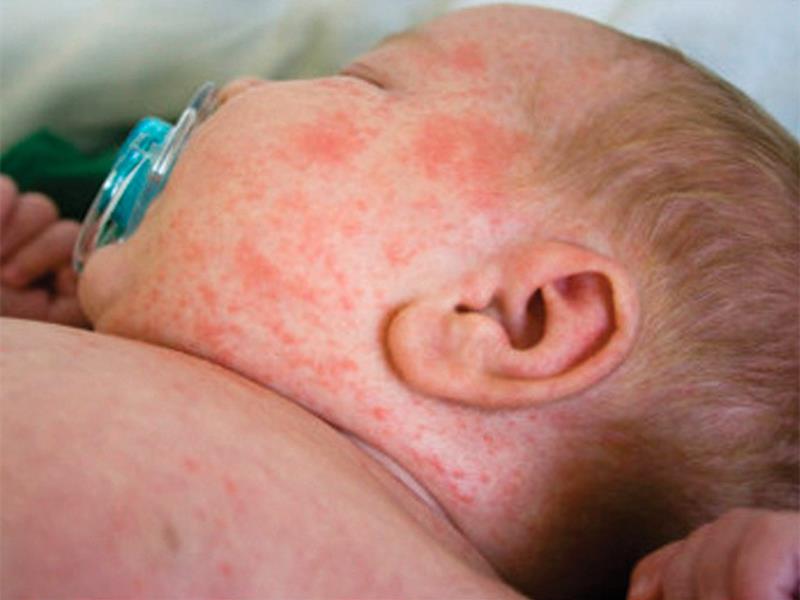
Measles symptoms include fever, rash, cough, conjunctivitis (red eyes) and coryza (flu-like illness).
Measles is highly infectious and spreads rapidly from person to person. People with measles can spread the disease from four days before the rash until four days after the rash onset.
Complications can include diarrhoea, dehydration, brain infection (encephalitis), lung infection (pneumonia) or death. Anyone of any age can catch measles. Young children under two years of age are at highest risk of complications from measles.
Measles is preventable through vaccination, which is safe and highly effective at preventing the spread of measles.
The vaccines are routinely given at six and 12 months of age in the public sector, and at 12 months of age (as part of measles, mumps, rubella vaccine) in the private sector.
It’s never too late to vaccinate
If vaccine doses have been missed, it is never too late to vaccinate against measles. Even if all vaccinations are up to date, measles vaccine boosters can be given at any age.
The NICD urged anyone who is concerned they may have measles to visit their doctor or nurse and ensure they have a blood test for measles.
“Without a blood test, measles cannot be differentiated from other rash illnesses, such as German measles.” – SAnews.gov.za