
Guide-dogs: how they are trained to help the blind
SA Guide-Dogs Association for the Blind endorses International Assistance Dog Week this week.
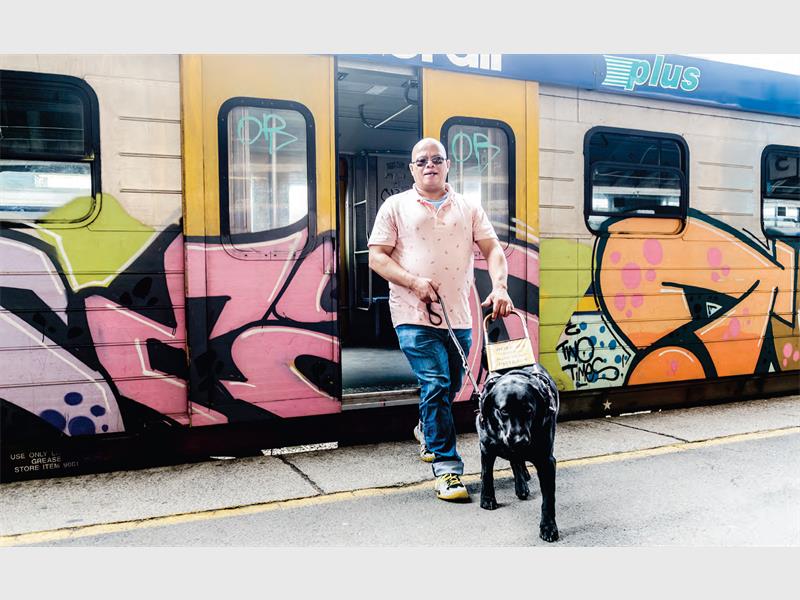
The SA Guide-Dogs Association for the Blind (GDA) is celebrating International Assistance Dog Week from Augsut 5-11.
The initiative aims to make citizens aware and proud of GDA’s own guide, service and autism support dogs, changing the lives of people who are differently-abled every day.
GDA founder Gladys Evans, who had failing eyesight, brought the first guide dog Sheena onto the African continent after training at the Guide Dogs for the Blind Association in the UK.
Evans established the SA Guide-Dogs Association for the Blind in Johannesburg in 1953. Since those early days, the association has gone from strength to strength and now has a training centre in Cape Town.
Assistance dog breeding lines are carefully selected to produce the best possible dogs. Each puppy’s first year is spent in the family home of a volunteer puppy raiser, where the pup is thoroughly socialised before it returns to the association at age 12-14 months for formal training.
All applicants and dogs are carefully matched to one another according to factors such as size, working requirements and personalities. Training of a guide dog and a recipient is first done at the association’s residential training centres for two weeks, followed by aftercare training to assist the partnership at home and with routes in the neighbourhood for another two weeks or until they are working safely and confidently.
The association is also training dogs to assist people with disabilities other than visual impairment. Service dogs and autism support dogs are trained and able to perform a variety of basic tasks designed to bring independence and companionship to their owners.
The service dog becomes the physical extension of their recipients by retrieving dropped items, turning on light switches and much more, while the autism support dog plays a physical role in preventing an autistic child from wandering away when distracted.
Owning an assistance dog is a life-changing experience for someone with visual or physical impairment, or developmental needs – in an all inclusive package of independence, mobility, companionship and dignity – a priceless gift.
Receiving no government funding, the association operates entirely on donations and sponsorships. People truly are wonderful in the extent of their caring and in their generosity, which make assistance dogs possible.
To find out about how GDA can make a difference in your community through either a guide dog for a person who is visually impaired, a service dog for a person who is physically disabled or an autism support dog for children between the ages of five and 12 years, visit the association’s website and social media platforms.