
How to jump-start your car the safe way
Some newer models don’t allow jump-starts at all and you could risk voiding your warranty if you attempt it.
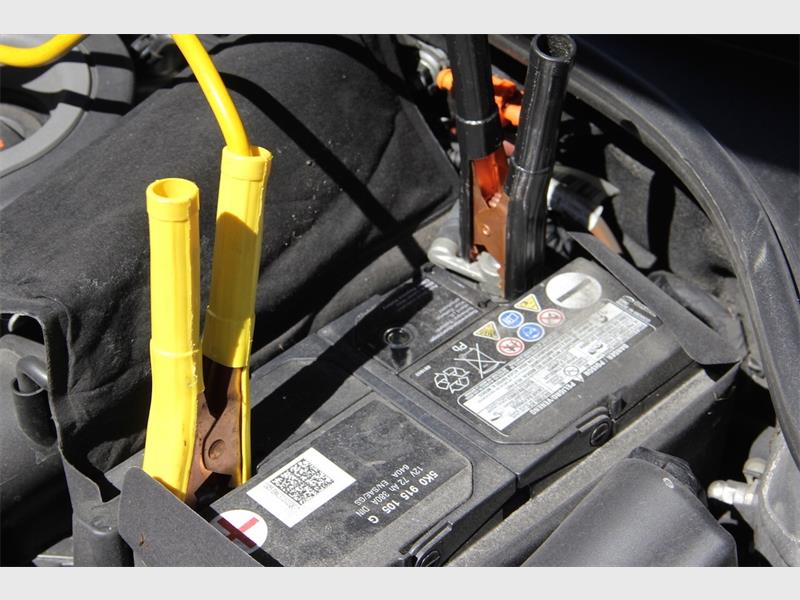
Although jump-starting is the go-to solution for a flat battery, most drivers don’t know it can be dangerous if done incorrectly.
Before hauling out the cables, consult Battery Centre’s step-by-step guide on how to jump-start your car the right way:
1. Safety check
Firstly, read the car manual. Some cars have specific procedures for jump-starting. This may include information on the location of the battery (it may not be in front). Some newer models don’t allow jump-starts at all and you could risk voiding your warranty if you attempt it.
If you can, wear gloves and eye protection. Vehicle batteries contain sulphuric acid and other chemicals which can be dangerous. Keep a torch shining on the engine if you’re jump-starting in the dark to ensure cables and any other parts are kept out of harm’s way when the engine turns on.
2. Use quality jumper cables
Use only high-quality cables that are in good working condition, colour-coded and at least 2.5m long. Cables in poor condition can cause sparks and fires.
3. Prepare the cars
Once both cars are ready, prepare to hook the cables. Make sure the cars aren’t touching (this can create a shock) but are parked close enough for the cables to reach both batteries.
Switch off electronics in both cars, including radio, aircon and any accessories that drain the battery. Turn off the ignition in both vehicles – this prevents electrical overload.
4. Hook the cables
Hook the cables in the right sequence. Start by identifying the positive (+) and negative (-) terminals on each car’s battery. Double check this before you actually connect the cables, or you could cause serious damage to the vehicles’ electrical systems.
Once the cables are prepared, connect a red cable to the positive (+) post of the flat battery and connect the other end of the cable to the live battery’s positive (+) post. Also connect the end of the black cable to the live battery’s negative (-) post and connect the other end to the engine of the car with a flat battery.
Move away from the open hoods and start the engine in the live car first. Wait a few minutes, then try to start the other car. If the car doesn’t start, switch off and re-check the connections. Once you get a start, leave the car running for at least 20 minutes to recharge the battery.
5. Consult the specialists
If your car fails to start after a few attempts, it could mean your battery is faulty or needs to be replaced. This could be a broken fuse, corrosion or a faulty alternator or start connection. Most car batteries last for three to five years and should be replaced regularly thereafter.
Information supplied by Battery Centre