
Hospice urges care-givers to be extra careful during Covid-19 pandemic
Hospice advises caregivers of life-limiting illness patients to follow head office protocol
Hospice East Rand is set to ensure proactive care in the light of the threat posed by the coronavirus, especially to those with predisposed illnesses and compromised immune systems.
This is in line with the general Hospice East Rand Covid-19 protocol.
Jonquil Siepman, spokesperson for Hospice East Rand, laid out the ground rules for those in palliative care in terms of Hospice’s service.
“We can assure you that our doctors, sisters and caregivers are all taking the necessary precautions to ensure the safety of your loved ones during our visits.
“Each staff member is monitored very closely and should anyone from our team show signs or symptoms of the virus we do have backup team members who will fill in.”
She said for those living with a life-limiting illness there were legitimate concerns for their health during the coronavirus pandemic.
“Frail and elderly people living with serious underlying chronic and life-limiting illnesses (our core palliative care patient population) are most at risk from Covid-19.”
For Hospice, the two main concerns during these strict protocols would be the person with a life-limiting illness or their carer contracting the virus. These are very normal concerns for Hospice and following these steps can minimise the chances of contracting the virus:
1. Social distancing is first and foremost.
This is both for the patient and the caregiver. While control of pain, other symptoms, psychological, social and spiritual concerns are paramount, in these unprecedented circumstances we need to ensure that the patient and caregiver do not come into contact with anyone who may have been exposed to or who is carrying the virus.
This includes people with a recent travel history or those who display flu-like symptoms.
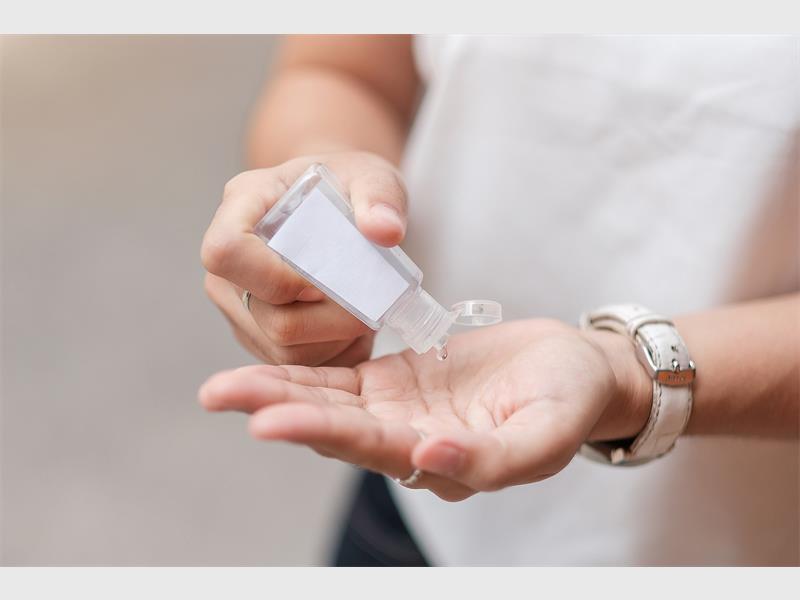
2. Both patient and caregiver must wash their hands with soap and water and sanitiser often and do so for at least 20 seconds before rinsing. Ideally the carer should wear gloves when interacting with the patient and these should be disposed of immediately, followed by hand washing.
3. Cover your mouth and nose with a tissue or your sleeve (not your hands) when you cough or sneeze. Ideally masks should be worn by the patient and caregiver.
4. Put used tissues in the bin straight away and wash your hands afterwards.
5. Minimise touching of either yours or the patient’s facial area (eyes, nose, mouth).
“It is a good idea to have a backup plan should you as the caregiver contract the virus. Have someone who would be able to take over duties and communicate with that person often to ensure they understand what care is required,” Siepman advised.
She added that should any substitutes accept this responsibility, they ought to be reminded to practise social distancing as well.
“Together we will ensure the continued best quality care and practices in navigating this journey with both of you. “