
Alcoholism awareness campaign launched by Mgcina
Alcoholism is an illness, according to Rosina Masoa, director of social benefits in the Department of Social Development.
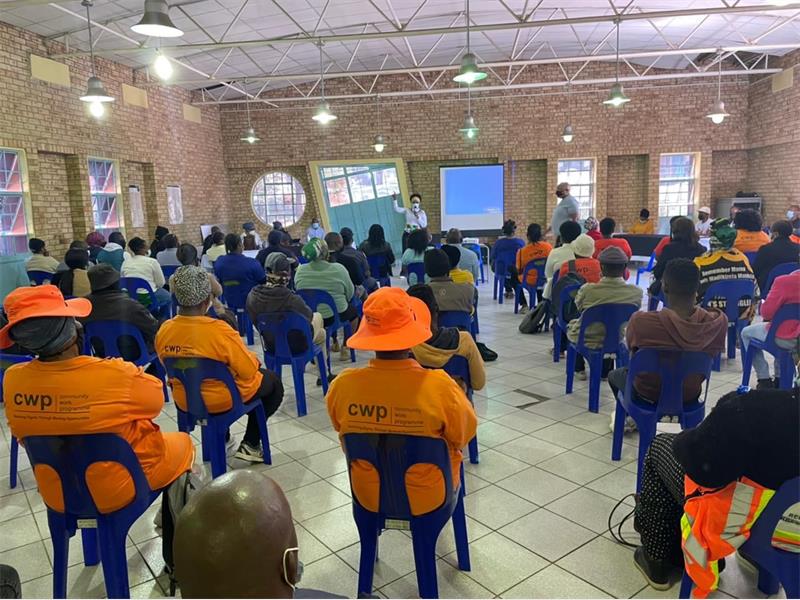
Clr Eunice Mgcina, a member of the Mayoral Committee responsible for Health and Social Development in the City of Johannesburg, formally started an alcoholic awareness campaign in Ivory Park, north of Johannesburg, on September 17.
Mgcina, who was accompanied by city officials, ward Clr Spiwe Makamo, NGOs, and faith-based organisations, said she was encouraged to see Ward 79 residents come out in large numbers to hear for themselves as the City engaged communities on addictions.
“We are bringing this campaign to Ivory Park against the backdrop of the commemoration of World Foetal Alcoholic Day, which was observed just last week on September 9.
“We are also going to be taking this campaign to all our communities throughout the city in all regions to create awareness and to educate residents about the dangers of alcoholism, narcotics and other substances to save lives,” said Mgcina.
ALSO READ: SAPS nabs three in drug-related crimes
She urged residents to use the city’s 24-hour Substance Abuse and Gender-Based Violence Crisis Line for help on 0800 223 217.
Alcoholism is an illness, according to Rosina Masoa, director of social benefits in the Department of Social Development.
She also provided research findings showing that the City of Joburg has the highest rate of alcohol use in Region A, at 37.1%.
Mandla Mbatha, a recovering addict from Tranquility Clinic and the reality show Uyaphuza, advised the community to be patient and treat users with compassion, rather than calling them names like “bo nyaope” (addicts).
He claimed it has the potential to shatter their hopes of ever recovering and being welcomed back into society.
“Adults must become role models and encourage the addicts to stop abusing drugs and alcohol. We should all get involved and work with organisations such as Sanca, the CoJ’s Social
“Development Department, the police, faith-based bodies and local structures in finding ways to help the users,” said Mbatha.
“We are patients like any other, we just need help and be treated like any other patient who needs help, not to be called names,” he said.
Ouma Phakwago-Mashala, a representative from Gauteng Liquor Board, said they have implemented strict regulations for issuing of liquor licences to curb the abuse of alcohol in the communities.“We warn those who sell alcohol to underage kids and visibly pregnant women that they will face the full might of the law. We will revoke their licences and blacklist them.”
Mgcina and her team then visited Thuthukani Treatment Centre, which is a community-based treatment centre operating within the primary health care clinic premises.
It is one of the six established to promote access to treatment services within communities.