
Drug rehabilitation movement gives hope to families in Thembisa
The Tembisa Drug Rehabilitation Movement (TDRM) continues to support families in Difateng and Thembisa, helping individuals struggling with substance abuse begin their journey to recovery while promoting community awareness and parental involvement.
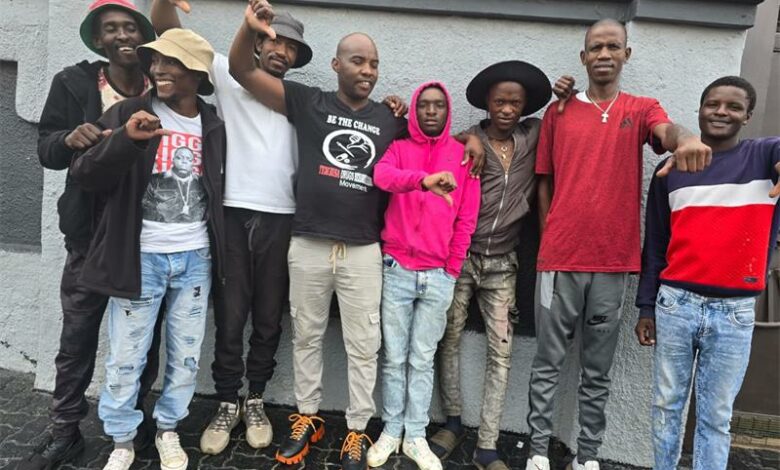
For the betterment of the communities of Difateng and Thembisa, the Tembisa Drugs Rehabilitation Movement (TDRM) continues to offer hope to families affected by substance abuse, proving that recovery is possible and that those battling addiction can be accepted back into society with courage and commitment.
At the start of 2026, 10 young men were admitted to rehabilitation facilities through TDRM’s efforts.
Among them were two individuals from Alexandra and one from Heidelberg, all of whom have begun their journey towards recovery under the organisation’s guidance.
ALSO READ: Tembisa drug rehabilitation founder hosts Christmas charity drive in Madelakufa
Speaking during the send-off of the group, TDRM founder Thato Matome said the movement draws strength from parents who are desperate to see change, not only in their own children but in communities across South Africa.
“Through the never-ending support of wounded parents who want to see change in their children, and in all children affected by substance abuse, we continue this fight,” said Matome.
“We believe that if one child in a family is affected by drugs, then we are all affected. Drugs destroy families, bring crime into our communities, and damage our country.”
He said TDRM remains committed to standing with parents who have reached a breaking point.
“We will always stand together with parents who say enough is enough.
“Drugs bring misery, crime, slavery, violence, and death to our families and communities, and we will continue fighting this battle for the sake of our future leaders,” he said.
ALSO READ: Tembisa Drug Rehabilitation Movement marks three years of fighting addiction
Matome’s work has spanned several years, during which he has tirelessly supported parents and families in their efforts to help children escape drug addiction.
While some individuals relapse and others remain committed to recovery, Matome has remained steadfast in his mission.
His efforts have made him a source of hope for many families, particularly mothers who see his programme as a lifeline for children struggling with addiction.
TDRM hosts weekly support sessions every Tuesday, which are open to community members seeking help or guidance.
Attendance at these sessions is voluntary, and no one is forced into rehabilitation.
According to Matome, individuals who enter rehabilitation through TDRM do so only after accepting the need for change themselves.
“Everyone who goes to rehab through our programme first attends the weekly sessions and makes a personal decision to change before taking the next step,” he said.
Through consistency, compassion, and community support, the Tembisa Drug Rehabilitation Movement continues to play a vital role in restoring hope and rebuilding families affected by substance abuse.