
Melville Koppies fire highlights role of fire in grassland survival
An unplanned fire raged through Melville Koppies.
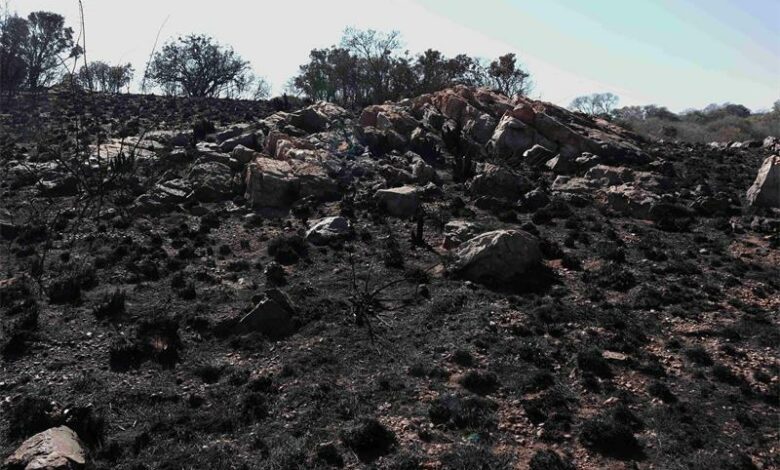
A fire that swept through Melville Koppies on July 17 left parts of the nature reserve scorched, but conservationists say the flames are part of the natural cycle that allows grasslands to regenerate.
The unplanned fire started on Friday afternoon and quickly spread through the reserve and into Melville Koppies East, burning large areas of grassland.
The cause of the fire remains unknown.
ALSO READ: Melville Koppies visitors leave with glowing feedback after nature experiences
The blaze was eventually brought under control late that afternoon by MSI (CREASS), supported by fire trucks from Roodepoort and Florida.
Following the fire, residents raised concerns about the impact on the fauna and flora in the reserve.
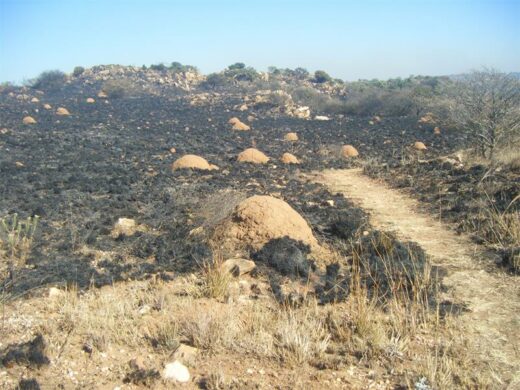
According to Melville Koppies, fire plays an important role in maintaining grassland ecosystems, particularly in smaller reserves such as Melville Koppies, which do not have large grazing animals such as buck to help manage vegetation.
Without periodic burning, decaying grass and plant material can prevent new shoots from growing and reduce the diversity of smaller plants growing among the grass. Over time, this can allow other vegetation, including trees, to encroach on grasslands.
ALSO READ: New technology brings ancient Melville Koppies smelter to life
Grassland species have adapted over millions of years to survive fire.
Many plants store nutrients underground in bulbs and thick root systems, while others become dormant during winter. Some species even rely on fire or smoke to stimulate seed germination.
The fire does not mean all wildlife has been lost, according to Melville Koppies. Many smaller creatures have natural ways of escaping flames, with flying insects moving ahead of the fire, termites retreating deep into their colonies, and animals such as mice, mole rats, snakes and hedgehogs sheltering underground.
Although the landscape may look different immediately after the fire, Melville Koppies said visitors can expect to see the reserve transform over the coming months.
ALSO READ: Melville Koppies invites families for scenic hikes and storytelling sessions
The flames have exposed rock formations that are usually hidden beneath grass, while new green shoots will soon emerge. By spring, the grassland flowers are expected to return as part of the natural regeneration process.
“Grasslands have been on earth for about 30 million years, and many plants have adapted to fire over that time,” read a statement by Melville Koppies.
Visitors can follow the reserve’s recovery on social media using #melvillekoppies.
Melville Koppies is open every Sunday morning from 08:00 to 11:30. Entry fees are R100 for adults, R50 for visitors under 18, while children under five enter free.
Visitors can book guided tours to learn more about how fauna and flora adapt to fire, attend storytelling sessions on the second Sunday of each month, or join the 8km hike held on the last Sunday of every month.
All income generated from visitors is used to maintain the reserve.
Additional security is provided on Sundays, and visitors can park or be dropped off at Marks Park, Judith Road, Emmarentia.
For more information, visit www.mk.org.za, call 066 571 9539 or email friendsofmelvillekoppies@gmail.com.