Prevent drowning by heeding these important tips
The festive season has started and at this time of the season, temperatures rise in the southern hemisphere.
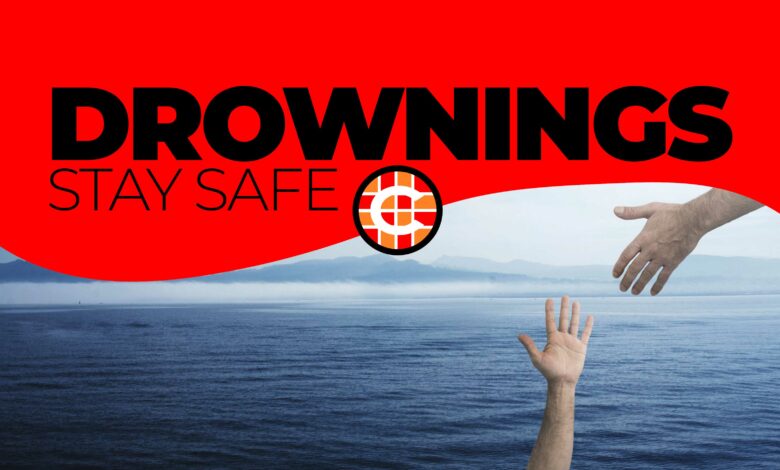
The high temperatures and outdoor activities associated with the festive season necessitate a need for many to use water for body cooling. This is in addition to those who use water for spiritual rituals. Ekurhuleni Disaster and Emergency Management Services (DEMS) spokesperson William Ntladi highlighted those who do not have swimming skills need to be aware of the danger of drowning when getting into the water. This is more so for children who need constant supervision around water where parents must take extreme precautions to ensure their children’s safety.
Unfortunately, as many people participate in swimming and other water-related activities, so does the number of unfortunate drowning incidents. Drowning is described as ‘ the process of respiratory impairment from submersion in liquid’.
Drowning can be categorised into different types:
• Near drowning.
• Dry drowning.
• Freshwater drowning.
• Saltwater drowning.
• Secondary drowning.
Common causes of drowning include:
Lack of supervision: Wherever people are swimming, there should always be a lifeguard or an adult with swimming skills or water rescue skills.
Lack of swimming ability: Many children and adults attempt to get in the water without proper swimming training. Formal water safety and swimming lessons under the correct supervision of a skilled lifeguard can dramatically decrease the risk of drowning.
Failure to use life jackets: Life jackets should be worn at all times or be readily accessible and in good shape while in the water. Those performing cultural and religious rituals are also advised to comply to prevent accidental drowning.
Alcohol usage: Avoid drinking alcohol or any intoxicating substances before or during swimming, boating, or water activities. The ability to swim may be severely limited under the influence of alcohol or intoxicating substances. One may not be able to take precise judgments on how long and how far one can swim. Never cross flooded bridges and river streams and never use any object or pipes to cross water streams.
Trenches left open can be death traps. Due to the heavy rain experienced thus far, trenches may be filled with rainwater and unsuspecting children can drown while trying to cool off. The depth of those trenches is not known. In case of an emergency call 011 458 0911 (Ekurhuleni’s life-threatening and emergency line), 10177, or cellphone emergency number 112.