‘Promote your language’ says Gayton McKenzie at UniLim event
Minister Gayton McKenzie addresses language preservation at University of Limpopo's, emphasising community responsibility.
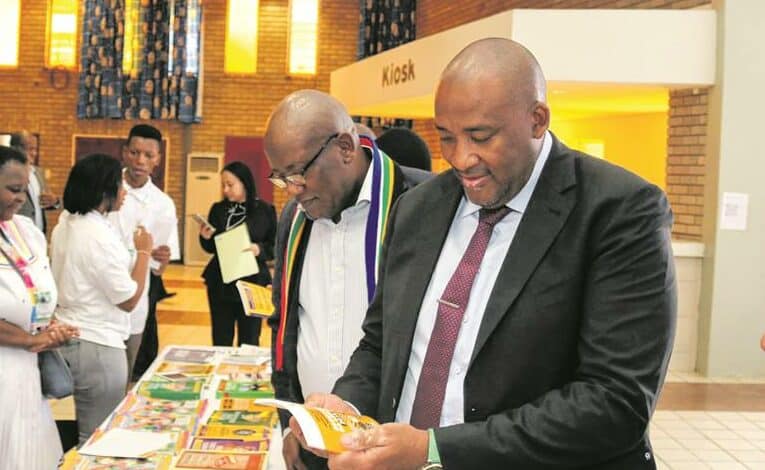
LIMPOPO – Sport, Arts and Culture Minister Gayton McKenzie slammed speakers who criticised the government for not promoting African Indigenous languages such as Tshivenda and Xitsonga at universities.
McKenzie was speaking during International Translation Day at the University of Limpopo on Monday, September 30.
He said it is the responsibility of people who speak a certain language to promote their language. “I walked around the university today and I did not see even one sign written in Tshivenda or any other of the languages that are spoken in the province, I only saw English.
“So, I’m turning your criticism around by criticising you for not promoting your languages. Teach us how you want to be treated, if you want your language to be prevalent, you need to promote it,” he said.
The Minister also said that language starts at home, not with the government.
“At home, you promote your mother tongue. Some parents say their children don’t know how to speak vernacular languages and they are blaming teachers for that. It is your responsibility to teach your children your language, that is how we preserve our heritage,” he said.
He added that the notion that speaking good English is a measure of success should be discounted.
The event was organised by the Pan South African Language Board (PanSALB), an organisation promoting multilingualism and protecting language rights in South Africa.
PanSALB CEO Lance Schultz said the event promoted linguistic diversity and multilingualism by advocating for the use of translation and interpreting services.
It aims to pay tribute to the work of translators, terminologists, interpreters, and language practitioners who break down language barriers and allow great literature to be enjoyed far more widely.
Guests included Sports, Arts and Culture MEC Funani Maseko, Education MEC Mavhungu Lerule-Ramakhanya and Carltom Mukhwevho from the United Nations.