Phalaborwa water crisis worsens amid inaction
Residents face worsening water shortages as ageing infrastructure, burst pipes, and lack of municipal response leave many without running water for weeks.
PHALABORWA – The ongoing water crisis in Phalaborwa shows little sign of improvement, as many residents continue to endure prolonged periods without running water.
In some areas, residents not only face dry taps and low water pressure but are also frustrated by the Ba-Phalaborwa Municipality’s failure to respond to reports of leaking and burst pipes.
According to DA Cllr Sybrandt de Beer, residents have been reporting pipe leaks daily for over 60 days, yet no meaningful action has been taken.
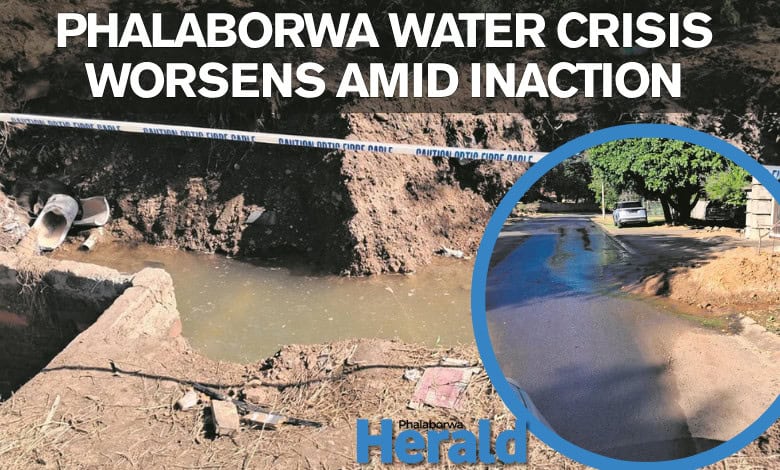
Water from these unattended bursts continues to flow freely from private properties into the streets.
One particularly severe leak near Riaan Outfitters in the CBD has created a stream of water running down the road, resembling a river.
Several streets have been affected by long-standing leaks, including 4 Euphorbia 4, 19 Knoppiesdoring Street, 70 Grosvenor Street, 35 Starlin Street, 185 Bataleur Street, 59 and 71 Jansen Crescent, as well as the corner of Gelderland and Woyer streets.
Despite daily complaints to the municipality’s customer care centre, the issues remain unresolved.
De Beer stated that the matter was also brought to the attention of Matlapula Mphachoe, the director of technical services, who he believes is making an effort to assist. However, he emphasised that the technical services staff themselves are nowhere to be found.
De Beer identified the lack of an emergency response team as a critical challenge.
The municipality, he said, currently has no provision for handling urgent service delivery issues, such as water, sewage, or electricity faults, after hours or over weekends.
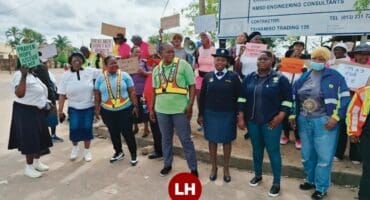
In response, he has initiated a petition calling for the establishment of emergency services to address these essential needs. He plans to present the petition to speaker Oliver Mabunda in the coming days.
The councillor also pointed to ageing infrastructure as a major contributor to Phalaborwa’s persistent water problems.
Reflecting on his own long-term residency in the town, he noted that many of the streets and water systems have remained unchanged for decades.
“I came to Phalaborwa 44 years ago, and most of the streets and the pipes underneath it were already in place. That means the infrastructure we rely on today has been around for over 65 years. It’s outdated and unable to support the demands of our growing population,” he said.