Chaos in Giyani as taxis battle GNT’s comeback
A transport war brews in Giyani as taxi drivers and GNT bus services battle for control, leaving commuters frustrated.

LIMPOPO – A long-running dispute between taxi operators and the Great North Transport (GNT) bus service in Giyani continues to disrupt public transport, affecting the communities of Dingamanzi, Shimange, and Silawa. Despite multiple mediation efforts, tensions remain high.
Bus return sparks tension
The conflict reignited after the return of the GNT bus service, which had been absent for nearly five years.
The service was suspended around 2020 or 2021 following an accident involving one of its buses. The bus was never replaced, and taxi operators took over the route entirely.
Now that the bus has resumed operations, the Khomanani Taxi Association has opposed its return, arguing that it threatens their income.
Many operators are still paying off vehicle instalments and claim the bus lacks a valid operating permit.
Residents demand fair transport
“It’s their taxis that don’t have permits; they’re just making excuses.”
Residents from the affected villages, frustrated with the higher taxi fares and lack of transport options, staged protests. They blocked access roads and insisted that neither the bus nor taxis operate until GNT, seen as a more affordable and reliable option, was allowed to run.
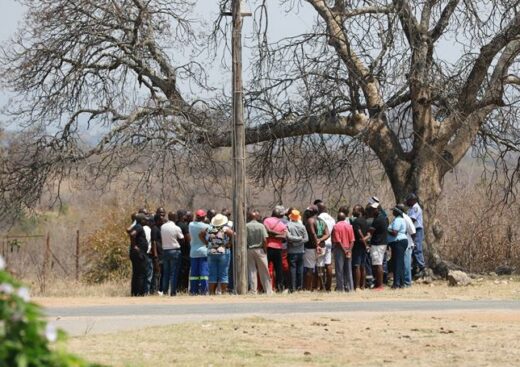
In response, Giyani Police Station commander Brig Solomon Serakwana organised a community meeting in Dingamanzi. The gathering was tense, especially when taxi owner Howard Mashaba arrived with armed bouncers wielding AK-47s, visibly displaying them in front of police and media.
Mashaba initially refused to engage with the broader community, opting instead for a private meeting with selected representatives. This smaller meeting, held nearby, included Serakwana, GNT CEO Ntsewa Mokobane, Department of Transport officials, and community delegates. It lasted over two hours.

Taxi representatives stood firm, repeating claims that GNT lacked the necessary permits. It was agreed that both parties would present proof of their permits to the Department of Transport, with Serakwana mediating the process.
“We will present proof of permits today so that the bus can resume operations soon,” said Mokobane. However, many residents were unconvinced.
“It’s their taxis that don’t have permits; they’re just making excuses,” one commented.
Roads blocked, commuters stranded
“People were stranded in town.”
Those doubts appeared justified the next day when taxi operators again blocked access roads, using automatic weapons to stop commuters from boarding the bus.
“People were stranded in town,” said community representative Eunice Maluleke.
In retaliation, residents blocked the R81 road, demanding that the Department of Transport verify operating permits publicly. Officials arrived on Thursday for the verification, but taxi representatives failed to attend. In response, residents closed internal roads to prevent taxi operations until the matter is resolved.
Another meeting has been scheduled for next week, involving various stakeholders to address the ongoing conflict.
For many residents, the dispute is not just about transport, it is a financial strain.
“The taxis charge R24 to town, while the bus costs only R13,” said Dingamanzi resident Gail Machete.