WATCH: Bittersweet moments as PNHF rescues hyenas caught in snares
PNHF responded to two hyena emergencies in Phalaborwa, saving one and losing another, highlighting the danger of snares in the area.
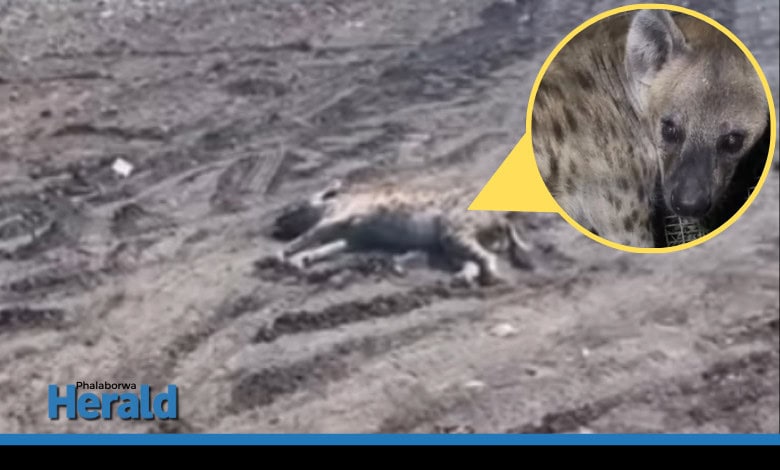
PHALABORWA – The Phalaborwa Natural Heritage Foundation (PNHF) has shared an emotional account of two rescue missions involving adult male spotted hyenas from the same clan, exposing the ongoing threat posed by snares in the region.
Distress call leads PNHF to injured hyena
According to a post on PNHF’s Facebook page, the first call came after residents reported a hyena struggling to move and dragging its back legs.
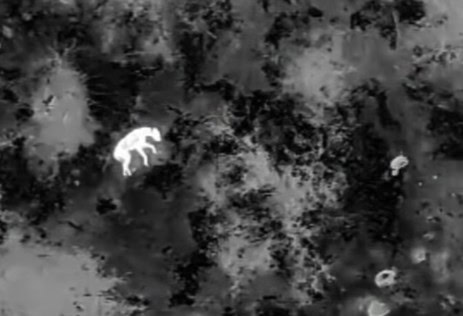
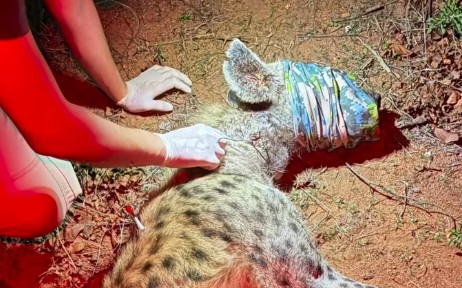
PNHF teams immediately responded and spent several hours searching before locating the animal after 22:00, assisted by a thermal drone. Veterinarian Dr Jacob Dirsuwei successfully darted him so they could assess his injuries.
PNHF said the hyena had a wire snare around its neck and multiple wounds on its neck and back.
Snare injuries and infection cause paralysis
The snare appeared to have caused swelling and an infection, which affected his spine and led to paralysis in his hind limbs.
“Due to his back legs not working, the hyena started to chew on his own feet. Pieces of bone were falling out of his feet,” the post reads.
PNHF explained that even if the paralysis could have been reversed, his injuries were too extensive for long-term survival, and the team decided to euthanise the hyena.
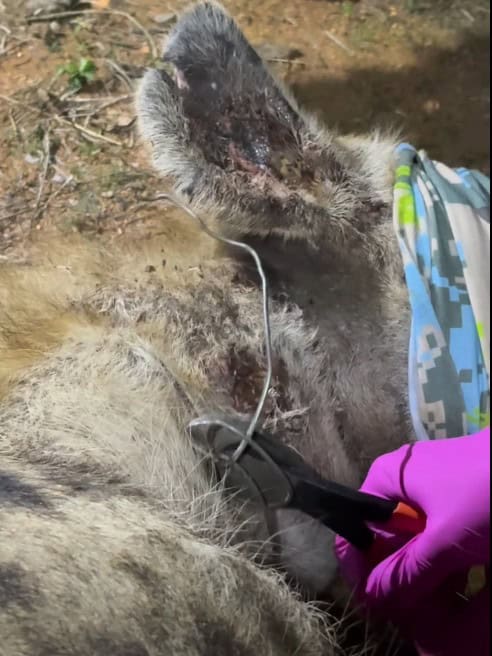
Watch the video here, but please note that it contains graphic footage.
Second hyena found in critical, comatose state
The team later faced a second emergency. Another male hyena, from the same clan, was found in distress.
This animal also had a snare around his neck, but his condition was complicated by suspected poisoning.
“His body temperature was over 42 degrees, and he was unresponsive when Dr Jacob Dirsuwei immobilised him,” reads the second post.
Intensive cooling and treatment continue for hours
Emergency treatment began quickly. The hyena required multiple drips, medication and continuous cooling.
Teams poured water over him every 15 minutes in the heat, using nearly 60 litres throughout the day.
PNHF responded to two hyena emergencies in Phalaborwa. This is the second hyena that, despite challenges, has been given a second chance.
📽️: Phalaborwa Natural Heritage Foundation pic.twitter.com/FTcel648y4
— LetabaHerald (@HeraldLetaba) December 1, 2025
For hours, there were no visible signs of improvement, but the hyena continued to breathe steadily.
“We continued monitoring, and in the late afternoon, he showed signs of reflexes returning. Blinking, ears moving a little bit, swallowing.”
Hyena stabilises and is released
“After a long day of watching the hyena, he finally stood up in the cage at about 23:00 that night. He recovered enough that the vet was happy to release him at around 01:00 the next morning. We were all exhausted, but extremely happy and relieved,” concludes the post.
While one hyena could not be saved, the other has a fighting chance thanks to determined teamwork, veterinary expertise and hours of care under extreme conditions.