Tzaneen water crisis a ‘man-made failure’, not flood damage
Tzaneen councillor says five days without water is a man-made crisis of mismanagement, not a result of recent flooding.
TZANEEN – While the Mopani District was recently declared a disaster area following heavy rains and flooding, residents of Tzaneen are facing a separate crisis: five days without running water.
A crisis of mismanagement
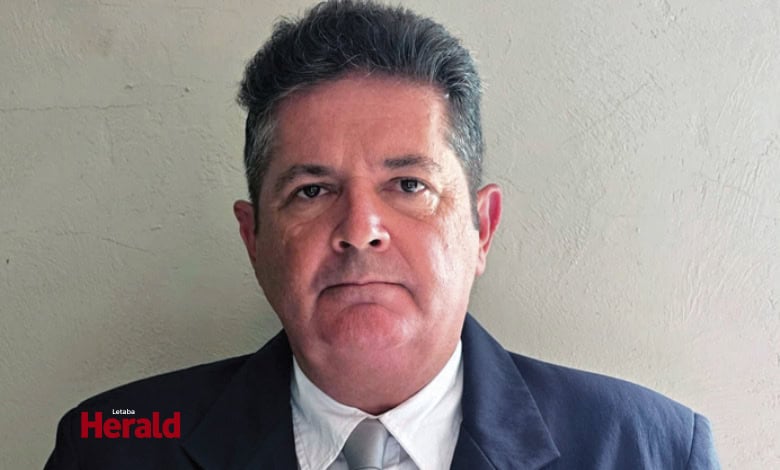
Greater Tzaneen Municipality (GTM) FF Plus Cllr Wayne Kurten says the water shortages are the result of years of mismanagement, not the floods.
“Persistent power outages, failing backup systems, and a massive leak on the main pipeline from the reservoir are causing thousands of litres of drinking water to be lost daily,” Kurten said. “Families are left without a drop in their taps while the municipality fails to act.”
Kurten described the situation as unacceptable, pointing out that Tzaneen residents have been subjected to so-called water shedding, scheduled interruptions of water supply between 21:00 and 04:00, since 2020.
“This has become the norm in Tzaneen. Residents are deliberately denied a basic service because the municipality lacks the managerial capacity to maintain a sustainable water network,” he said.
Residents get no answers as pipes fail
According to Kurten, the crisis is compounded by a lack of emergency planning and communication.
“There is no official feedback on estimated repair times, no reliable deployment of water tankers, and attempts to engage with the relevant department have fallen on deaf ears. Directors and managers give evasive responses while residents struggle without water,” he said.
The councillor confirmed that an official letter had been sent to municipal manager Donald Mhangwana, urgently requesting a meeting to address the service delivery failures, including the main pipeline leak, and to implement a workable plan.
“The municipality has had years to maintain infrastructure and prove it is fit to govern, but it has failed,” Kurten said. “This is not a natural disaster, it is a man-made one, jeopardising residents’ health, dignity, and daily lives.”
He also warned that repairing ageing asbestos-cement (AC) pipes is an ongoing challenge. AC pipes are brittle and prone to cracking under pressure, and a single visible break is often only part of the problem.
“Even after repairs, micro-cracks elsewhere in the pipe can grow, leading to repeated failures,” Kurten explained. “This is the reality of ageing infrastructure catching up with us.”
Residents have expressed frustration over the lack of a reliable water supply, saying that daily life has been severely disrupted. Many are forced to rely on bottled water or communal taps, while families struggle to maintain basic hygiene and cook meals.
GTM spokesperson Vutivi Makhubele said the water issue has been resolved, attributing the disruption to problems at the reservoirs.