Giyani audit chair warns poor revenue collection risks downgrade
GGM’s audit committee has warned that weak revenue collection, rising debt and overspending could lead to a downgrade if not addressed.
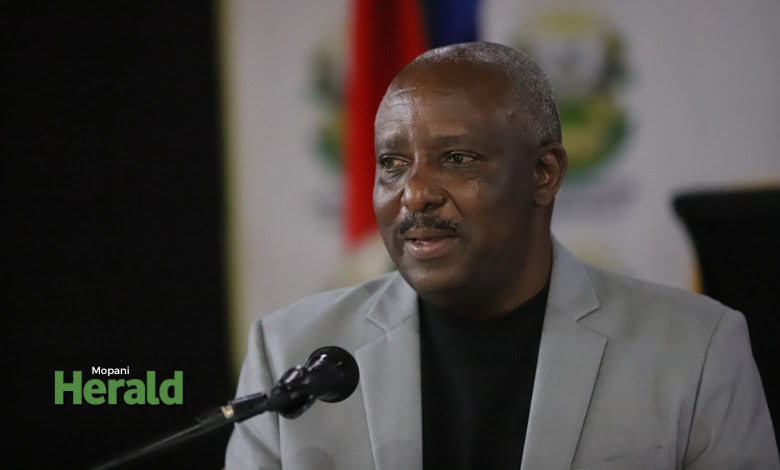
LIMPOPO – The Greater Giyani Municipality (GGM) audit committee chairperson, Kenneth Mhlongo, has warned that the under-collection of municipal revenue poses a serious risk to the municipality and could lead to a downgrade if the situation does not improve.
Mhlongo was speaking during a full council sitting held on Thursday at the Giyani Community Hall, where he presented a comprehensive report on the municipality’s performance. He highlighted poor revenue collection as one of the major challenges facing the municipality.
“Our revenue collection against the budget is very low. We are currently sitting at 10.42%, meaning we have collected R10.7m against a budget of R102m,” he said. “When measured against billing, our year-to-date collection is R10.7m against a target of R36.7m. If this situation persists, it could put the municipality at risk of being downgraded.”
Mhlongo further pointed to the escalation of service charges as another concern. He said outstanding service charges increased from R683m in the fourth quarter of the 2024/25 financial year to R789m in the first quarter of 2025/26.
“This represents an increase of R105m from the fourth quarter of 2024/25 to the first quarter of 2025/26, which is a negative development,” he said.
GGM currently falls under category B. A downgrade could result in the municipality losing some of its autonomy, with certain functions being taken over by external authorities. In simple terms, the municipality could be placed under administration if the situation continues.
Mhlongo also raised concerns about overspending on overtime, saying the municipality needs to urgently review its overtime policy. “The municipality’s overtime expenditure currently stands at R2.1m, whereas it should have been R1.4m,” he said. “This is another area that needs attention to ensure overtime expenditure is properly managed.”
He explained that municipal policy allows employees to earn overtime of no more than 30% of their gross income. As a result, the audit committee has recommended changes to the approval process. “We have recommended that overtime approval be tightened so that individual managers confirm that overtime claims do not exceed 30% of an employee’s gross salary. Managers must also strictly monitor the type of work claimed for overtime to ensure that it is justified,” he said.
Meanwhile, Cllr Tiyani Nkuna questioned the existence of the 30% overtime allowance, arguing that most workers do not benefit from it.
“How do you explain a situation where someone receives an extra 30% while many employees are not receiving any overtime,” he said.
Zitha said the matter would be addressed by senior management. “The head of finance and the head of corporate services will deliberate on it so that the council can decide on it,” she said.