Mopani mayor vows action after N’wamanungu Dam water protest
Mopani District Mayor Pule Shayi engages with communities living around N'wamanungu Dam after residents protested over water shortages.
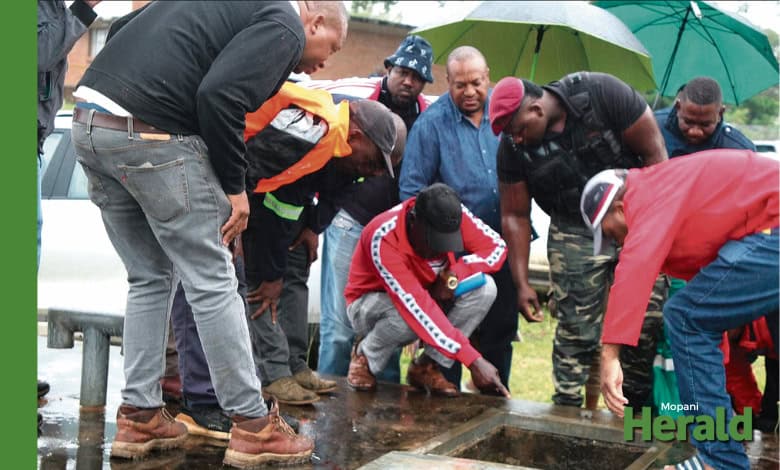
LIMPOPO – Mopani District Municipality has moved to address water shortages affecting four communities living around N’wamanungu Dam, formerly known as Middle Letaba Dam, following a recent protest in which residents voiced their frustrations over a lack of access to water.
During the protest, community members questioned why they continue to experience water shortages despite the dam being full.
They further alleged that years of neglect by successive administrations since 1994 have led to the deterioration of critical water infrastructure, leaving systems vandalised and largely dysfunctional.
Mayor visits site to assess situation
In response, Mopani District Mayor Pule Shayi, accompanied by Greater Giyani Mayor Thandi Zitha, visited the dam to engage directly with the affected communities and assess the situation on the ground.
Mopani District spokesperson Odas Ngobeni confirmed the visit.
“The executive mayor was meeting the community in that area regarding the memorandum they recently submitted about the lack of water. In the memorandum, they indicated that they did not have water despite the dam being full, so we had to go there and assess the situation in order to determine how best to address it,” said Ngobeni.
He explained that the municipality has introduced a structured process to better understand the extent of the problem.
“We provided them with a framework in which they can specify the challenges in areas where communities do not receive water, so that we understand the scope of work and the cost implications.
“In areas where challenges can be addressed within the current budget, we will attend to them immediately. They will be working on that today and tomorrow and will then report back to us,” he said.
Community pinpoint exact challenges
Community leader Hlayisani Nkhwashu said residents had already identified some of the urgent interventions needed to restore the water supply.
“We have already shown them most of what needs to be done for us to receive water immediately, including fixing the pumps and ensuring that the plant operates at full capacity so that water can reach areas that were previously not supplied,” he said.
Nkhwashu added that the community had also proposed a practical approach to identifying faults within the system.
“We also asked the municipality to identify a day on which they will release water at full capacity so that they can detect any leaks and repair them,” he said.
Plant to be upgraded
Looking beyond immediate solutions, Nkhwashu said the municipality had made a commitment to improve long-term capacity.
“In the medium term, the municipality promised to upgrade the plant from 15 megalitres to 25 megalitres by 31 December this year,” he said.
Residents remain cautiously optimistic
While the engagement between the municipality and residents has been welcomed, community members remain cautiously optimistic, hoping that the commitments made will translate into meaningful improvements in water supply.
For many households in the area, access to reliable water remains a daily struggle, and the success of the municipality’s intervention will be measured by how quickly and effectively these longstanding challenges are resolved.