Tzaneen farmers say poaching costs them millions
Some Tzaneen farmers say they do not report poaching because no arrests follow, but police say every case helps them identify suspects. More patrols are planned.
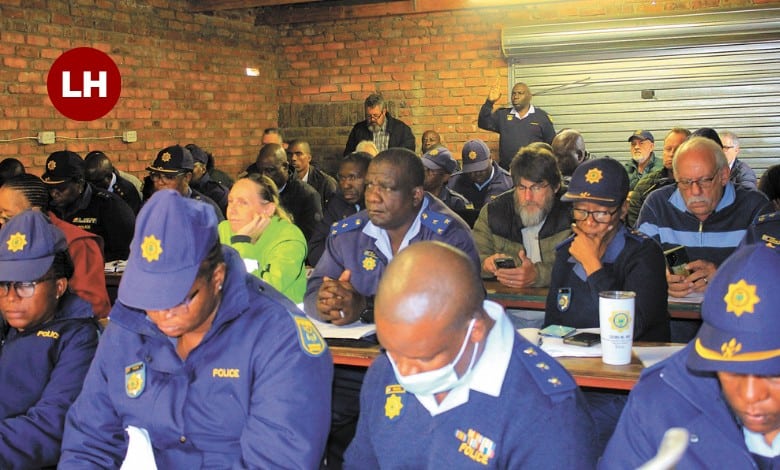
TZANEEN – Tzaneen livestock farmers say poaching is costing them millions of rand, with some reporting significant losses from snaring and theft.
The concerns were raised during a rural safety meeting held recently at the Tzaneen Showground, attended by members of the police, farmers and other stakeholders.
Farmer says arrests are lacking
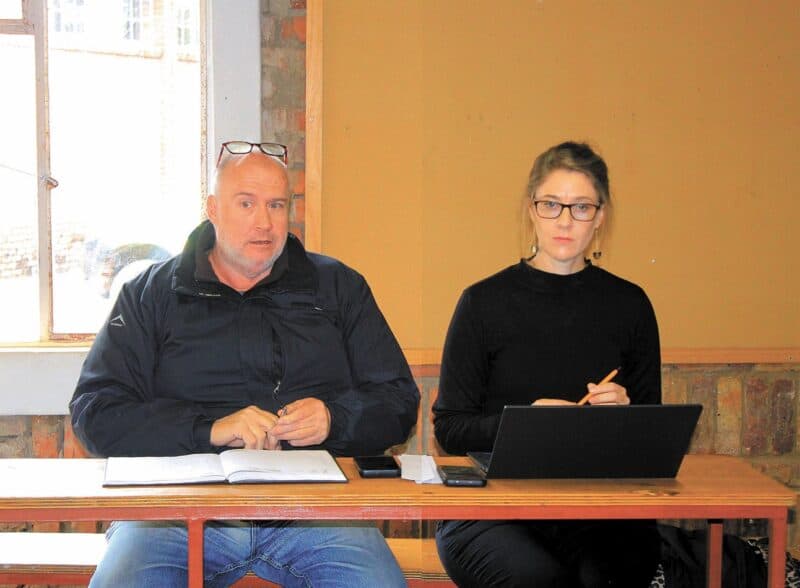
Mieliekloof farmer Dewald van der Walt told the Herald that he had lost about R1.5m in livestock over the past three years, with much of the loss attributed to poachers setting snares on his farm. Van der Walt said he believed more needed to be done to combat poaching and criticised the lack of arrests.
“Everyone blames foreigners, but that is not true. It is not only foreigners who are poaching and stealing infrastructure; locals are also involved. On the side of the road and at other markets, you will find people selling game meat which I know is mine, but because there is no proof and no one has been arrested, it is difficult to prove,” he said.
Meeting aims to unite farmers and police
The meeting was organised by Mopani Rural Safety and Agri Limpopo to address poaching, infrastructure theft and damage on farms, and to discuss ways for farmers, police and other stakeholders to work together.
The importance of reporting incidents was also discussed. It emerged that only five cases of farm poaching had been reported since the beginning of the year.
Farmers hold back from reporting
Police representatives urged farmers to report every incident, saying that unreported cases make it difficult to establish the extent of the problem and identify suspects.
Some farmers said they were reluctant to report incidents because they believed no arrests would follow.
Police said, however, that reports could help build a database of incidents and evidence from different crime scenes, which could eventually assist in identifying perpetrators.
Patrols and partnerships planned
Mopani cluster head Brigadier Mary Mashila said police were ready to work with farmers and farm-watch groups through increased patrols and collaboration.
The meeting concluded with an agreement to strengthen cooperation between farmers, police and farm-watch structures in addressing rural crime.